






Your Pocket Weather Expert
Forget relying on generic weather forecasts. The game has changed with official, hyperlocal apps from the Indian Meteorological Department (IMD). The 'MAUSAM' app provides current weather, 7-day forecasts, and district-level warnings for severe weather events.
For those heading to areas prone to thunderstorms, the 'Damini' app gives real-time lightning alerts, pinpointing strikes up to a 40km radius. This isn't just about knowing if you need an umbrella; it's about making crucial safety decisions, like whether to proceed with a hike or stay indoors. Downloading these free apps before you go is the single smartest move for any monsoon traveller.
Tune into National Safety Alerts
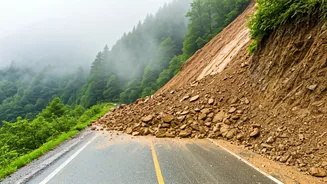
Beyond daily weather, understanding potential large-scale disruptions is key. The National Disaster Management Authority (NDMA) issues timely alerts and guidelines for events like cyclones, floods, and landslides. Following their social media handles or checking their website, especially when travelling to coastal or hilly regions, provides a crucial layer of security. Many state disaster management authorities also have their own alert systems, often integrated with local news channels. A quick search for the disaster management portal of your destination state can offer invaluable information on road closures, high-risk zones, and emergency contact numbers.
Choose Your Monsoon Paradise Wisely
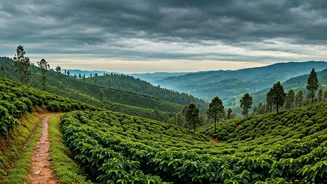
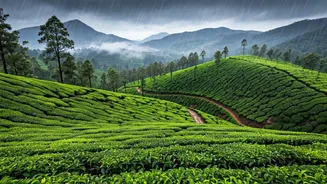
Not all destinations are created equal during the monsoon. While the rain-washed Western Ghats in Kerala and Karnataka are breathtaking, they can also be prone to landslides. Similarly, hill stations in the Himalayas, like those in Himachal Pradesh and Uttarakhand, require extreme caution. Instead, consider destinations that thrive in the rain. Places like the Orchha-Khajuraho belt in Madhya Pradesh, the less-crowded beaches of South Goa, or the lake city of Udaipur in Rajasthan offer stunning beauty with generally better infrastructure and lower risks. Always do a last-minute check on local conditions. A quick call to your hotel or a local travel agent can provide on-the-ground truths that no website can.
Pack Smart, Travel Light
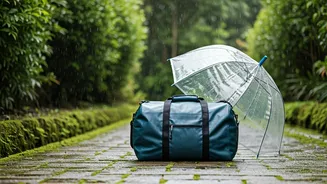
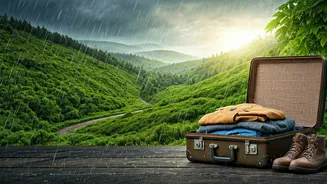
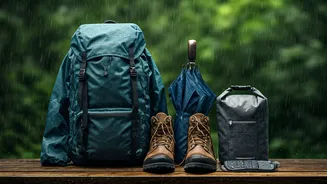
Monsoon packing is an art. The goal is to stay dry and comfortable without hauling a massive suitcase. The key is quick-drying fabrics. Swap cotton for synthetic blends like polyester or nylon for your clothes. Pack at least two pairs of footwear: a sturdy pair of waterproof floaters or sandals for walking around and another pair to wear when the first gets wet. A high-quality, lightweight waterproof jacket is non-negotiable. Don't forget to protect your electronics; invest in waterproof pouches for your phone and a dry bag for your camera, wallet, and other essentials. Rolling your clothes instead of folding them not only saves space but can also help them stay less wrinkled.
The Road Trip Reality Check
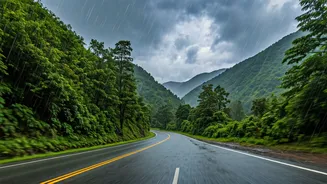
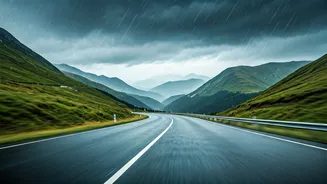
A monsoon road trip sounds romantic, but it demands serious planning. Before you set off, check the condition of your car's tyres, wipers, and brakes. Use apps like Google Maps or Waze, but keep an eye on the real-time traffic and road closure updates, which can be frequent. Many state transport and police websites now post advisories on highway conditions. It's also wise to avoid driving after dark, as visibility can be poor and unmarked potholes filled with water can become serious hazards. Plan for a slower journey, build in buffer time, and always let someone know your route and expected arrival time.