






Embrace the Standing Desk
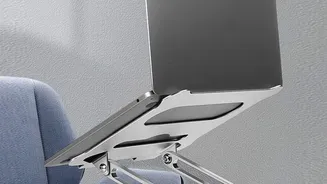
One of the most effective ways to break up long periods of sitting is to stop sitting altogether—at least for part of the day. An adjustable standing desk allows you to easily transition between sitting and standing. Standing while you work can improve
posture, increase energy levels, and even burn more calories than sitting. If a full standing desk isn't an option, you can create a makeshift one by stacking sturdy books or a box on your existing desk to elevate your laptop. To make standing more comfortable, consider using an anti-fatigue mat to reduce pressure on your back and legs.
Create Different 'Work Zones'
Your home isn't a traditional office, so don't treat it like one. Designate different 'zones' for different tasks to encourage movement. Your main desk might be for focused work, but you could have a comfortable armchair for reading reports or a kitchen counter for answering emails. This strategy, sometimes called 'home zoning', creates mental and physical separation between tasks. Moving between these areas forces you to get up and change your posture, preventing you from staying static for too long. The simple act of walking to another room can make a significant difference.
Schedule Movement Breaks
Movement won't happen unless you make it a priority. Set a recurring alarm for every 30 to 60 minutes to remind yourself to get up. During these breaks, you don’t need to run a marathon. Simply stand up, stretch, or walk to the kitchen for a glass of water. Experts suggest that these short, five-minute breaks are essential maintenance for your muscles and blood flow. You can also treat exercise like a non-negotiable meeting by blocking out time in your calendar for a walk or a quick workout.
Take Your Calls on the Move
Not every meeting requires you to be on camera. For audio-only calls, put on a pair of headphones and walk around your home or even your garden. Pacing while you talk is a great way to accumulate steps without even thinking about it. Many people find they think more clearly and creatively while in motion, turning a simple phone call into a productive, low-impact activity. This simple habit helps break up long, sedentary periods and keeps your body from stiffening up.
Incorporate Simple Stretches
You don't need a yoga mat or a gym membership to release tension. Simple desk stretches can work wonders for stiff joints and sore muscles. Try gentle neck rolls, shoulder shrugs, and seated spinal twists right from your chair. Stretching your chest helps counteract the slouching that often happens when we're focused on a screen. To relieve wrist and forearm strain from typing, extend your arm and gently pull your fingers back toward your body. Performing these small movements regularly prevents stiffness and improves circulation.
Optimize Your Main Workstation
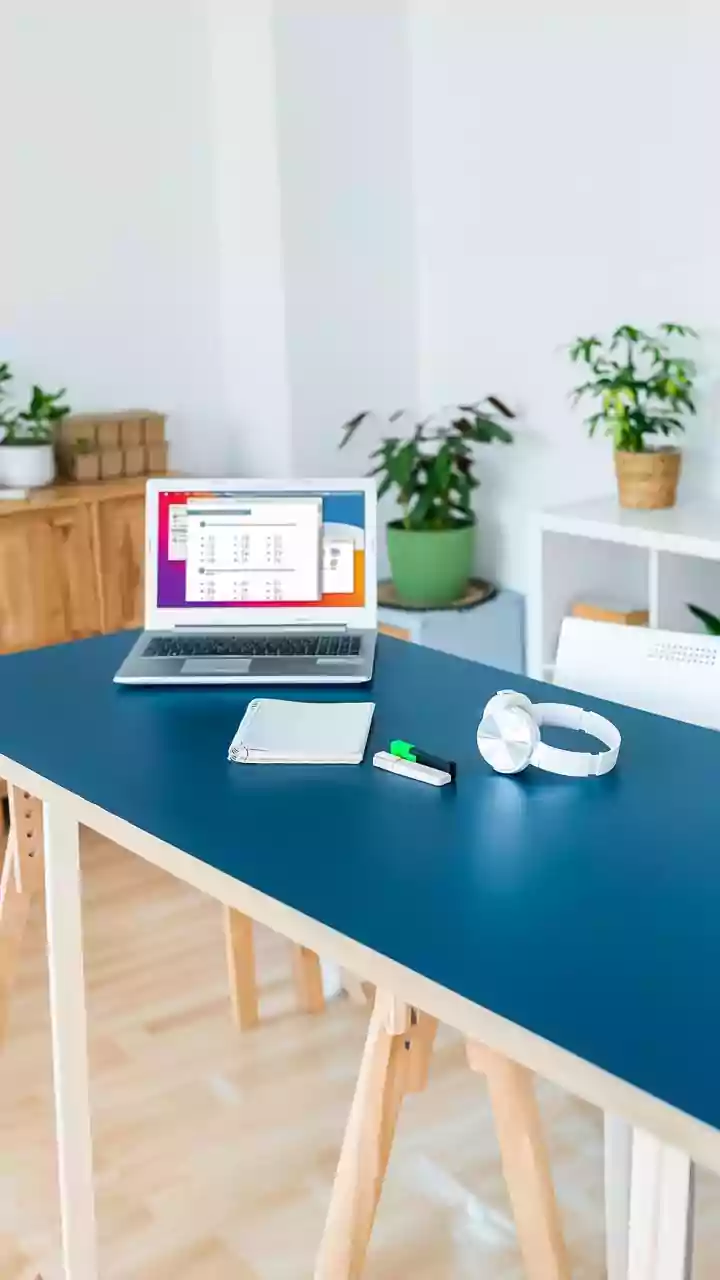
While changing positions is key, your primary seated setup should still be as ergonomic as possible. Adjust your chair so your feet rest flat on the floor with your knees at a 90-degree angle. Your monitor should be at eye level and about an arm's length away to prevent neck strain. If your chair lacks lumbar support, a rolled-up towel or a small cushion can help maintain the natural curve of your lower back. Ensuring your main base is correctly configured reduces strain when you are sitting.