




Why Grind Size is Everything for Espresso
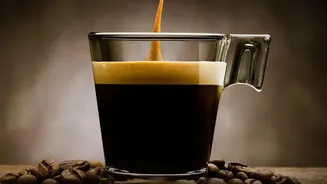
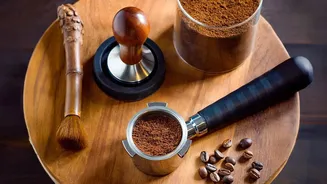
Espresso is a game of resistance. Hot, pressurised water is forced through a tightly packed puck of coffee grounds in about 25 to 30 seconds. The size of the coffee particles determines how much resistance the water meets. If the grind is too coarse,
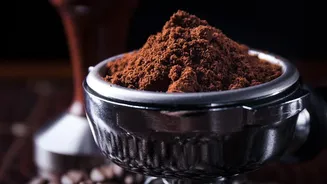
water rushes through too quickly, leading to a weak, sour, and under-extracted shot. If it’s too fine, the water struggles to get through, resulting in a long, bitter, and over-extracted shot. The goal is a grind that feels like fine sand or powdered sugar, allowing for a balanced extraction where sweetness, acidity, and bitterness are in harmony. A quality burr grinder is essential for this, as blade grinders create an inconsistent mix of dust and chunks that prevents an even extraction.
Understanding Your Coffee Beans
The single most important factor that dictates your grind setting is the coffee bean itself, specifically its roast level. A coffee bean's physical structure changes dramatically during roasting. Light roasts are denser and less soluble, while dark roasts become more brittle, porous, and soluble. This means you cannot use the same grind setting for a light roast from Ethiopia as you would for a dark Italian-style roast and expect the same result. Each time you open a new bag of coffee, even if it's the same brand you always buy, you should be prepared to adjust your grinder. Bean freshness also plays a role; very fresh beans release more gas, which can resist water flow, often requiring a slightly different setting than beans that have rested for a week.
The Light Roast Challenge
Light roast beans are roasted for a shorter time, leaving them dense, hard, and less soluble. Think of it as trying to extract flavour from a tightly locked treasure chest. To get a balanced extraction, you need to increase the surface area of the coffee grounds, which means grinding finer. This finer grind creates the necessary resistance to slow the water down, giving it enough contact time to pull out the delicate floral and fruity notes characteristic of many light roasts. If you use a grind that’s too coarse, you’ll get a fast, watery shot that tastes overwhelmingly sour. Light roasts may also benefit from a slightly higher water temperature to aid in extraction.
Mastering the Dark Roast
Dark roast beans are roasted longer, making them more porous, brittle, and oily. Their cellular structure is more broken down, meaning their flavours are highly soluble and easy to extract. Because they give up their flavours so readily, you need to use a slightly coarser grind compared to light and medium roasts. Using the same fine setting as a light roast would create too much resistance, slowing the water flow and massively over-extracting the coffee, resulting in a harsh, ashy, and unpleasantly bitter shot. By going a touch coarser, you allow the water to flow through a bit more quickly, preventing it from pulling out those unwanted bitter compounds while still capturing the rich, chocolatey, and caramel notes.
The Process of 'Dialing In'
‘Dialing in’ is the process of finding the perfect grind size for a specific bean on your specific grinder. Start with a consistent recipe, such as 18 grams of coffee in your portafilter, aiming for about 36 grams of liquid espresso in the cup. Time the shot from the moment you start the pump. A good starting target is 25-35 seconds. Now, taste. If the shot was fast (under 25 seconds) and tastes sour, your grind is too coarse. Adjust the grinder to a finer setting. If the shot was slow (over 35 seconds) and tastes bitter, your grind is too fine. Adjust it to a coarser setting. The key is to only change one variable at a time. Keep the dose of coffee consistent and only tweak the grind in small increments until the espresso tastes balanced and delicious to you.