





The Desert's Green Secret: Ladakh & Spiti
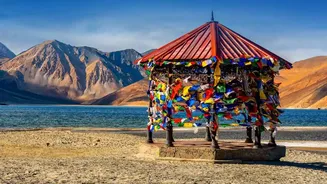
The most dramatic answer to this travel puzzle lies in the high-altitude deserts of the Himalayas. Places like Ladakh and Spiti Valley are located in a rain-shadow region, meaning the towering mountains block most monsoon clouds from reaching them. While
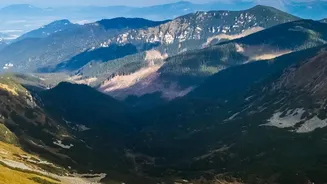
the wider landscape is a stark, beautiful desert, the river valleys are a world apart. In Ladakh, the Nubra Valley, once known as Ldumra or the 'valley of flowers', is a startlingly green oasis. Fed by the glacial melt of the Shayok and Nubra rivers, its floor is a patchwork of fertile fields, organic farms, and groves of sea buckthorn. The contrast between the lush valley and the barren, snow-dusted peaks surrounding it is breathtaking. Similarly, Himachal's Spiti Valley is a cold desert freckled with vibrant green patches around its villages and monasteries. Here, hardy crops like barley and peas paint the landscape in shades of green during the summer months, creating surreal views against the backdrop of ancient Tibetan Buddhist culture. The best part? While the rest of India experiences peak monsoon, July and August are the sunniest, driest, and most accessible months here.
Where Rain Creates a Masterpiece: Valley of Flowers
Instead of avoiding the rain, this destination embraces it to create one of India's most spectacular natural events. The Valley of Flowers National Park in Uttarakhand is a UNESCO World Heritage Site that truly comes alive during the monsoon. From July to August, its high-altitude meadows transform into a living carpet of more than 600 species of alpine flowers, including the mythical Brahma Kamal and the elusive Blue Poppy. The monsoon rains are the very lifeblood of this floral spectacle. While you should expect mist and afternoon showers, they only add to the mystical atmosphere of the valley. For travellers who want the absolute lushest views and are willing to pack a raincoat, there is no substitute. The peak blooming season is from mid-July to mid-August. If you prefer clearer skies for better mountain views and fewer crowds, early September is an excellent alternative, when the flowers are beginning to fade but the landscape's beauty endures.
The Afterglow of the Rains: Wayanad & Coorg
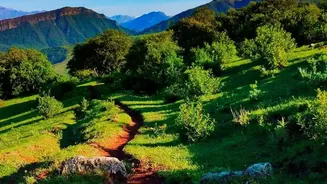
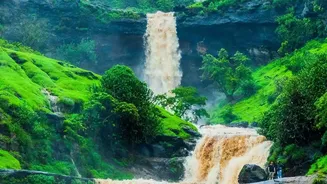
Another clever way to get lush views with less rain is all about timing. The Western Ghats destinations of Coorg in Karnataka and Wayanad in Kerala are famous for their intense monsoon seasons. But the period immediately following the rains, from October to November, is arguably when they are at their most beautiful. During these post-monsoon months, the landscape retains the vibrant, emerald green of the rainy season, the waterfalls are still full and powerful, and the air is crisp and clean. You can explore mist-covered coffee and spice plantations, enjoy trekking on trails that are no longer slippery, and watch the clouds drift through the valleys without the constant threat of a downpour. It’s the perfect compromise: you get all the scenic benefits of the monsoon season with the comfortable, clearer weather of winter, making it an ideal time for photography and outdoor activities.
The Ghats' Drier Side: Tamil Nadu
The Western Ghats create another geographical trick you can use. As the moisture-rich southwest monsoon winds climb the mountains from the west, they dump nearly all their rain on states like Kerala and coastal Karnataka. By the time the clouds pass over the peaks to the eastern side, they are significantly drier. This creates a 'rain shadow' in the western parts of Tamil Nadu. Regions like Pollachi and the foothills around Coimbatore receive far less rainfall than their counterparts just a few dozen kilometres to the west. Here, you won't find the dramatic rainforests of Kerala, but you will discover a unique landscape of rolling hills, pastoral grasslands, and scrub forests that offer a different, more subtle kind of green beauty. It's an excellent choice for those looking for a pleasant climate and lush countryside in the south without having to plan around a full-blown monsoon.