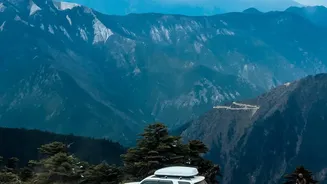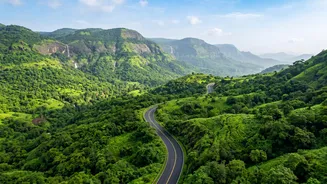

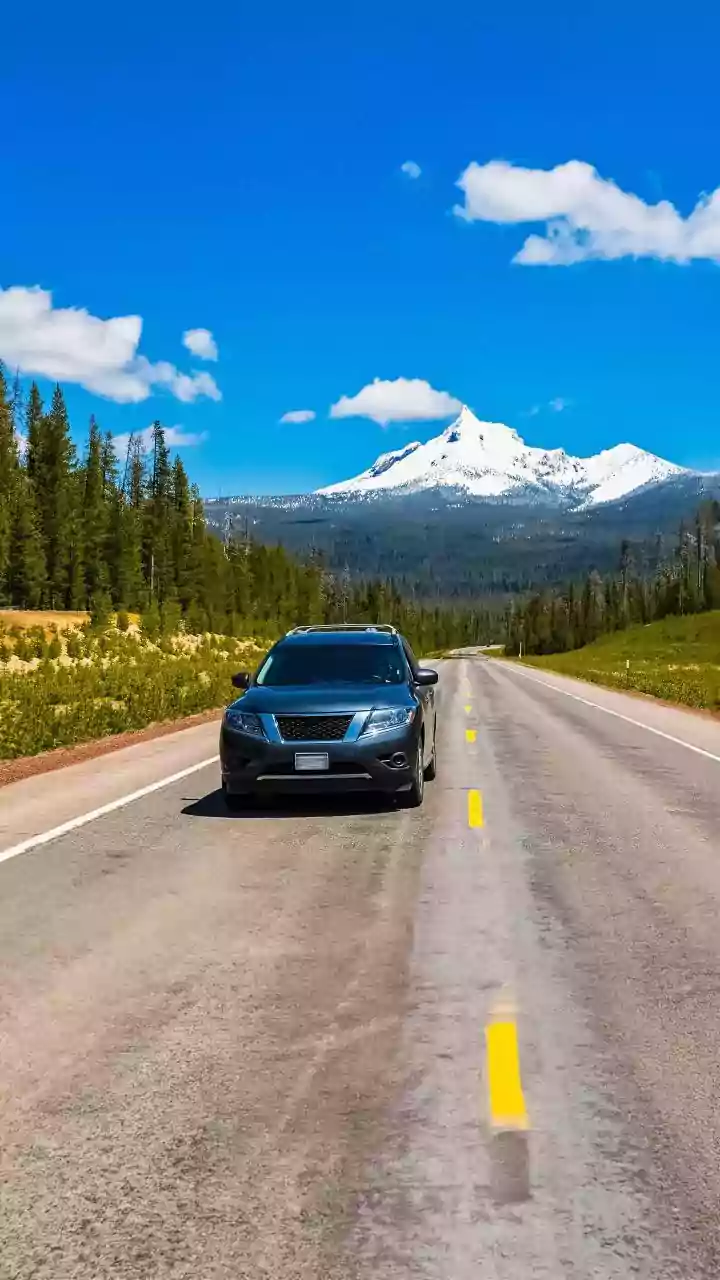


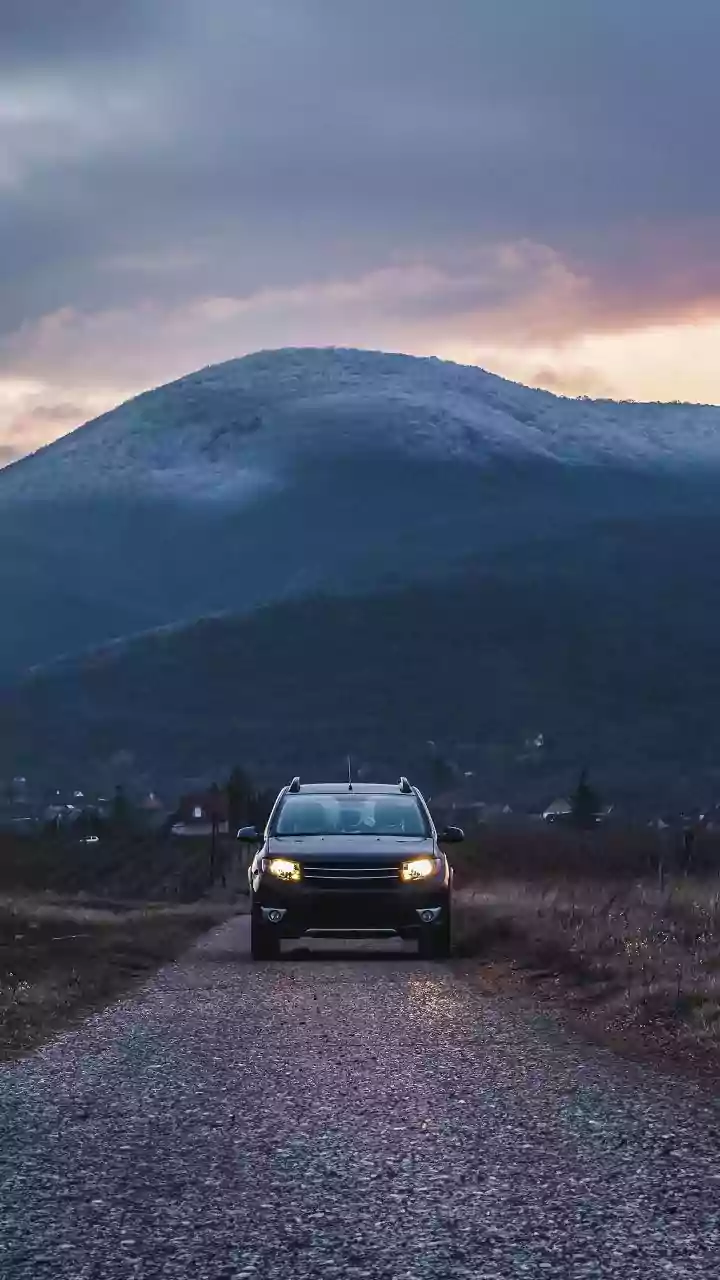

Prepare Your Vehicle Thoroughly
Before you even think of hitting the ghat roads, a comprehensive vehicle check is non-negotiable. Start with the most critical components: your brakes. Ensure they are in perfect working order. Next, inspect your tyres. They should have adequate tread
depth and be inflated to the correct pressure, including the spare. Hill driving puts immense strain on the engine, so check your engine oil, coolant, and other vital fluids to prevent overheating on steep climbs. Also, make sure your headlights, taillights, indicators, and especially your horn are functioning perfectly; you will be using them often.
Master Engine Braking
One of the most crucial skills for hill driving is using engine braking, particularly during descents. Instead of constantly riding the brake pedal, which can cause brakes to overheat and fail, shift to a lower gear. A good rule of thumb is to descend a slope in the same gear you would use to ascend it. For manual cars, this means shifting down to second or first gear. For automatics, use the 'L' (Low) or '2' setting. This technique uses the engine's resistance to control the car's speed, saving your brakes and giving you better control.
Know the Rules of the Road
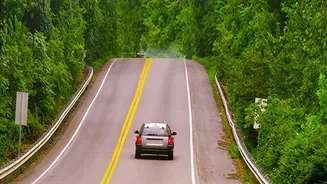
Hill roads have their own set of unwritten and written rules. The most important one is to give way to upcoming traffic. Vehicles climbing uphill have the right of way, as it is much harder for them to stop and regain momentum. Always stick to your lane, especially on blind curves, and never overtake unless you have a long, clear stretch of road ahead. Honk judiciously before sharp, blind turns to alert drivers coming from the opposite direction. At night, use a quick flash of your high beams for the same purpose.
Navigate Hairpin Bends with Caution
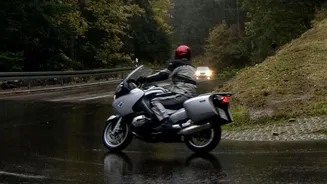
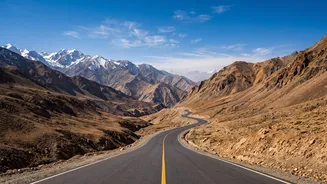
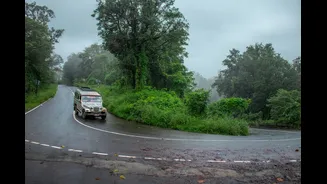
Hairpin bends are a signature feature of mountain roads and require a specific technique. Reduce your speed significantly before entering the turn, not during it. Honk to announce your presence. Try to take a wider line if your lane permits, positioning your car on the outside of your lane as you approach to get a better view around the bend. Be especially watchful for larger vehicles like buses and trucks, which may need to swing into your lane to make the turn. Accelerate gently only as you begin to exit the curve.
Pace Yourself and Your Car
Driving in the hills is mentally and physically taxing. Plan for regular breaks to stay fresh and alert. Your car needs breaks too. On long, steep ascents, your engine can get strained. Turning off the air conditioning can reduce the load on the engine and help prevent overheating. If you see the temperature gauge rising, find a safe spot to pull over and let the engine cool down. Don’t just stop to admire the view in the middle of a narrow road; use designated pull-off areas.
Pack an Emergency Kit
Mobile connectivity can be patchy or non-existent in remote mountain areas. Don’t rely solely on digital maps; carrying a physical map is a wise backup. Your emergency kit should include a well-stocked first-aid box, a basic toolkit, a tow rope, and a torch. It's also smart to pack extra water, non-perishable snacks, and warm clothing, as a breakdown or road blockage due to a landslide could leave you stranded for hours. Ensure you have a full tank of fuel before you start your ascent, as petrol pumps can be few and far between.