



The Enduring Shadow of Malnutrition
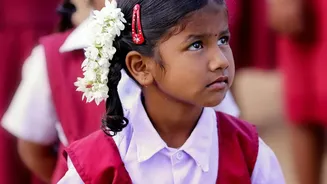
Despite economic growth, a significant portion of India's children remains undernourished. According to recent National Family Health Survey (NFHS) data, nearly a third of children under five are stunted (too short for their age) and a significant number
are underweight. The data reveals a persistent crisis that affects a child's physical growth, cognitive development, and future potential. While there has been progress in reducing stunting, the pace has been slow, and the problem remains a major public health challenge. This isn't just about hunger; it's about a widespread deficiency in essential nutrients, a phenomenon often called "hidden hunger".
A Strategic Shift from Calories to Quality
Historically, India's food security programs focused on ensuring citizens received enough calories, primarily through subsidized staples like rice and wheat. While crucial for staving off starvation, this approach inadvertently led to diets that were heavy on carbohydrates but lacking in essential proteins and micronutrients. Recognizing this gap, the government's nutrition policy has evolved. Initiatives like Mission Saksham Anganwadi and Poshan 2.0 represent this new thinking. The goal is no longer just food security, but nutrition security, ensuring that citizens, especially children and mothers, have access to diverse and balanced diets. This marks a critical move from simply filling stomachs to truly nourishing bodies.
Why Protein and Variety Are Game-Changers
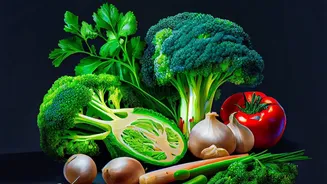
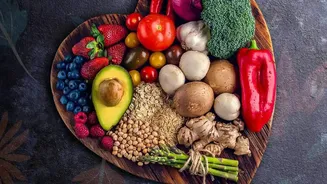
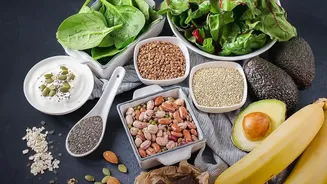
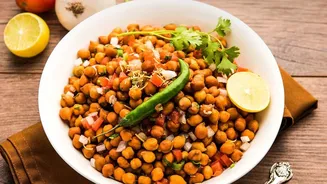
Protein is often called the building block of life, and for good reason. For growing children, it is essential for muscle and bone growth, brain development, and a strong immune system. Many Indian children, particularly in vegetarian families, consume diets that don't meet their daily protein requirements. Simultaneously, a lack of variety in the diet leads to deficiencies in vital micronutrients like iron, zinc, and vitamins, resulting in high rates of anaemia. A varied diet, including different dals, vegetables, fruits, and dairy, ensures a wider range of nutrients. The new focus encourages the inclusion of diverse, locally-sourced foods like millets, pulses, green vegetables, and, where culturally acceptable, eggs, to create a more robust nutritional foundation for children.
What's on the Menu Under the New Drive?
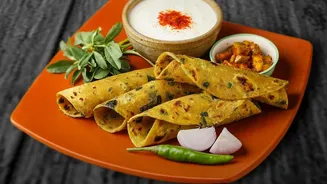
The renewed nutrition drive is being implemented through India's vast network of Anganwadi centres and school mid-day meal programs. Under Poshan 2.0, supplementary nutrition norms have been revised to move beyond calorie counts and focus on quality protein and essential micronutrients. This translates to tangible changes in the food provided. There is a push to incorporate fortified foods, diverse millets like ragi and bajra, and a wider range of pulses and vegetables into the daily meals of millions of children. Digital tools like the 'Poshan Tracker' application are being used to monitor service delivery and ensure beneficiaries receive their intended nutritional support in real-time.
Challenges on the Road to Better Nutrition
Implementing such a large-scale shift is not without its hurdles. Challenges include ensuring a consistent supply chain for diverse food items to the most remote areas, and addressing cultural food habits that may resist change. Creating awareness among parents and communities about the importance of dietary diversity is a monumental task in itself. Furthermore, effective implementation requires strong coordination between various government ministries, from health and education to agriculture. Overcoming these obstacles will depend on sustained political will, robust monitoring, and active community participation to ensure the policy's ambitious goals are met on the ground.