




Understanding the Fifth Taste
For decades, we were taught about four basic tastes: sweet, sour, salty, and bitter. But there's a fifth, and it’s the key to what makes food satisfyingly savoury. It’s called umami. First identified by Japanese scientist Dr. Kikunae Ikeda in 1908, 'umami'
translates to a 'pleasant savoury taste'. It’s that deep, brothy, and sometimes 'meaty' flavour that makes you want to take another bite. Umami is the taste of glutamates and nucleotides, which are amino acids and compounds found naturally in many foods like aged cheeses, mushrooms, cured meats, and tomatoes. These compounds signal to our brain that a food is rich in protein, making it feel more complete and flavourful. This mouth-coating, lingering sensation is what elevates a simple soup to a hearty broth or a plain dish to a memorable meal.
The Science in the Spice Jar
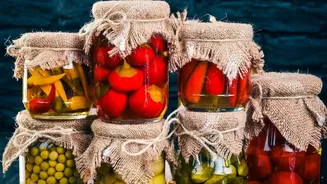
So, where do Indian pickles fit in? Achar is a powerhouse of umami, and it all comes down to its ingredients and the magic of fermentation. Fermentation is a process where microbes break down proteins into amino acids, including glutamic acid, the very molecule that triggers the umami taste on our tongue. This is why fermented foods like soy sauce, kimchi, and Indian pickles have such a complex, savoury depth. Many Indian pickles undergo lacto-fermentation, a process that not only preserves the vegetables and fruits but also develops this distinct umami flavour. Furthermore, key ingredients used in Indian pickling are naturally rich in umami or help enhance it. Spices like asafoetida (hing) are known to deepen the savoury notes in a dish. The slow process of fruits and vegetables marinating in oil and spices allows these flavours to meld and concentrate, creating a potent, umami-rich condiment.
Balancing the Vegetarian Thali
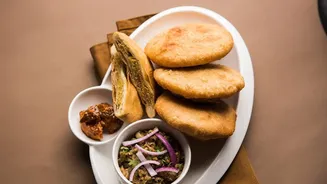
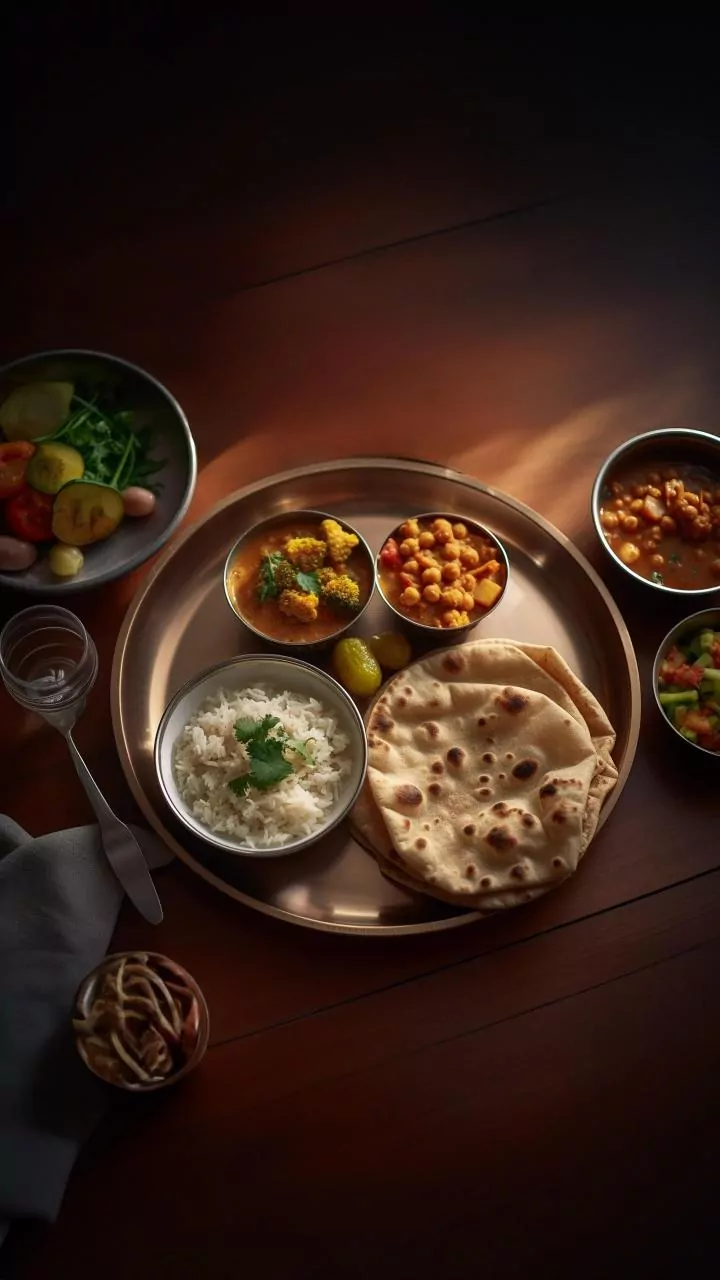
The role of umami becomes especially critical in vegetarian cooking. While meats are a natural and abundant source of umami, plant-based dishes often need a little help to achieve that same satisfying depth. This is where achar becomes more than just an accompaniment; it becomes an essential flavour component. A simple dal, a sabzi, or a plate of rice can sometimes feel like it's missing something. That 'something' is often the savoury foundation that umami provides. A small spoonful of mango, lime, or chilli pickle introduces a concentrated burst of salty, sour, and spicy tastes, all underscored by a deep umami base. This complexity instantly balances the meal, making the vegetarian components taste richer and more complete without the need for meat-based broths or stocks.
A Tour of Regional Umami Bombs
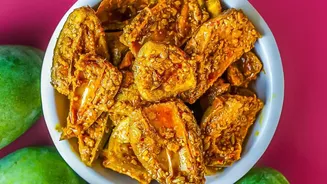
India's diversity is perfectly captured in its pickles, with each region offering its own unique umami profile. Andhra's Avakaya, a fiery mango pickle made with mustard powder and sesame oil, is a classic example of a robust, umami-laden achar. In Gujarat, the sweet and tangy Chhundo, a grated raw mango pickle, gets its savoury depth from the slow cooking process that concentrates the fruit's natural glutamates. In the North, mustard oil-based pickles with spices like fennel and asafoetida deliver a pungent, sharp umami hit that cuts through rich foods. Even a simple nimbu ka achaar (lime pickle) develops a profound, almost mellow umami character as it ages, with the sourness giving way to a more complex savouriness.
More Than Just a Condiment
Ultimately, the function of achar on an Indian plate is sophisticated. It is not just there to add spice, but to complete the entire flavour profile of the meal. It serves as a palate cleanser, a flavour enhancer, and a digestive aid, but its most underappreciated role is that of an umami provider. The tradition of adding a pickle to your plate is an intuitive culinary practice, passed down through generations, that ingeniously ensures every meal, especially a vegetarian one, is perfectly balanced and deeply satisfying. The process of 'bhunao' (slow roasting) and fermentation, both central to Indian cooking, are traditional methods of unlocking umami that have been practiced for centuries.