






A New Strategy for the Red Planet
NASA has announced seven new contracts under an initiative called STRIDE, which stands for Science Transport and Robotic Innovation for Deployment and Exploration. With a total potential value of around $17 million, these awards signal a major shift in how
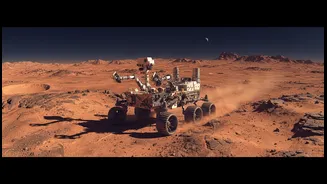
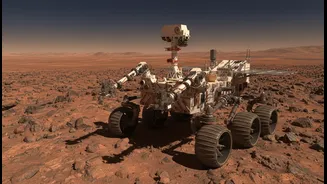
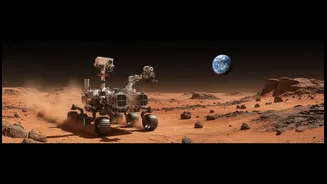
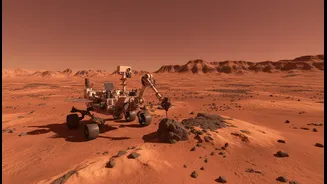
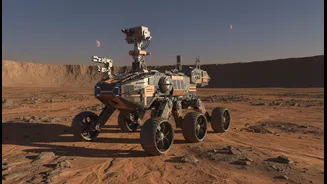
the agency plans to tackle Mars. Instead of relying solely on its own large-scale rover projects, NASA is turning to the private sector to develop a new generation of robots. The goal is to create smaller, more agile, and highly specialized systems that can go where current rovers like Perseverance and Curiosity cannot. This public-private partnership model aims to accelerate innovation, identify new capabilities, and ultimately build a robust ecosystem of robotic explorers that can work together on the Martian surface.
The Companies Leading the Charge
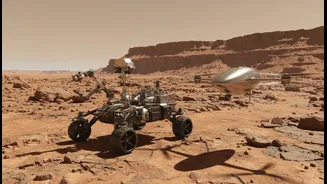
The seven companies selected represent a mix of established aerospace players and nimble startups, highlighting the breadth of the commercial space industry. The list of awardees includes AeroVironment, Astrobotic, Venturi Astrolab, Ground Control Robotics, Honeybee Robotics, Intuitive Machines, and MEI Technologies. AeroVironment, for instance, was the company behind the successful Ingenuity Mars Helicopter, showcasing its expertise in aerial exploration. Others, like Astrobotic and Intuitive Machines, have been heavily involved in NASA's Commercial Lunar Payload Services (CLPS) program, developing landers and demonstrating their ability to deliver hardware to other worlds. This selection shows NASA's confidence in leveraging a diverse range of industry partners to solve specific, complex problems.
Conquering Difficult Martian Terrain
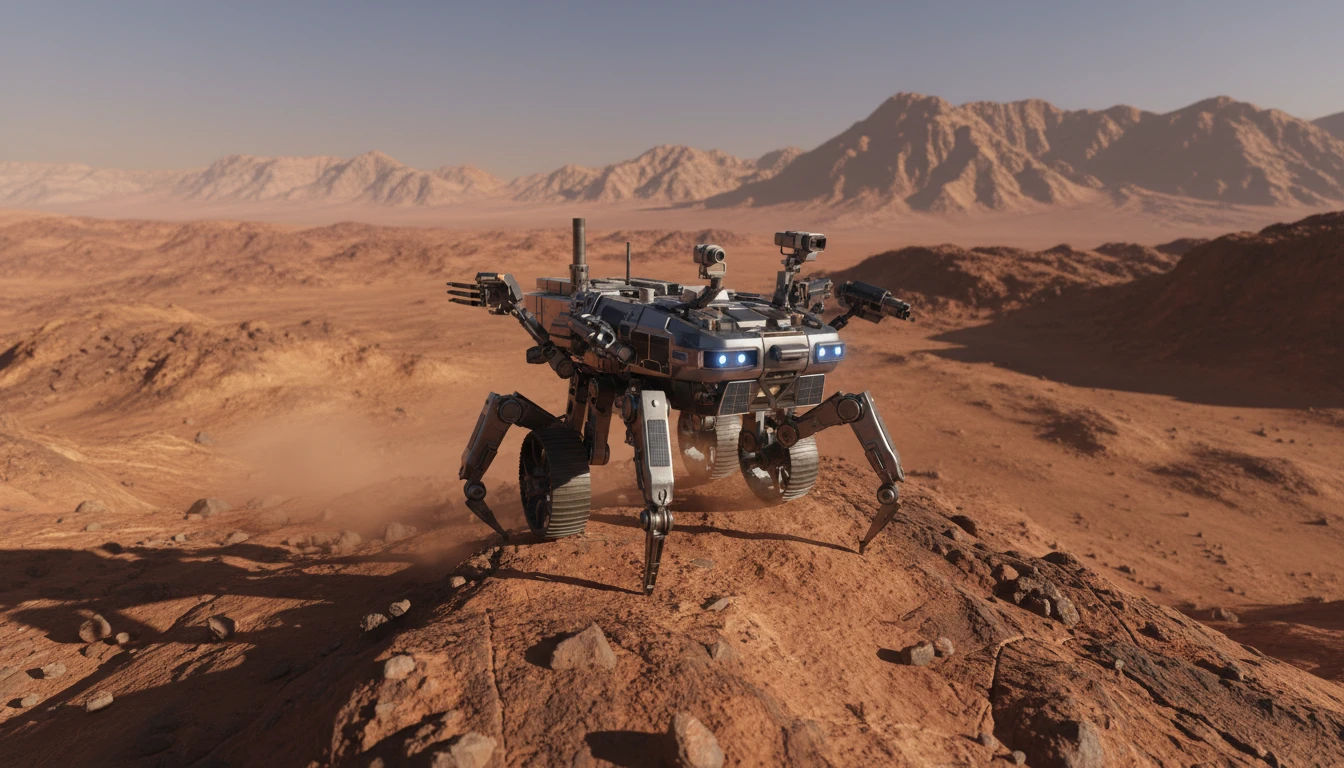
One of the primary goals of the STRIDE initiative is to overcome one of the biggest limitations of past missions: mobility in difficult terrain. Mars is covered in steep slopes, treacherous sand pits, and rocky fields that are inaccessible to current wheeled rovers. These new contracts will fund the development of novel mobility systems designed to navigate these challenging landscapes. While specific designs are under development, this could include concepts like legged robots that can walk over obstacles, transforming rovers that can adapt their shape, or hybrid aerial-ground systems. By developing robots that can access scientifically valuable regions like crater walls or cave entrances, NASA hopes to unlock new discoveries that have been just out of reach.
Beyond the Six-Wheeled Rover
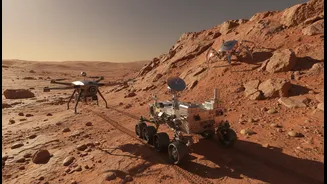
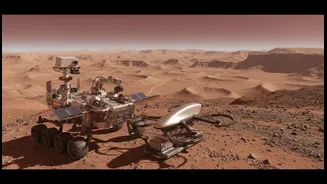
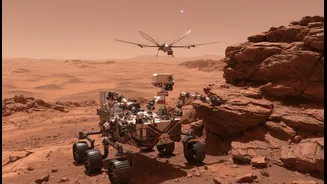
The era of the monolithic, six-wheeled rover may be evolving. The STRIDE contracts are not just about building better wheels; they are about reimagining what a Martian robotic explorer can be. This includes a focus on advanced autonomy, allowing robots to make more decisions for themselves without constant input from engineers on Earth. It also emphasizes the development of both surface and aerial technologies, building on the groundbreaking success of the Ingenuity helicopter. Future missions could involve a team of robots, with a ground rover acting as a base station for smaller, more agile drones or rappelling robots that can explore vertical cliffs. This distributed approach promises more resilient and efficient exploration, as a single point of failure would not jeopardize an entire mission.