



What is Tamarind?
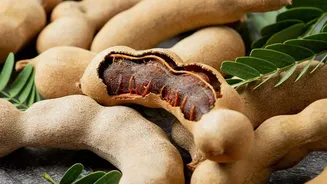
Tamarind is a tropical fruit that grows in pods on the Tamarindus indica tree, which is native to Africa but now cultivated across India and other tropical zones. Inside these brittle, brown pods is a sticky, dark, fibrous pulp surrounding hard seeds.
This pulp is the edible part and a cornerstone of South and Southeast Asian, Mexican, and Caribbean cuisines. As the fruit ripens, its flavour transforms from sharply sour to a more balanced sweet-and-sour taste, often described as having notes of citrus, dates, and prunes.
Pulp, Paste, or Concentrate?
Navigating tamarind products can be confusing. 'Pulp' typically refers to the compressed block of tamarind flesh, often with seeds and fibres, that you buy at the store. This is the most natural form and requires preparation. 'Paste' or 'puree' is what you create at home by soaking and straining the pulp block; it's a smooth, ready-to-use liquid. 'Concentrate', sold in jars, is a much thicker, darker, and more intensely sour version that has been cooked down for a longer shelf life. Because concentrates vary in strength by brand, they must be used carefully. As a general rule, you can substitute one part concentrate for three parts homemade paste.
How to Prepare Tamarind Pulp
Making your own tamarind paste from a block of pulp is simple and yields the freshest flavour. Start by breaking off the amount of tamarind you need. Place the chunk in a bowl and cover it with hot or lukewarm water, using just enough to submerge it. Let it soak for about 15 to 30 minutes. Once softened, use your fingers or a spoon to mash the pulp until it dissolves into the water, creating a thick slurry. Pour this mixture through a fine-mesh sieve set over another bowl, using a spatula or the back of a spoon to press all the liquid and smooth pulp through. The remaining seeds and fibres in the sieve can be discarded. The resulting smooth paste is now ready to be used in your recipe.
The Magic of Cumin and Tamarind
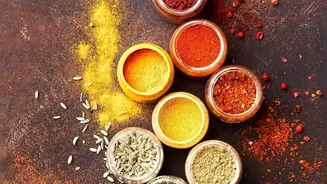
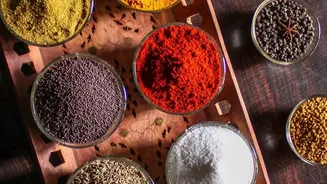
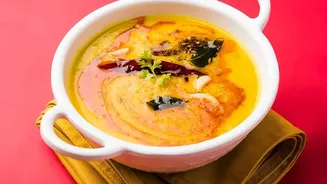
The combination of earthy cumin and tangy tamarind is a classic pairing in Indian cuisine, creating a deep and complex flavour foundation. Roasted cumin powder, with its warm and aromatic notes, beautifully balances the bright acidity of tamarind. You can find this iconic duo in countless dishes. In tamarind chutney, roasted cumin adds a smoky depth to the sweet and sour base. In South Indian staples like sambar and rasam, tamarind provides the essential sourness while cumin contributes to the fragrant spice blend, or 'tadka'. This pairing is also fundamental in 'khatti dal', where the sourness of tamarind is complemented by a tempering of cumin and other spices.
Creative Ways to Use Tamarind Pulp
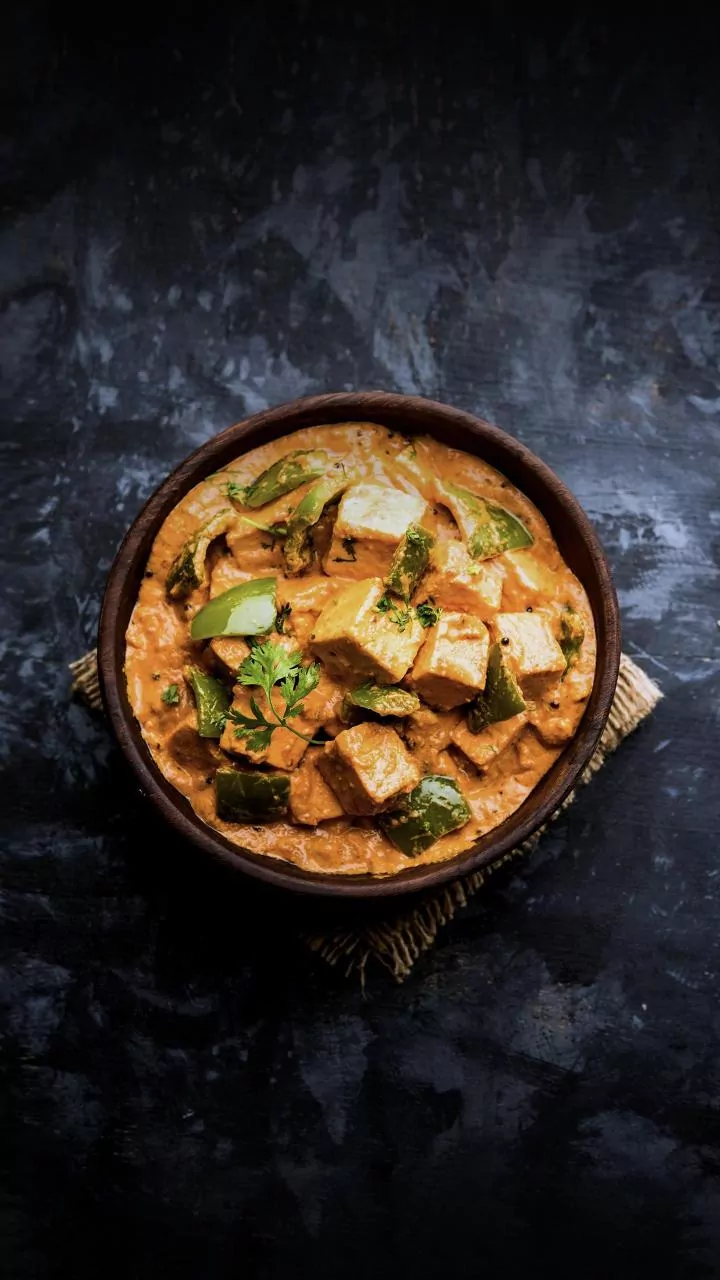
Beyond traditional curries and chutneys, tamarind paste is incredibly versatile. Its sweet-and-sour profile makes it an excellent base for marinades for chicken or fish, where it helps to tenderise the meat while adding flavour. You can also whisk it into salad dressings with a bit of honey, vinegar, and oil for a tangy vinaigrette. Tamarind is a key ingredient in Pad Thai sauce and even gives Worcestershire sauce its characteristic tang. For a refreshing drink, dilute the paste with water, add a sweetener like jaggery or sugar, and a pinch of spice to create a tamarind beverage, often called 'agua de tamarindo' in Mexico.