




Swap Fried Snacks for Steamed Ones
The urge for hot pakoras and samosas is almost irresistible when it rains. However, the high humidity during the monsoon slows down our digestion, making it harder to process oily and heavy foods. This can lead to bloating, acidity, and general lethargy.
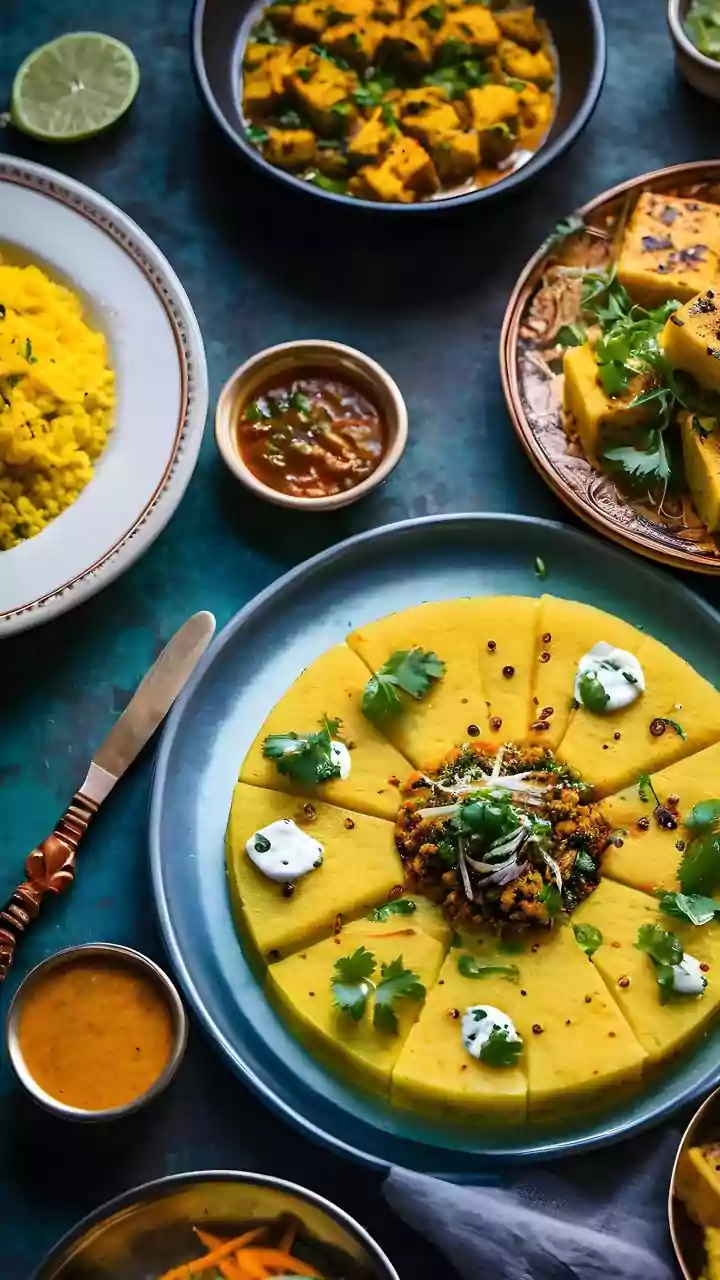
A simple, healthy swap is to opt for steamed snacks instead. Think steamed corn (bhutta), steamed momos with a vegetable filling, or Gujarati specialities like dhokla and muthia. These options satisfy the craving for a warm snack without the extra oil and calories, making them much easier on your digestive system.
Embrace Warm Soups and Broths
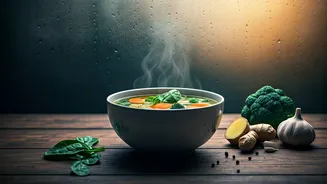
A bowl of hot soup is the perfect monsoon companion. It provides warmth, hydration, and a wealth of nutrients. Clear soups made from vegetables like carrots, tomatoes, and spinach are light and easy to digest. For an immunity boost, add ingredients like ginger, garlic, and a pinch of black pepper or turmeric. Lentil-based soups (dal shorba) or a simple chicken broth are also excellent choices, providing protein and keeping you feeling full. They are a fantastic way to ensure you get a variety of vitamins and minerals to help your body fight off seasonal bugs.
Boost Immunity with Spices and Herbs
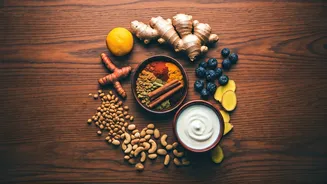
The Indian kitchen is a treasure trove of immunity-boosting spices. The monsoon is the perfect time to make them a star in your diet. Start your day with a warm glass of water with honey and lemon, or a herbal tea (kadha) made with tulsi, ginger, cinnamon, and cloves. Add turmeric to your milk for a soothing, anti-inflammatory drink before bed. Incorporating ginger and garlic generously in your daily cooking not only adds flavour but also leverages their powerful antibacterial and antiviral properties to keep common colds and flu at bay.
Prioritise Gut Health with Probiotics
A healthy gut is the foundation of a strong immune system. The damp weather can sometimes increase the risk of stomach infections. Including probiotics in your diet helps maintain a healthy balance of good bacteria in your gut. Fresh, homemade curd (dahi) or yogurt is an excellent and easily accessible source. You can have it with your meals, blend it into a lassi, or use it to make raita. Fermented foods like buttermilk (chaas) are also beneficial, aiding digestion and keeping your stomach cool and settled.
Be Cautious with Raw and Leafy Vegetables
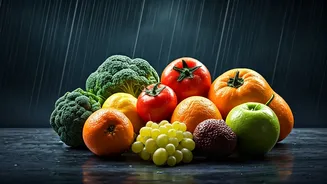
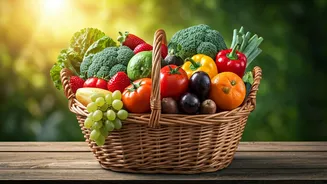
While salads and raw vegetables are usually healthy, they can pose a risk during the monsoon. The high moisture content in the air and soil increases the chances of contamination with germs and bacteria. Leafy greens like spinach, cabbage, and cauliflower can harbour dirt and worms, especially during this season. It's best to avoid raw salads made with leafy greens. If you must eat them, wash them thoroughly in clean water, perhaps with a drop of vinegar or a salt soak, and preferably cook them. Opt for vegetables like lauki (bottle gourd), tinda (Indian round gourd), and parwal (pointed gourd), which are light and easy to cook.
Stay Hydrated, The Smart Way
You might not feel as thirsty during the monsoon due to the cooler temperatures, but staying hydrated is crucial. Dehydration can weaken your immune system. However, be mindful of the source of your water. To avoid water-borne diseases, always drink boiled or filtered water. Besides plain water, you can hydrate with warm herbal teas, clear soups, and coconut water. Avoid carbonated and sugary drinks, as they can cause bloating and offer no nutritional benefits. Proper hydration helps flush toxins out of the body and keeps your energy levels up.