




A Birder’s Paradise
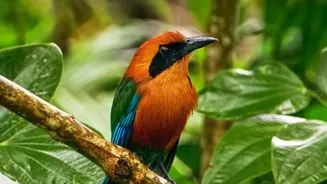
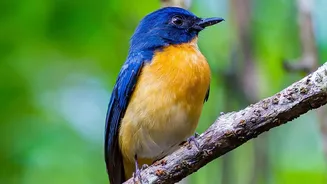
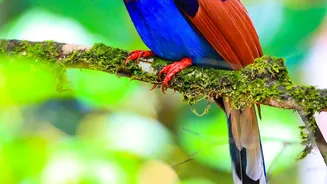
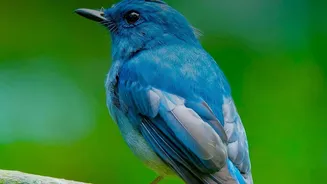
South Andaman is a dream destination for birdwatchers, boasting a remarkable number of endemic species you simply cannot find anywhere else. Its unique location, closer to Southeast Asia than the Indian mainland, has fostered a distinct avifauna. Key
hotspots like Chidiya Tapu, which translates to 'Bird Island', and Mount Harriet National Park are the epicentres of this activity. These areas offer a mix of habitats, from dense evergreen forests and mangroves to coastal shores, attracting a wide variety of birds. Birders can spot everything from the Andaman Woodpecker and Andaman Drongo to the stunning Andaman Cuckoo-Dove and the majestic Andaman Serpent Eagle. The accessibility of these sites from Port Blair makes it possible to plan productive early morning or late afternoon sessions when birds are most active.
The Guide is Your Greatest Asset
While it's possible to explore on your own, the value of an experienced local guide in South Andaman cannot be overstated. The region's most prized sightings, especially the endemic species, are often elusive. A good guide possesses invaluable knowledge of bird calls, specific microhabitats, and the exact locations where certain species are likely to be found at different times of the day. They can differentiate between the calls of an Andaman Shama and an Andaman Bulbul, or know the preferred fruiting trees for the Andaman Green Pigeon. Furthermore, navigating the forest trails and understanding local conditions is made significantly easier with their help. For nocturnal birding to find species like the Andaman Scops Owl or Hume's Hawk Owl, a guide is not just recommended, but essential.
Preparing for Sun and Showers
The Andaman Islands have a tropical climate, and being ready for rain is crucial, even outside the peak monsoon season. The best time for birding is generally from November to April, when the weather is drier and migratory birds are also present. However, sudden showers can occur anytime. Packing a lightweight, waterproof rain jacket and dry bags for your electronics and documents is a wise move. Clothing should be light, breathable, and of neutral colours to avoid startling the birds. Quick-drying fabrics are preferable. During the monsoon (May to October), birding can still be rewarding as the forests are lush, but trails become slippery and ferry services between islands can be disrupted, so flexibility in your itinerary is key. Regardless of the season, carry insect repellent, sunscreen, a wide-brimmed hat, and sturdy, comfortable footwear.
The Golden Rules of Ethical Birding
As a visitor to this fragile ecosystem, practicing low-impact tourism is paramount. The primary rule of ethical birding is that the welfare of the birds comes first. This means maintaining a respectful distance and using binoculars or a telephoto lens for a closer look, rather than physically approaching the birds. Avoid making loud noises or sudden movements that could cause distress. The use of recorded bird calls to attract species should be done sparingly, if at all, as it can disrupt their natural behaviours like feeding and nesting. Never try to approach a nest or handle birds. Stay on marked trails to avoid trampling vegetation, and carry out everything you carry in, leaving no litter behind. By being a responsible birder, you help ensure that this paradise remains pristine for future generations of birds and bird lovers.