




The Allure vs. The Reality of Monsoon Travel
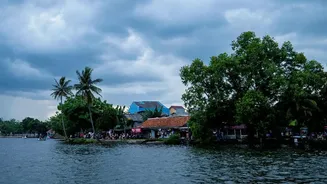
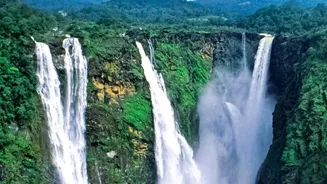
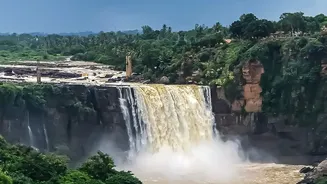
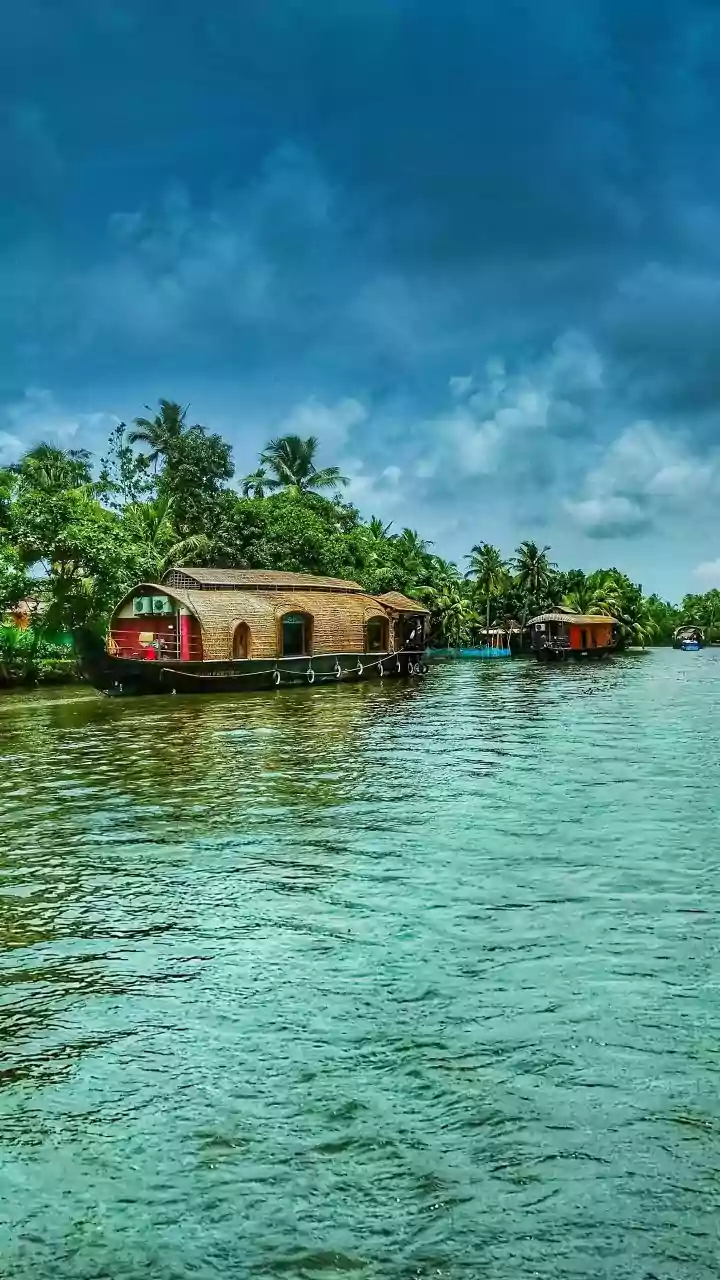
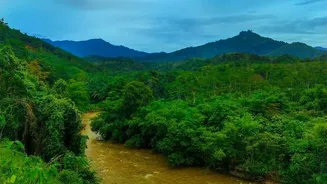
Misty hills, roaring waterfalls, and landscapes washed in emerald green—the appeal of a monsoon road trip is undeniable. It's a time when popular destinations are less crowded and nature feels raw and powerful. However, this beauty comes with a significant
catch. The same rains that transform the scenery can also trigger life-threatening events like landslides, flash floods, and road collapses. Every year, what starts as a scenic drive can quickly turn into a travel nightmare, with tourists getting stranded for days. Underestimating the monsoon's power is a common and dangerous mistake. The key to a successful trip isn't just about packing an umbrella; it's about knowing when the risk outweighs the reward and making the tough but smart decision to stay home.
Decoding Official Weather Warnings
Before you even pack your bags, your first stop should be the India Meteorological Department (IMD) website. The IMD uses a simple colour-coded system to issue weather warnings, which are crucial for your safety. A 'Green' alert means all is well, but a 'Yellow' alert is a sign to 'Be Aware'—severely bad weather is possible. An 'Orange' alert means 'Be Prepared' for extremely bad weather that could disrupt transport and power, posing a potential threat to life and property. The highest level, a 'Red' alert, is a direct instruction to 'Take Action'. It signals that extremely severe conditions are expected, and you should avoid travel to protect yourself. If your destination or the route to it has an Orange or Red alert, postponing your trip is the safest choice.
Know Your Destination’s Vulnerabilities
Not all destinations are created equal during the monsoon. Hilly and mountainous regions are particularly high-risk. Popular spots in Himachal Pradesh, Uttarakhand, and the Western Ghats are prone to landslides and rockfalls that can block highways for hours or even days. In mid-August 2026, for example, the IMD has issued alerts for heavy rainfall and potential landslides in many of these northern hill states. Coastal areas can face flooding and dangerously rough seas, while plains and cities are not immune to severe waterlogging that brings traffic to a standstill. Research your specific destination's history with monsoon-related incidents. If it has a track record of frequent landslides, road closures, or flooding, it is wise to choose an alternative location or travel during a safer season.
Assess the Risks of the Journey Itself
Often, the most dangerous part of a monsoon trip is not the destination but the journey. Driving on wet highways is inherently risky. Braking distances increase significantly, and the mix of rain and road oil creates slippery surfaces, increasing the chances of skidding or hydroplaning. Visibility is often poor, especially during heavy downpours. Major highways, especially those cutting through hilly terrain like the Mumbai-Pune Expressway or roads leading to Shimla and Manali, can become clogged with traffic or shut down entirely due to landslides. Before you leave, check live traffic updates and local news for any road closures or disruptions. If multiple routes are blocked or transport services like trains and buses are being cancelled, it’s a clear sign that travel is hazardous. Driving at night during heavy rain should be avoided at all costs.
Heed Local Advice and News
National forecasts provide the big picture, but local information is gold. Before and during your trip, stay connected with sources on the ground. Call your hotel or resort and ask them directly about the local conditions. Are roads open? Is there waterlogging? Have there been any recent landslides nearby? Local residents and business owners have the most current and practical knowledge. Pay attention to local news reports and advisories from district administrations. They are the first to announce road closures, evacuation warnings, or other safety measures. If locals are advising against travel, listen to them. Their experience with the regional climate is invaluable and should be trusted over your desire to stick to a pre-planned itinerary.
The Final Call: Safety Over Sunken Costs
It can be painful to cancel a trip you've been looking forward to, especially when you have non-refundable bookings for hotels or flights. This financial pressure often leads people to take unnecessary risks. However, no amount of money saved is worth compromising your safety or the safety of your family. If multiple red flags are present—severe weather alerts, news of landslides, advice from locals to stay away—the decision is clear. It is far better to lose a deposit than to find yourself stranded in a dangerous situation. Many airlines and hotels may offer flexible rebooking options or refunds if the cancellation is due to severe weather, especially if official advisories are in place. Prioritise your well-being, and remember that the mountains and beaches will still be there for you to enjoy when the weather is safer.