
The Tea Capital's Gentle Welcome
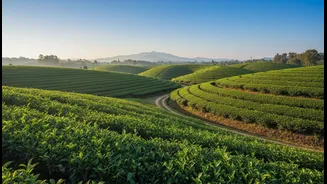
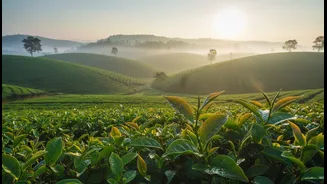
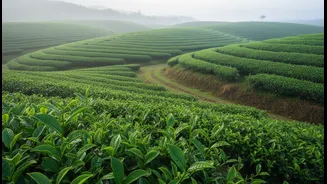
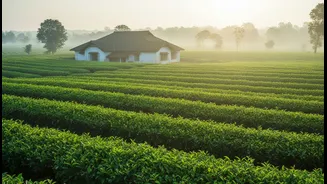
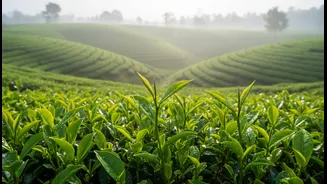
Often called the 'Tea Capital of India', Jorhat is surrounded by a seemingly endless ocean of green. More than just a title, this identity shapes the town's unhurried rhythm. Life here revolves around the cycles of tea cultivation, a process best appreciated
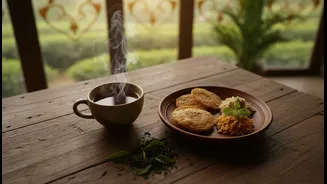
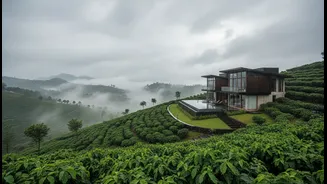
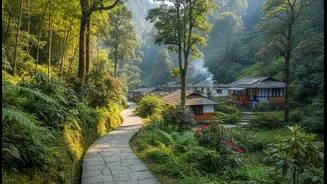
slowly. Visitors can immerse themselves in this world by visiting historic plantations like the Cinnamora Tea Estate, which dates back to the early 19th century and is considered the birthplace of Assam's commercial tea industry. Many estates offer guided tours where you can witness the journey from leaf to cup. For a truly immersive experience, consider staying in a heritage tea bungalow, where colonial-era charm meets the tranquility of the plantations. Waking up to misty mornings and the subtle aroma of tea leaves is an experience that sets the tone for a slow, mindful journey.
A Taste of Authentic Assamese Flavours
Jorhat provides a delicious introduction to the nuances of Assamese cuisine, which is known for its reliance on fresh, local ingredients and subtle, flavourful preparations rather than heavy spices. A traditional Assamese thali here is a must-try. Key dishes to look out for include 'Masor Tenga', a light and tangy fish curry that is a staple in any Assamese household, and 'Khar', a unique dish made using an alkaline extract from banana peels, often cooked with papaya or lentils. Another local comfort food is 'Aloo Pitika', a simple but flavourful mash of boiled potatoes with raw onions, green chillies, and pungent mustard oil. For meat lovers, 'Baanhgajor Lagot Kukura' (chicken with bamboo shoot) offers a distinct, earthy flavour that is characteristic of the region. Restaurants like Chouka Ethnic Cuisine are popular spots for sampling these authentic local thalis.
Gateway to River Islands and Rare Primates
Jorhat's strategic location makes it an ideal base for exploring some of Upper Assam's most cherished natural and cultural treasures, without the frantic pace of a packed itinerary. A short ferry ride from Nimati Ghat, about 14 kilometres from town, takes you to Majuli, the world's largest river island. This journey across the vast Brahmaputra is an experience in itself. Majuli is a centre of Vaishnavite culture, home to ancient monasteries or 'Satras', and offers a glimpse into a serene way of life with its stilt houses and artisan villages. Equally captivating is a trip to the Hoollongapar Gibbon Sanctuary. This protected forest is home to India's only ape, the Western Hoolock Gibbon, and several other primate species. Exploring the sanctuary is done on foot, a perfect activity for the slow traveller, allowing for a quiet, intimate encounter with the region's rich biodiversity.
Embracing the Unhurried Pace
Beyond the major attractions, the true joy of visiting Jorhat lies in embracing its slower pace. It’s a town for wandering through local markets like Garh Ali and Chowk Bazaar, known for traditional Assamese silks and crafts. It’s about visiting historical sites like the Raja Maidam, the burial mounds of Ahom royalty, and letting the history sink in without a rush. The town itself, with its blend of colonial history and Assamese culture, invites leisurely exploration. As a key educational and research hub, home to institutions like the Tocklai Tea Research Institute, it has a thoughtful, intellectual vibe that complements its gentle atmosphere. Jorhat isn't about ticking off a checklist; it’s about absorbing a place, its people, and its rhythms at a pace that allows for genuine connection and discovery.