







Goa: The Quiet Coast
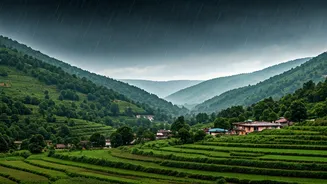
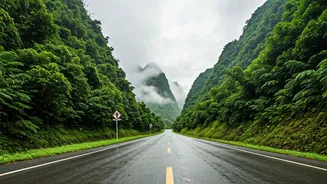
Forget the packed beaches and thumping nightlife of December. Monsoon Goa is a different entity altogether. From June to September, the state transforms into a lush, green paradise. The crowds thin, the prices drop, and a serene beauty takes over. The real
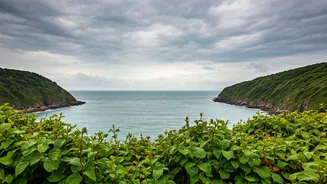
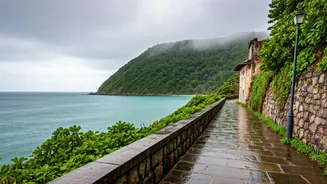
joy is hiring a scooter and riding through vibrant green paddy fields, stopping at local cafes, and enjoying quiet, windswept beaches. While swimming is not advised due to rough seas, the dramatic, cloudy skies make for stunning coastal walks. Waterfalls like Dudhsagar are at their thunderous best, and local festivals like Sao Joao in June offer a glimpse into a culture that peak-season tourists rarely see.
Kerala: The Rejuvenated Backwaters
They call it ‘God’s Own Country’ for a reason, and the monsoon is when it truly earns the title. The network of lakes, canals, and rivers that make up the backwaters are replenished by the rains, turning the landscape a vivid, almost impossible shade of green. A houseboat journey during this time is a uniquely atmospheric experience, drifting past rain-washed villages as the sound of raindrops patters on the roof. The monsoon is also considered the ideal time for Ayurvedic treatments, as the cool, moist air is believed to help the body absorb the therapies more effectively. It’s a quieter, more introspective way to experience the backwaters, focused on nature's rejuvenation.
Orchha: Heritage in the Rain
This medieval town in Madhya Pradesh, often dry and stark in other seasons, becomes magical during the monsoon. The Betwa River swells, flowing dramatically around the ancient chhatris (cenotaphs) and grand palaces. The rain washes the stone monuments, making the architectural details of the Jahangir Mahal and Raj Mahal pop against dark, moody skies. The otherwise arid landscape springs to life with a carpet of green, making a heritage walk feel like a journey through a forgotten kingdom. It’s a perfect destination for those who want to experience the beauty of the rains without the risk of landslides, combining history with a fresh, vibrant atmosphere.
Hampi: Brooding Boulders, Green Vistas
The iconic, boulder-strewn landscape of Hampi, a UNESCO World Heritage Site, takes on an entirely different character in the monsoon. The stark, sun-bleached rocks are transformed by patches of green moss, and the Tungabhadra River, often a gentle stream, becomes a powerful force. Exploring the magnificent ruins of the Vijayanagara Empire against a backdrop of dramatic, overcast skies is a photographer's dream. The crowds of the peak season are gone, allowing for a more intimate and serene connection with the ancient temples and palaces. While some activities like bouldering are off-limits due to slippery rocks, the experience of seeing this historic landscape rejuvenated by the rains is unforgettable.
Udaipur: The City of Lakes Fulfilled
While a popular destination year-round, Udaipur in monsoon is a sight to behold. This is when the ‘City of Lakes’ lives up to its name, with Lake Pichola and Fateh Sagar Lake filled to the brim. The rain washes the majestic white marble of the City Palace and Lake Palace, making them gleam. The surrounding Aravalli hills, often brown and dry, are covered in a layer of green, providing a stunning backdrop to the city's romantic architecture. Boat rides on the full lakes offer a completely different perspective, and enjoying the view from the Monsoon Palace (Sajjan Garh), perched on a hill, is a classic rainy-day experience.