



A Tale of Two Policies
The formal trade relationship between India and Pakistan has been fraught with challenges for years. Following the Pulwama attack in 2019, India revoked Pakistan's 'Most Favoured Nation' (MFN) status. Subsequently, Islamabad suspended bilateral trade with India.
This freeze was further solidified after the Pahalgam terror attack in 2025, with both countries imposing stringent restrictions on the movement of goods. Officially, the Wagah-Attari border, once a bustling land port for commerce, is largely silent. Yet, the latest figures from the State Bank of Pakistan tell a different story. In the first quarter of the 2026-27 fiscal year (July-September 2026), Pakistan's imports from India reached $61.74 million, a 69% increase from the same period the previous year. This raises a critical question: how are Indian goods still reaching Pakistan, and why is the demand growing?
The Dubai Detour
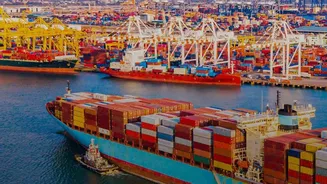
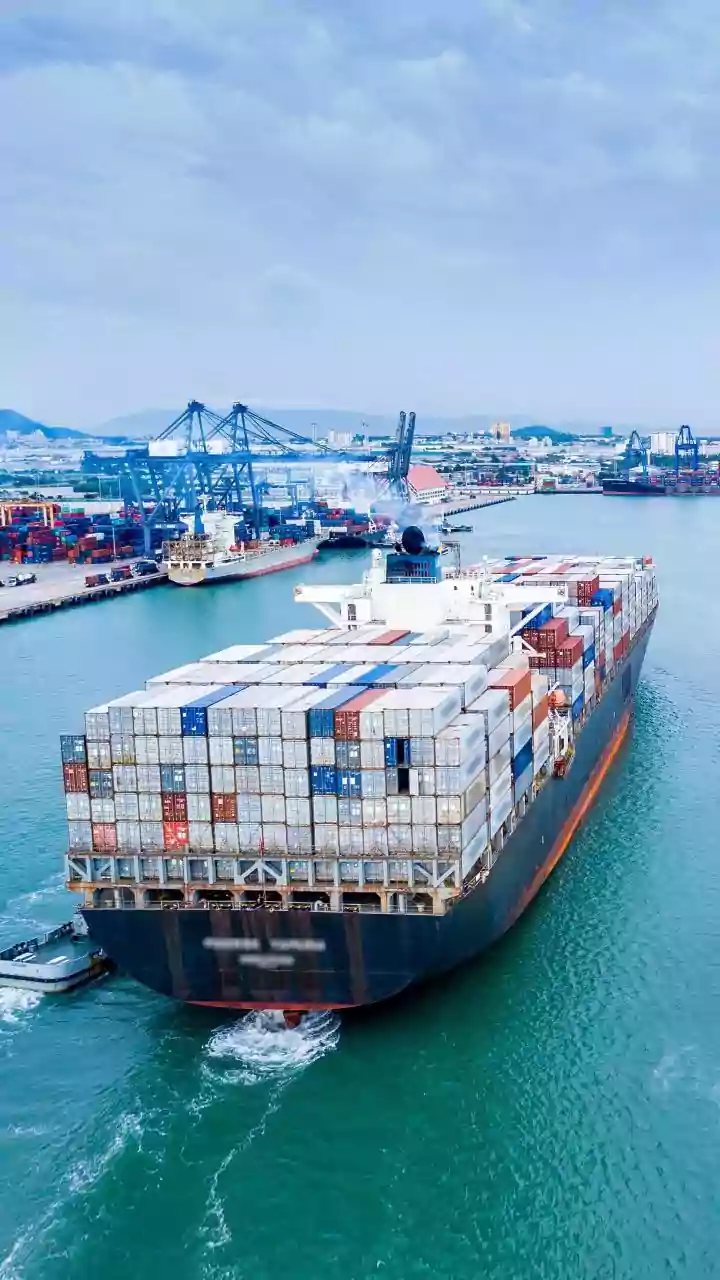
The answer lies in a thriving, albeit complicated, network of indirect trade. A significant volume of Indian goods makes its way to Pakistan via third countries, with Dubai in the UAE serving as a primary transit hub. Other locations like Singapore and Colombo also play a role. The process, sometimes called a 'grey-zone strategy', is relatively straightforward. Indian exporters ship their products to a port in a third country. There, the goods are stored in bonded warehouses where documents can be altered and products are re-labelled to show a new country of origin. These goods are then re-exported to Pakistan, appearing as if they originated from the UAE or another transit nation, thus circumventing the direct trade ban. While this keeps supply chains moving, it adds significant costs and complexity that would be avoided in a normal trade environment.
Economic Need vs. Political Stance
The driving force behind this persistent trade is Pakistan's economic dependency on certain Indian products. The cost, quality, and geographical proximity of Indian goods make them highly competitive. This is most evident in the pharmaceutical sector. For the 2025-26 fiscal year, pharmaceutical products and organic chemicals accounted for over 96% of Pakistan's imports from India. Pakistan’s pharmaceutical industry relies heavily on Indian active pharmaceutical ingredients (APIs), the essential raw materials for manufacturing medicines. Despite the trade ban, Pakistan made an exception early on for therapeutic products, a clear acknowledgement of this critical need. Imports of items like vaccines for human use have seen a significant rise. Sourcing these essential materials from other countries could increase costs by as much as 40-50%, making the Indian option an economic necessity.
The Scale of Unofficial Commerce
The official figure of $61.74 million in a single quarter is just the tip of the iceberg. According to a 2025 estimate by the Global Trade Research Initiative (GTRI), an Indian think tank, unofficial trade through third-country routes could be as high as $10 billion annually. Beyond pharmaceuticals, a wide range of products including plastics, petroleum products, dyes, chemicals, rubber, tea, spices, and cereals continue to be in demand in Pakistan. This vast, unofficial flow of goods highlights a major disconnect between political directives and market realities. While governments maintain a hardline stance, businesses and consumers are finding ways to acquire necessary and desired products, even if it means paying higher prices due to the indirect routing.