





Why Monsoon Demands Extra Caution
The rainy season's signature humidity is the main culprit behind increased food safety risks. Warm, damp air allows bacteria like E. coli and Salmonella to multiply rapidly on surfaces and in food. Cooked dishes left at room temperature, even for a short
time, can become hazardous much faster than in drier seasons. The FSSAI warns that food enters the 'danger zone' for bacterial growth—between 5°C and 60°C—and should not be left out for more than two hours. During the monsoon, with its high humidity and potential for power cuts affecting refrigeration, this window can be even shorter. This makes proper storage and thorough reheating non-negotiable for keeping your family safe.
The Golden Rule: Heat, Don't Just Warm
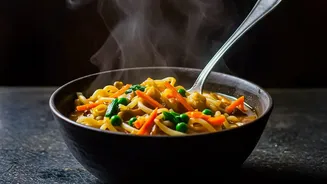
The most critical mistake when reheating leftovers is simply warming them up. To ensure safety, food must be heated to a temperature that kills harmful bacteria. Most food safety authorities, including the USDA and FDA, recommend reheating leftovers to a uniform internal temperature of 74°C (165°F). Since most home kitchens don't use a food thermometer, a good visual guide is to bring liquid dishes like dals and curries to a full, rolling boil. For solid foods, ensure they are steaming hot all the way through, not just on the edges. Microwave reheating requires extra care; stir food midway to eliminate cold spots where bacteria can survive. Never use slow cookers or chafing dishes for reheating, as they heat food too slowly, keeping it in the danger zone for too long.
A Guide to Reheating Indian Dishes
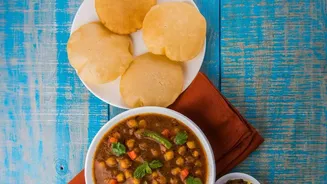
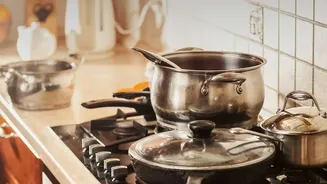
Different foods require different reheating methods. For dals and curries, the stovetop is ideal. Reheat on a medium flame, stirring occasionally, and add a splash of water to restore consistency if the gravy has thickened. Let it come to a complete boil before serving. For leftover rice, which can harbor bacteria that survive initial cooking, it's crucial to reheat it until it is piping hot. Sprinkling a little water before microwaving or heating it in a covered pan on the stove helps steam it properly. For dry sabzis, a pan or kadai over medium heat works best. For fried items like pakoras or samosas, avoid the microwave, which makes them soggy. Instead, use an oven or an air fryer to restore crispness and ensure they are heated through.
Safe Storage Is the First Step
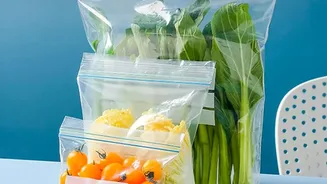
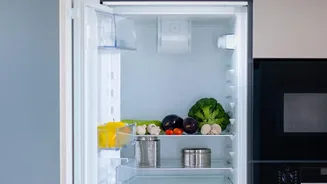
Effective reheating begins with correct storage. Never leave cooked food to cool on the counter for hours. Food should be refrigerated within two hours of cooking, or even sooner during the monsoon. To speed up cooling, transfer large quantities of food like a pot of dal into smaller, shallow containers before placing them in the fridge. Always use airtight containers to prevent moisture and cross-contamination from raw foods. It's also wise to label leftovers with the date. During the monsoon, it's safest to consume most cooked leftovers within 24 to 48 hours.
Crucial Mistakes to Avoid
One of the most dangerous habits is reheating the same batch of food multiple times. This practice repeatedly cycles the food through the temperature danger zone, encouraging bacterial growth. Only reheat the portion you intend to eat immediately. Another common error is relying on smell or taste to check if food is spoiled. Many foodborne pathogens don't produce a bad smell or taste, making this method unreliable and risky. Finally, avoid the temptation to eat street food, cut fruits, or raw salads from outside vendors during this season, as the risk of contamination from unclean water and unhygienic handling is extremely high.