


Embrace Light and Local Vegetables
During the monsoon, our digestive fire, or Agni, is considered weaker, making it harder to process heavy foods. This is the perfect time to turn to seasonal gourds like lauki (bottle gourd), turai (ridge gourd), and tinda (Indian round gourd). These vegetables
are light, easy to digest, and packed with water. Ayurveda recommends them for their ability to pacify the body during the rainy season. Bitter vegetables like karela (bitter gourd) and drumsticks are also excellent choices. They are believed to have natural antimicrobial properties that support digestion and gut health. Opt for steamed or lightly cooked preparations like simple stir-fries, stews, and soups instead of heavy, oily curries. It’s also wise to be cautious with raw leafy greens, as they can harbour microbes in the damp weather; ensure they are thoroughly washed and well-cooked.
Choose Seasonal Monsoon Fruits
While many fruits are available year-round, the monsoon has its own special bounty. Fruits like jamun (black plum), pears, plums, and pomegranates are at their best during this season. Jamun is particularly prized for its digestive benefits. Pomegranates and apples are also great choices, rich in antioxidants that help bolster your immune system. It's advisable to avoid fruits with very high water content, such as watermelon, as they can sometimes lead to bloating. Always remember to wash fruits thoroughly under clean, running water before consumption and opt for whole fruits instead of pre-cut ones sold by street vendors, which carry a higher risk of contamination.
Rely on Traditional Grains and Pulses
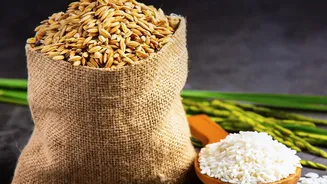
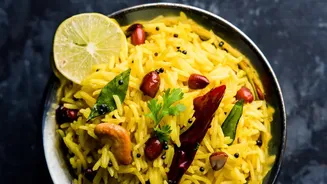
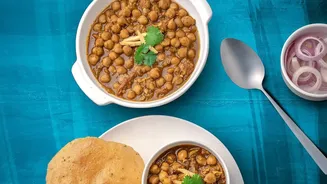
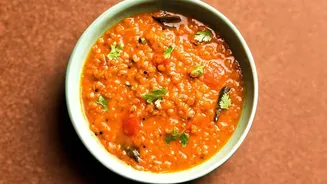
Heavy meals can tax your digestive system during the monsoon. This is where traditional Indian grains and pulses shine. Old grains like barley (jau) and aged rice are recommended as they are lighter on the stomach. Millets such as jowar, bajra, and ragi are also fantastic alternatives to include in your diet through rotis or porridges. When it comes to pulses, moong dal is the star of the season. It is one of the most digestible lentils, making it perfect for preparing khichdi—India's ultimate comfort food during the rains. A warm bowl of moong dal khichdi, prepared with a dollop of ghee and mild spices, is not just nourishing but also incredibly soothing for the gut.
Harness the Power of Herbs and Spices
The Indian spice box is a treasure trove of wellness, especially during the monsoon. Spices like turmeric (haldi), ginger (adrak), garlic (lahsun), and black pepper (kali mirch) are your best friends this season. Turmeric is known for its anti-inflammatory properties, while ginger and garlic possess powerful antibacterial and antiviral qualities that help fight off common monsoon infections like colds and flu. Adding these to your daily cooking—in dals, soups, and vegetable preparations—can significantly boost your immunity. Drinking warm herbal teas made with ingredients like ginger, tulsi (holy basil), and cinnamon is another excellent way to stay hydrated and keep infections at bay.
Smart Hydration and Foods to Avoid
Staying hydrated is crucial, but it's important to be mindful of your water source. Always drink boiled, filtered, or purified water to avoid waterborne diseases. Warm water or herbal teas are better choices than cold beverages, which can dampen digestive fire. While cravings for fried snacks like pakoras and samosas are common, it's best to limit them as heavy, oily foods can lead to bloating and indigestion. Street food, especially items like chaat and cut fruits, should be avoided due to the high risk of contamination. It is also suggested to limit the intake of dairy products like curd at night, as they can be heavy to digest for some people during this season.