




The Permit Situation: Who Needs What?
One of the most common questions from travellers revolves around permits. The good news for most is that Indian citizens do not need any special Inner Line Permit (ILP) or Protected Area Permit (PAP) to visit Spiti Valley. You can travel freely to popular
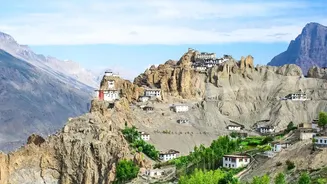
destinations like Kaza, Tabo, Dhankar, and Key Monastery. However, it is mandatory to carry a valid government-issued photo ID, such as an Aadhaar card or driver's license, for registration at police checkposts like Jangi and Sumdo. For foreign nationals, the rules are different. A Protected Area Permit (PAP) is required to travel into the restricted areas of Spiti, which includes most of the valley beyond Reckong Peo, due to its proximity to the international border. These permits can be obtained from the District Magistrate (DM) or Sub-Divisional Magistrate (SDM) offices in Shimla, Reckong Peo, or Kaza. The process involves submitting copies of your passport and visa.
High-Risk Zones: Navigating Monsoon Dangers
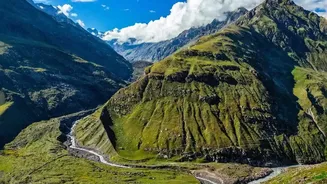
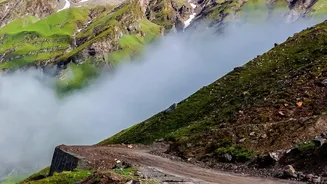
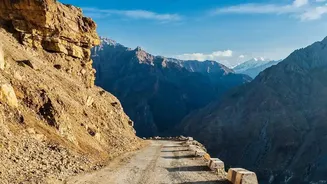
The primary challenge of a monsoon trip to Spiti isn't the rain in the valley itself—which is a rain-shadow region and receives very little precipitation—but the condition of the approach roads. The routes leading to Spiti from both Manali and Shimla pass through areas that are heavily affected by the monsoon, making them susceptible to landslides, flash floods, and rockfalls. As of early August 2026, authorities have issued alerts for heavy rainfall and gusty winds in both the Kinnaur and Lahaul-Spiti districts. Key landslide-prone areas include the stretch between Wangtu and Sumdo on the Shimla-Kinnaur route, with notorious spots like Malling Nallah and the area near Nigulsari requiring extreme caution. The Manali-Kaza highway, particularly the Gramphu to Batal section, is also known for being rough, with numerous water crossings that can become treacherous after rain. Travellers should be aware that even if the valley is dry, a downpour in the lower regions can lead to road closures that last for hours or even days.
Safe Passes: The Recommended Route for August
For travel in August 2026, the Shimla-Kaza highway (NH-5) is widely recommended as the safer and more reliable option. This route allows for gradual acclimatization to the high altitude and generally has better road conditions, although it is not without its own monsoon-related risks. While the Manali-Kaza road via Kunzum Pass is technically open for 4x4 vehicles, it is considered a much tougher and more unpredictable route during the monsoon. Many experienced travellers suggest entering Spiti via Shimla and only considering an exit via Manali if you have confirmed reports that the Kunzum Pass and the Batal-Gramphu stretch are safely passable on your day of travel. Always check the latest road status from official sources like the Lahaul-Spiti district administration's website or local police social media pages before starting each day's journey. Do not rely solely on Google Maps, as it may not reflect real-time closures.
Essential Monsoon Travel Checklist
A successful and safe monsoon trip to Spiti hinges on preparation. First and foremost, build buffer days into your itinerary. A one-day delay due to a landslide is a common occurrence. Travel in a high-clearance vehicle, preferably a 4x4, especially if considering the Manali route. Start your drives early in the day, as water crossings often swell and become more dangerous in the afternoon. Pack for all weather conditions; while days can be pleasant, temperatures can drop significantly at night. Essentials include waterproof layers, warm jackets, sturdy hiking shoes, a first-aid kit with medication for altitude sickness, and enough cash, as ATMs can be unreliable. Finally, keep emergency contact numbers for local authorities handy and inform your family or friends of your travel plans.