





A Passport to Greater Freedom
The most significant driver behind this trend is the increasing strength and accessibility of the Indian passport. As of 2026, Indian citizens can travel to dozens of countries without a prior visa. This list includes popular tourist spots in Southeast
Asia like Thailand, Malaysia, and Indonesia, as well as idyllic island nations such as Mauritius, Fiji, and the Seychelles. Recent additions and extensions of these policies by countries including Kenya and Sri Lanka highlight a growing global recognition of India's importance as a source market for tourism. This improved standing is a result of sustained diplomatic efforts by the Indian government to improve ease of travel for its citizens through bilateral agreements.
The Allure of Spontaneity
For the average traveller, the biggest advantage of visa-free travel is the elimination of hassle. The traditional visa process can be a significant deterrent, involving extensive paperwork, booking appointments, high fees, and an uncertain waiting period. Visa-free arrangements remove these barriers, making it possible to plan spontaneous trips or book last-minute deals. This convenience is a powerful motivator. Instead of spending weeks navigating bureaucracy, travellers can focus on the exciting parts of planning their trip. This simplified process makes international travel less intimidating, particularly for first-time tourists or families.
The Economic Engine of Indian Tourism
The momentum is also fuelled by powerful economic factors within India. A rapidly expanding middle class, rising disposable incomes, and a robust post-pandemic economic recovery mean more Indians have the financial means to travel internationally. Outbound tourism spending from India has seen a dramatic surge, with travel emerging as the largest expense category under the RBI's Liberalised Remittance Scheme (LRS). Countries that simplify entry for Indian tourists are strategically positioning themselves to capture a share of this massive and growing market. Reports indicate that simplifying visa rules can boost tourist arrivals by a significant margin, making it a powerful economic tool for host nations.
A Shift in Travel Mindset
There's also a cultural shift at play. Fueled by social media and a greater exposure to global trends, the aspiration for international experiences is higher than ever among Indians, especially younger generations. Travel is no longer just about visiting relatives; it's about leisure, exploration, and adventure. This new generation of travellers is digitally savvy, seeks experiential holidays, and values convenience. Visa-free destinations perfectly align with this mindset, offering exciting, accessible, and often budget-friendly options that can be easily researched and booked online. The availability of direct flights and budget airlines to many of these destinations further lowers the barrier to entry.
Where Are Indians Going?
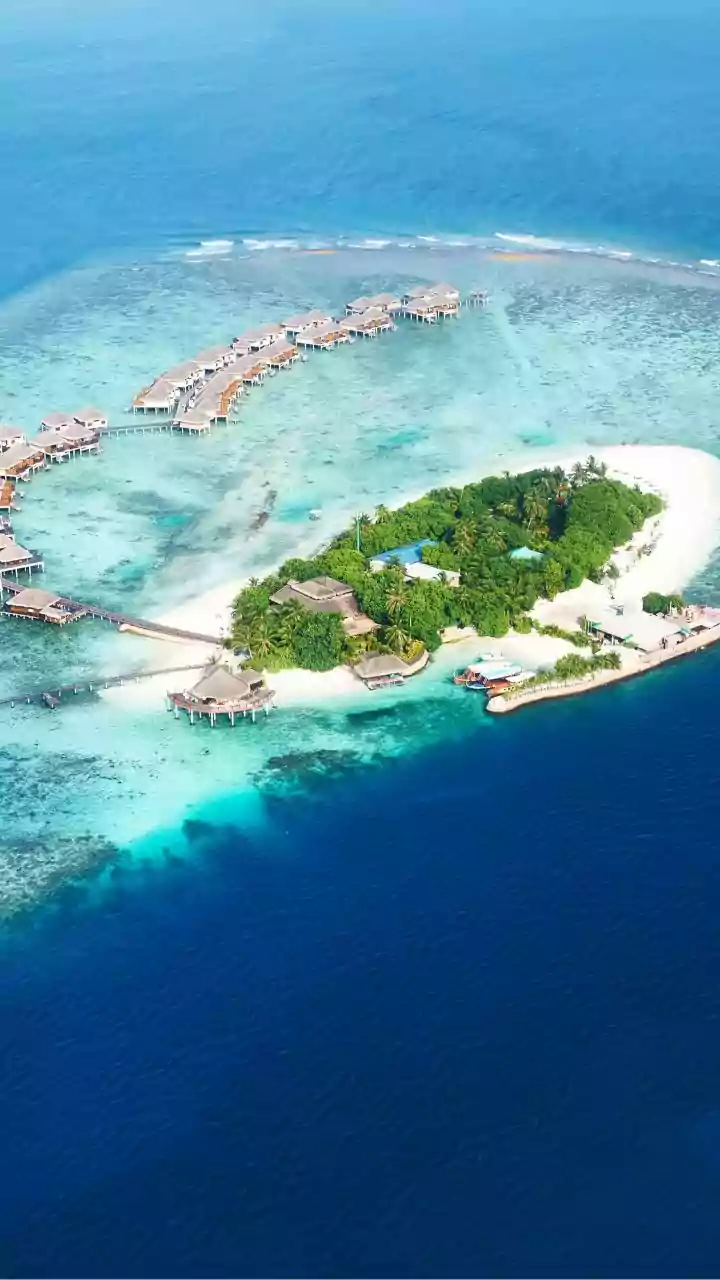
The list of visa-free or visa-on-arrival destinations is diverse, catering to every type of traveller. For a quick getaway, nearby countries like Nepal, Bhutan, Sri Lanka, and the Maldives are perennial favourites. Southeast Asia remains a dominant hub, with Thailand, Malaysia, and Indonesia drawing huge numbers of Indian tourists for their beaches, food, and culture. For those seeking a more exotic beach holiday, Mauritius, Seychelles, and Fiji offer visa-free stays of up to 90 days or more. The Caribbean also presents a cluster of visa-free options, including Barbados, Jamaica, and Grenada. Even destinations in Central Asia, like Kazakhstan, have opened their doors, offering unique cultural experiences without the visa hassle.