





Strength for Real Life
Functional strength training focuses on exercises that mimic everyday movements like sitting, standing, pushing, and pulling. The goal isn't just to build muscle, but to improve your body's ability to handle daily tasks efficiently and without strain.
As we age, we naturally lose muscle mass, a process that can make simple activities feel challenging. Regular strength training helps counteract this, preserving your independence and enhancing your quality of life by making your body more resilient and capable.
Beyond Muscle: Bones, Balance, and Brainpower
The benefits of stressing your muscles go deeper than what you see on the surface. Strength training also puts stress on your bones, which helps protect bone health and can lower the risk of osteoporosis. It strengthens the connective tissues around your joints, improving stability and reducing the risk of injury. Better muscle control enhances your balance and coordination, which is crucial for preventing falls, especially as you get older. Some research even suggests that regular resistance training can support brain health and thinking skills in older adults.
From the Car to the Top Shelf
Think about your daily routine. You lift grocery bags out of the car, carry a laundry basket up the stairs, get up from a low chair, and reach for something on a high shelf. Each of these actions requires a specific combination of strength, stability, and mobility. Difficulty with these tasks often comes from a lack of underlying strength. By training the foundational movement patterns—squatting, lunging, pushing, and pulling—you are directly building the capacity to perform these daily activities with confidence and ease.
Four Simple Moves to Get Started
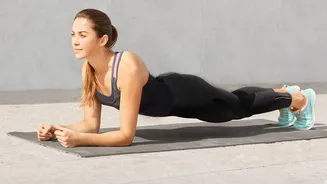
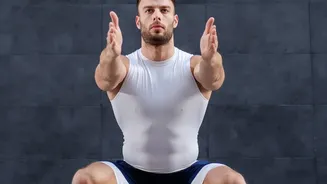
You don't need a gym or heavy equipment to begin. Your own body weight provides excellent resistance. Try incorporating these four functional exercises into your routine: 1. Bodyweight Squats: This move mimics sitting and standing. It strengthens your legs and core. Stand with feet shoulder-width apart and lower your hips as if sitting in a chair, keeping your chest up before driving back up to a standing position. 2. Push-ups (or Wall Push-ups): This builds upper body strength for pushing doors, carts, or yourself up from the floor. Start with your hands on a wall for an easier variation, progressing to your knees or toes on the floor. 3. Reverse Lunges: Excellent for single-leg strength and balance, which you use constantly when walking or climbing stairs. Step one foot straight back, lowering both knees to about 90-degree angles before returning to the start. 4. Plank: A strong core is the foundation of almost every movement. Hold a push-up position (on your forearms for a variation), keeping your body in a straight line from head to heels. This builds the stability needed to protect your back.
Consistency Beats Intensity
The key to seeing real-world benefits is consistency, not crushing yourself in every workout. Aim for two to three short strength sessions per week. Focus on performing each movement with good form rather than rushing through repetitions. The goal is to finish your workout feeling energized, not exhausted. As you get stronger, you can increase the number of repetitions or try more challenging variations, but the most important step is simply starting and sticking with it. Your body will thank you during every daily task you perform.