







What is Metabolic Agility?
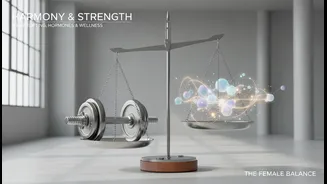
Think of metabolic agility, or metabolic flexibility, as your body's ability to be a smart and efficient engine. It’s the capacity to seamlessly switch between burning different fuel sources—namely carbohydrates and fats—depending on what’s available
and what your body needs at that moment. Someone with good metabolic flexibility can burn the glucose from a meal for immediate energy and then, hours later, easily switch to burning stored body fat. This adaptability is a key sign of a healthy, resilient metabolism. When this process becomes rigid or inefficient, a condition known as metabolic inflexibility, it can contribute to issues like insulin resistance, fatigue, and difficulty managing weight.
The Engine of Your Metabolism: Lean Muscle
The single biggest factor influencing your metabolic rate isn't an exotic supplement or a magic food; it's your muscle mass. Muscle is metabolically active tissue, meaning it burns calories even when you're resting. A pound of muscle burns significantly more calories at rest than a pound of fat. So, the more lean muscle you have, the higher your resting metabolic rate (RMR), and the more energy your body expends around the clock. But muscle’s role goes beyond just burning calories. Skeletal muscle is the primary site for glucose disposal in the body. It acts like a sponge, soaking up sugar from your bloodstream, which helps maintain stable blood sugar levels and improves insulin sensitivity.
Why Heavy Lifting is Key
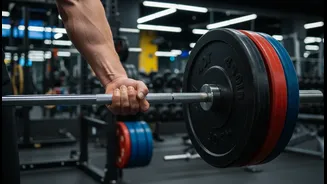
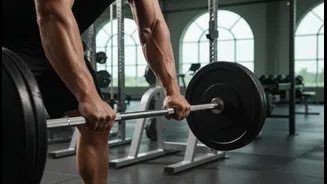
While any physical activity is beneficial, heavy resistance training is uniquely effective at building dense, high-quality muscle tissue—a process known as hypertrophy. Lifting heavy weights creates a specific stimulus that signals your muscles to repair and grow stronger and larger. This is different from lighter, high-repetition workouts, which primarily build muscular endurance. To build the kind of metabolically active muscle that enhances metabolic agility, you need to challenge your body with progressive overload—gradually increasing the weight, reps, or sets over time. Compound exercises like squats, deadlifts, and presses are particularly efficient as they engage multiple large muscle groups at once, providing a powerful metabolic stimulus.
The 'Bulky' Myth: Busted
One of the most persistent myths that deter women from lifting heavy is the fear of becoming 'bulky'. This concern is largely unfounded. Women have significantly lower levels of testosterone than men, the primary hormone responsible for large increases in muscle mass. Building a 'bulky' physique requires a very specific, intense training regimen combined with a high-calorie diet and, often, years of dedicated effort. For the vast majority of women, lifting heavy will lead to a stronger, leaner, and more toned appearance, not a bodybuilder's frame. The focus should be on the incredible health benefits, from stronger bones to a more efficient metabolism.
The Indian Context: A Pressing Need
This advice is especially pertinent for young Indian women. Research shows that South Asians have a genetic predisposition to insulin resistance and a higher percentage of body fat at a lower Body Mass Index (BMI) compared to other populations—a phenomenon sometimes called 'thin-fat'. This makes them more susceptible to metabolic conditions like Polycystic Ovary Syndrome (PCOS), which affects a staggering number of Indian women, and type 2 diabetes, even at a seemingly normal weight. With rising rates of sedentary lifestyles and processed food consumption, metabolic syndrome is now a major public health concern in India. Building and maintaining lean muscle through strength training is one of the most effective strategies to counteract these risks, improving insulin sensitivity and providing a powerful buffer against metabolic disease.
More Than Just Metabolism
The advantages of heavy lifting extend far beyond metabolic agility. It is one of the best ways to build bone density, which is crucial for women as they age to reduce the risk of osteoporosis. It enhances hormonal balance, improves mood by releasing endorphins, and boosts confidence and self-esteem. Gaining physical strength translates into greater capability in daily life, from carrying groceries to playing with kids. It is an investment that pays dividends for your physical and mental well-being for decades to come.