
Transform Your Bathroom Routine
The bathroom is where a significant portion of domestic water is used. The Bureau of Indian Standards sets a benchmark of 135 litres per person per day for essential needs, with a large part of this consumed in the bathroom. A simple switch from a long
shower to a bucket bath can save a substantial amount of water. Fixing leaks is another critical step; a single dripping tap can waste thousands of litres a year. Encourage family members to turn off the tap while brushing their teeth or lathering soap. For toilets, consider upgrading to a dual-flush system, which allows you to use less water for liquid waste. A DIY alternative is placing a filled one-litre bottle in the cistern to reduce the amount of water used per flush.
The Smart and Thrifty Kitchen
Your kitchen habits can also make a big splash in water conservation. Instead of washing fruits and vegetables under a running tap, use a bowl of water. This water can then be reused for watering plants. When washing dishes by hand, don't let the water run continuously. Fill one sink or basin with soapy water for washing and another with clean water for rinsing. If you use a dishwasher, make sure to run it only with a full load. Similarly, when cooking, use the appropriate-sized pot and just enough water to cover the food. Small adjustments like these add up, reducing your overall consumption without compromising on hygiene or convenience.
Rethink Your Laundry Practices
Laundry is a major water consumer in any household. The most effective way to save water here is to run your washing machine only when you have a full load. Many modern machines have eco-friendly or water-saver modes that adjust the water level to the size of the load. For heavily soiled clothes, pre-soaking them in a bucket can be more effective and use less water than a machine's pre-wash cycle. The rinse water, often called greywater, from washing clothes can be collected and used for mopping floors or cleaning outdoor areas, extending the life of every drop.
Unlock the Potential of RO Reject Water
Reverse Osmosis (RO) purifiers are common in Indian homes, but they produce a significant amount of reject wastewater. This water has a higher concentration of Total Dissolved Solids (TDS) and is not fit for drinking, but it's a valuable resource for other tasks. You can collect this water and use it for mopping floors, cleaning bathrooms, and flushing toilets. It is also excellent for washing vehicles or cleaning balconies or driveways. By routing the reject water pipe into a storage drum or bucket, you can easily create a reservoir for these non-potable uses, effectively doubling the efficiency of the water that enters your home.
Cultivate a Water-Wise Garden
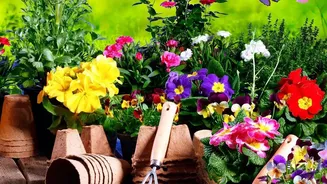
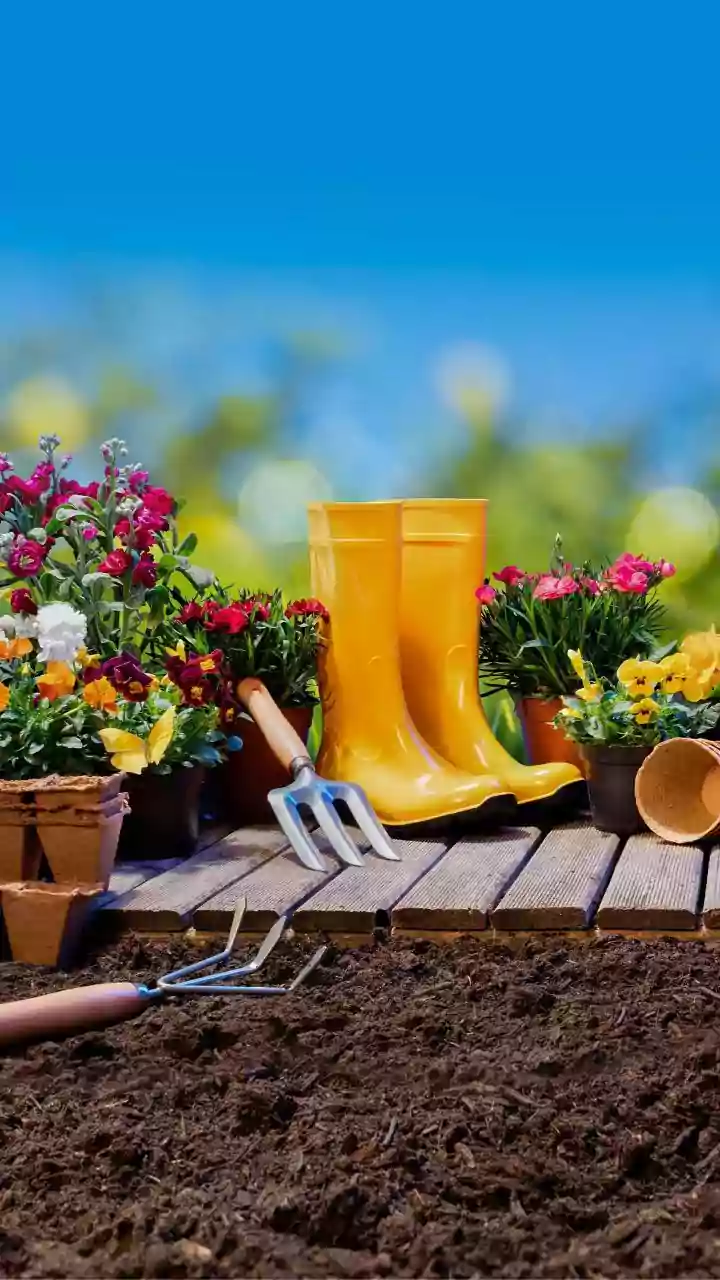
Gardening doesn't have to be a water-intensive hobby. The key is to choose the right plants and watering methods. Opt for native, drought-tolerant species that are adapted to the Indian climate, such as Bougainvillea, Aloe Vera, and Portulaca (Moss Rose). These plants thrive with less water once established. Water your plants early in the morning or late in the evening to reduce evaporation. Instead of a spray, use a watering can to direct water to the roots where it's needed most. Applying a layer of mulch, like wood chips or dried leaves, around your plants can also help the soil retain moisture for longer, reducing the need for frequent watering.