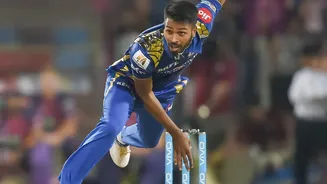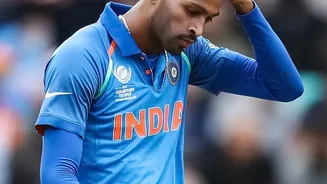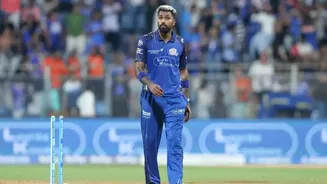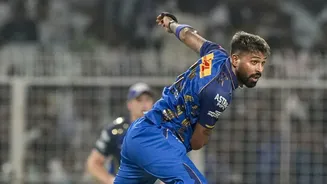



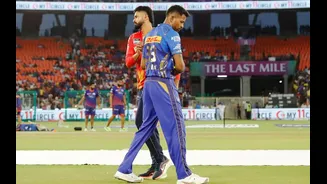
It was scripted as a triumphant return for a homegrown hero. When Hardik Pandya came back to Mumbai Indians, it was meant to be a blockbuster. But the dream quickly soured, turning into a cautionary tale of ambition, fan sentiment, and performance.
The Celebrated Return
In
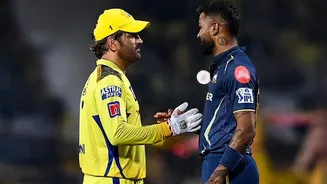
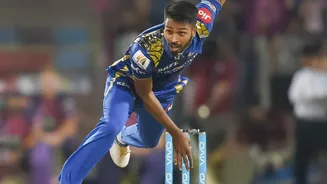
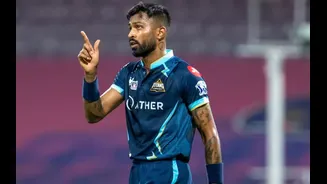
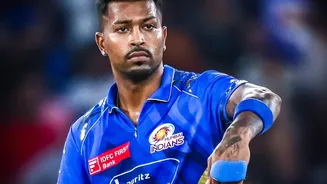
late 2023, the Indian Premier League witnessed one of its most seismic trades. Hardik Pandya, the man who had led the Gujarat Titans to a championship in their debut 2022 season and a runner-up finish in 2023, was traded back to his old franchise, Mumbai Indians. This wasn't just any transfer; it was a homecoming for a player MI had nurtured from 2015. The franchise framed it as a move to be 'future-ready'. The shock, however, came with the announcement that Pandya would replace Rohit Sharma, the beloved captain who had steered the team to five IPL titles, as the new skipper. On paper, it was a bold, strategic move to inject new leadership. In reality, it was the first crack in what would become a fractured season.
A Hostile Homecoming
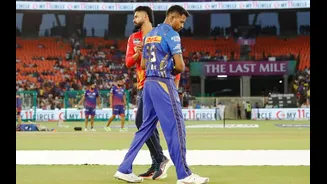
The backlash from fans was immediate and visceral. Supporters, loyal to Rohit Sharma for his decade of unparalleled success, felt the transition was unjust and disrespectful. The sentiment wasn't just confined to social media, where MI lost hundreds of thousands of followers in the hours after the announcement. It spilled onto the field in the IPL 2024 season. In a spectacle rarely seen in the league, Hardik Pandya was repeatedly booed and jeered by crowds at various stadiums, including at Mumbai's own Wankhede Stadium. The pressure was immense, with commentators even pleading with the home crowd to 'behave'. This hostile environment created a tense backdrop for his captaincy before he had even overseen a single victory.
Captaincy Under the Microscope
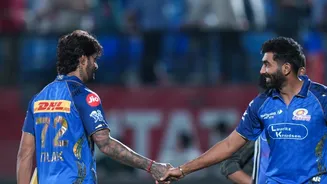
Pandya’s captaincy record with Gujarat was stellar, with 22 wins in 31 matches. But the magic did not follow him to Mumbai. The 2024 season was disastrous. The team struggled to find its footing, and Pandya's on-field decisions came under heavy scrutiny. Choices like opening the bowling himself ahead of the world-class Jasprit Bumrah were questioned, especially when they failed to yield positive results. The team's performance plummeted, and they became the first to be eliminated from playoff contention, ultimately finishing at the bottom of the table with just four wins in 14 matches. The stark contrast between his 71% win rate at GT and his 29% win rate in his first season back at MI told a clear story.
A Shadow of His Former Self
The pressure appeared to affect his individual performance as well. The all-rounder who had been a destructive force with both bat and ball looked like a different player. In the 2024 season, he scored 216 runs in 14 matches at a low average of 18.00. His strike rate of 143 was respectable in isolation, but often, his innings lacked the match-winning impact he was known for, sometimes scoring slowly when the team needed acceleration. With the ball, he took 11 wickets but had an expensive economy rate of 10.75. This was a far cry from his 2022 title-winning season with Gujarat, where he scored 487 runs and was a crucial component of the team's success.
The End of the Experiment
While there was a brief revival in 2025 as he led MI to the playoffs, the 2026 season saw another slump, with the team finishing ninth. The three year experiment had failed to produce a trophy. By November 2026, the chapter was officially closed. In another blockbuster trade, Hardik Pandya was sent to Punjab Kings, bringing his tumultuous second stint with Mumbai to an end. The move not only marked the end of a difficult era but also ignited speculation about the return of Rohit Sharma to the captaincy, a development fans had been clamoring for since the ill fated transition began.