




An Appetite for the Skies
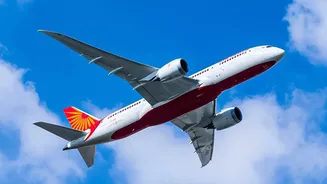
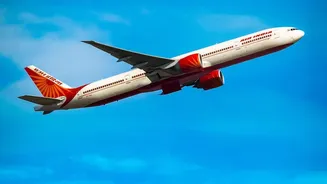
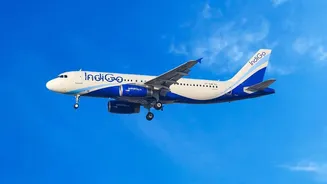
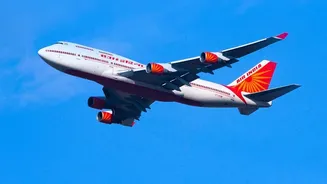
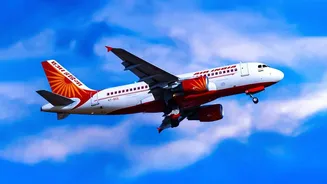
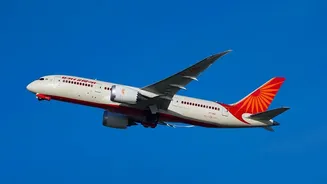
India's aviation market is one of the fastest-growing in the world. To cater to a burgeoning middle class and enhance connectivity, Indian carriers have placed staggering orders for new planes. Airlines like IndiGo, Air India, and Akasa Air have collectively
ordered well over 1,200 aircraft from global manufacturing giants Airbus and Boeing. These orders, including IndiGo's record-setting deal for 500 Airbus jets and Air India's 470-plane commitment, are meant to fuel a massive expansion in both domestic and international routes. Minister Piyush Goyal noted that the country's total requirement is over 2,000 aircraft, signaling that another 1,000 planes could be ordered soon to meet projected demand.
The Global Production Bottleneck
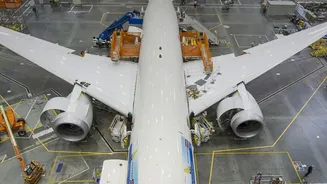
The problem isn't a lack of ambition but a severe global supply-side crunch. Aircraft manufacturers are struggling to keep pace with a worldwide surge in demand. The entire aerospace supply chain is under immense pressure, dealing with lingering disruptions from the pandemic, geopolitical instability, and skilled labor shortages. This has created a massive backlog, with more than 17,000 aircraft on order globally. For Indian airlines, this means long waits for their new planes, with some delivery schedules stretching as far out as 2034. Goyal has stated that the Indian government is actively pursuing these manufacturers to expedite deliveries, highlighting the urgency of the situation.
Engines and Parts: The Weakest Links
The delays are not just about final assembly. Critical component shortages, especially for engines, are a major factor. Both major engine makers, Pratt & Whitney (P&W) and CFM International, have faced production hurdles and reliability issues. Specific problems with P&W engines have led to the grounding of a significant number of aircraft within India, compounding the capacity shortage. Airlines are often forced to wait for essential parts like castings and forgings, which come from a limited number of specialized sub-tier suppliers who are themselves overwhelmed. This complex, interconnected global supply chain means a disruption in one part of the world can delay a plane's delivery in India.
The Real-World Impact for India
This supply gap has tangible consequences. It threatens to slow down the expansion of routes, particularly to smaller cities under regional connectivity schemes. With fewer new, fuel-efficient aircraft entering service, airlines are forced to operate older planes for longer, leading to higher maintenance and fuel costs. They may also need to lease more expensive aircraft as a stopgap measure. These increased operational costs could eventually translate to higher airfares for passengers. Furthermore, the shortage constrains the ability of Indian carriers to compete effectively on international routes, a key part of the government's vision to make India a global aviation hub. The 'acute' shortage, as described by Goyal, is now a primary obstacle to the next phase of growth for the entire sector.