



Coorg, Karnataka: The Scent of Coffee and Mist
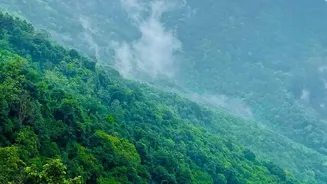
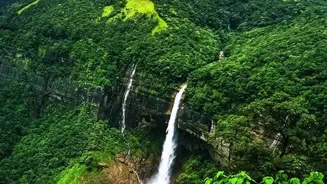
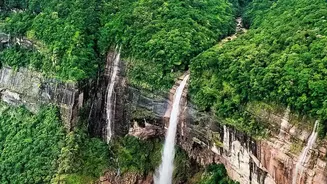
Often called the 'Scotland of India', Coorg is arguably at its most beautiful right after the monsoon. The landscape, dominated by coffee and spice plantations, is impossibly lush, and the air carries the fragrance of wet earth and pepper vines. This
is the time when its famous waterfalls, like Abbey and Iruppu Falls, are at their thunderous best, cascading powerfully amidst the greenery. The weather is perfect for leisurely drives through winding roads shrouded in mist or for simply finding a quiet homestay to sip freshly brewed coffee while watching the clouds drift by. For the more adventurous, trekking trails become accessible again, offering stunning views of the rain-washed Western Ghats.
Wayanad, Kerala: A Paradise of Green
Wayanad in Kerala becomes a verdant paradise post-monsoon, offering a perfect blend of freshness and clarity. The heavy rains leave behind a district that feels reborn, with its dense forests, sprawling spice plantations, and mist-covered mountains looking vibrant and alive. Key attractions like the three-tiered Meenmutty and Soochipara Falls are full and spectacular. The period from October to November is particularly ideal, as the skies clear up, making it perfect for sightseeing, boating on the Banasura Sagar Dam, or trekking to the ancient Edakkal Caves. It's a time when you can experience the raw energy of nature without the constant downpour of the peak monsoon months.
Pachmarhi, Madhya Pradesh: Queen of the Satpuras
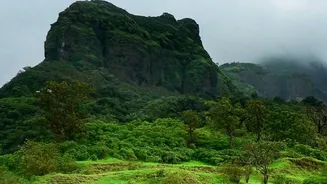
Central India's hidden gem, Pachmarhi, truly comes into its own after the rains. Known as the 'Queen of Satpura', this hill station is a landscape of dramatic gorges and powerful waterfalls from July through September and into October. Waterfalls that are mere trickles in summer, such as the 107-metre Rajat Prapat (Big Fall) and the mighty Bee Falls, become spectacular roaring cascades. The surrounding sal forests are dense and green, and viewpoints like Handi Khoh offer breathtaking sights of gorges filled with clouds. While the core wildlife safari zone of the Satpura Tiger Reserve remains closed until the end of September, the rest of the biosphere reserve is open, offering misty treks and serene forest walks in a much quieter atmosphere than the peak winter season.
Ziro Valley, Arunachal Pradesh: A Golden Spectacle
For a truly unique post-monsoon experience, Ziro Valley in Arunachal Pradesh is unparalleled. As the rains begin to ease in September, the valley's distinctive landscape of paddy-cum-fish farms transforms into a stunning carpet of gold. This is harvest season for the Apatani tribe, and the entire valley is abuzz with activity against a backdrop of pine-clad hills. The weather becomes pleasant and clear, making it an ideal time for trekking and exploring the Apatani villages. Adding to the allure, the internationally famous Ziro Music Festival is often held in late September, blending indie music with the breathtaking natural beauty of the valley. The post-monsoon months of October and November continue to offer clear skies and lush landscapes, perfect for photography and cultural immersion.
Valley of Flowers, Uttarakhand: A Himalayan Carpet
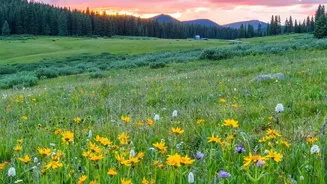
A UNESCO World Heritage Site, the Valley of Flowers is a high-altitude Himalayan valley that puts on its most spectacular show during and immediately after the monsoon. While peak bloom is often in July and August, the season extends through September, offering a different but equally beautiful vista. The rains bring an explosion of colour, with hundreds of species of alpine flowers blanketing the meadows. Trekking to the valley from the base village of Ghangaria is a journey through misty trails and lush mountainscapes. Post-monsoon, the crowds tend to thin, and the air becomes crisper, offering clearer views of the surrounding peaks. It’s essential to check conditions before you go, as the trek can be challenging with muddy and slippery trails.