



The Northern Vrat: A Sattvic Standard
In North India, states like Punjab, Haryana, Uttar Pradesh, and Delhi see Navratri as a period of spiritual discipline and purification. Many people observe a nine-day fast, or 'vrat', adhering to a Sattvic diet. This ancient Ayurvedic concept categorises
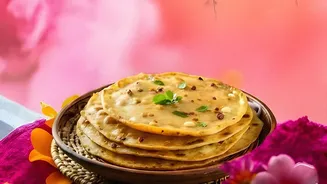
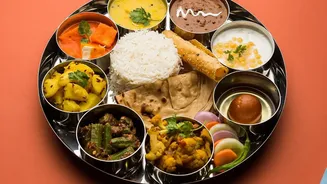
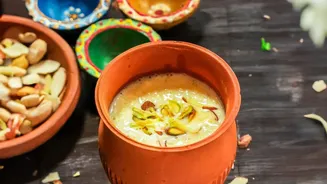
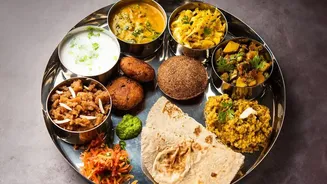
food as Sattvic (pure, light), Rajasic (stimulating), or Tamasic (dulling). During Navratri, the goal is to consume Sattvic foods that calm the mind and aid digestion. This means avoiding grains like wheat and rice, lentils, onions, garlic, and regular table salt. Instead, kitchens are stocked with alternatives like buckwheat flour (kuttu), water chestnut flour (singhara), and barnyard millet (samak rice). Dishes like kuttu ke pakore, sabudana khichdi made with tapioca pearls, and creamy makhana kheer are staples. Rock salt, or sendha namak, replaces common salt, and fresh fruits and dairy products like paneer and yogurt play a key role.
Western India's Farali Feasts
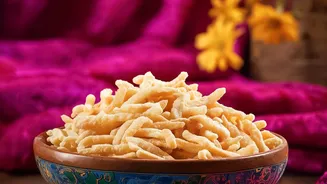
Travel west to Gujarat and Maharashtra, and the fasting food, known as 'farali', takes on a more elaborate and flavourful character. The term 'farali' comes from 'phal aahar', meaning a diet of fruits, but has expanded to include a variety of permitted ingredients. While the core principles of avoiding grains and pulses remain, the dishes are anything but restrictive. Sabudana vada, a crispy deep-fried snack, and Farali Pattice, potato patties filled with coconut and nuts, are beloved treats. You'll also find creative adaptations like farali dhokla made from barnyard millet and even farali versions of snacks like bhakarwadi. The philosophy here is less about austerity and more about creating delicious, satisfying meals within the fasting framework, turning the nine days into a culinary celebration in its own right.
Bengal's Grand Celebration: A Feast for the Goddess
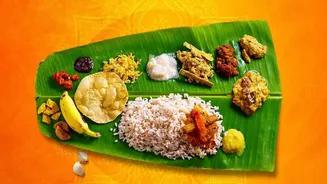
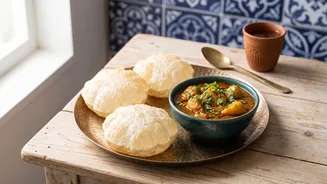
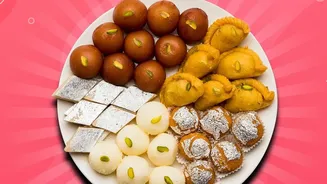
In stark contrast, Eastern India, particularly West Bengal, Assam, and Odisha, celebrates Durga Puja during the same period, and it is a time for feasting, not fasting. Here, Goddess Durga is welcomed as a daughter returning home, and the focus is on celebration and hospitality, which includes indulging in the best food. While vegetarian 'bhog'—a sacred food offering of khichuri, labra (a mixed vegetable dish), and sweets—is served at community pandals, home kitchens are a different story. Many Bengali families prepare elaborate non-vegetarian meals featuring fish and mutton. Dishes like kosha mangsho (slow-cooked mutton curry) and machher jhol (fish curry) are central to the festive experience. This practice is rooted in the regional culture, where fish is a staple and a symbol of auspiciousness. The idea that non-vegetarian food is eaten during a major Hindu festival often surprises those from other parts of India.
Southern Traditions: Golu and Sundal
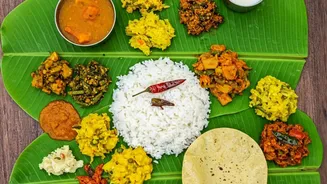
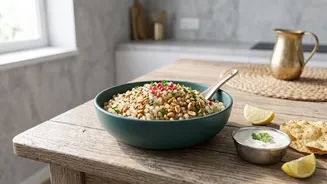
In the southern states of Tamil Nadu, Karnataka, and Andhra Pradesh, Navratri is celebrated with the beautiful tradition of 'Golu' or 'Kolu'—an elaborate display of dolls. Food plays a crucial role here too, but the star of the show is 'sundal'. Sundal is a simple yet protein-rich dish made from different legumes and pulses, such as chickpeas, black-eyed peas, or peanuts. A different variety of sundal is prepared each of the nine evenings as a 'neivedhyam' (offering to the goddess) and then distributed as 'prasadam' to guests who visit to see the Golu display. These savory snacks are typically seasoned with mustard seeds, curry leaves, and grated coconut, and are prepared without onion or garlic. While some families observe a fast, the emphasis is on these daily offerings and community sharing.