


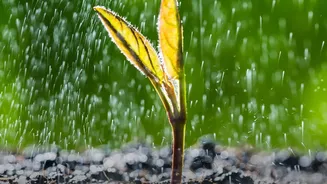
The Science of Monsoon Watering
During hot, dry summer months, plants lose a significant amount of water through their leaves in a process called transpiration. High temperatures also cause moisture to evaporate quickly from the soil. The monsoon flips this equation. The air becomes
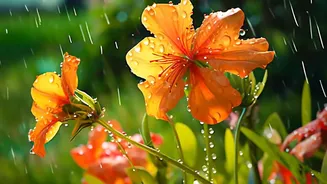
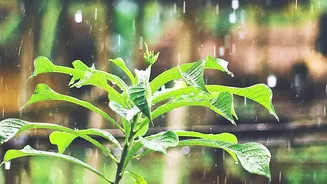
saturated with moisture, and this high humidity dramatically slows down the rate of transpiration. Plants lose less water to the atmosphere, so they don’t need to draw as much from the soil. Additionally, cloudy skies and cooler temperatures mean less water evaporates from your pots, keeping the soil moist for much longer than in summer. Rainwater itself also provides a natural, soft watering that is free of the salts sometimes found in tap water.
The Danger of Overwatering
Continuing a summer watering schedule during the monsoon is one of the most common mistakes a balcony gardener can make. The biggest killer for potted plants during this season is not pests or disease, but 'wet feet'. When soil is constantly saturated, it becomes waterlogged, cutting off the oxygen supply to the roots. Without oxygen, roots can't function properly; they can't absorb nutrients and will begin to suffocate and die, leading to a condition called root rot. This creates a favorable environment for fungal diseases that thrive in damp conditions. Ironically, the symptoms of overwatering—wilting and yellowing leaves—can look exactly like a plant that is thirsty, tempting you to water it even more and worsening the problem.
How to Water Correctly This Season
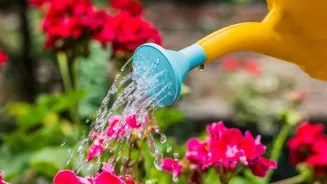
The golden rule of monsoon watering is simple: abandon your fixed schedule and check the soil first. The most reliable method is the finger test. Push your finger about one to two inches into the soil. If it feels dry at that depth, it's time to water. If it feels moist, wait another day or two and check again. Most plants will not need daily watering. When you do water, do so in the morning to allow any excess moisture on the leaves to evaporate during the day, which helps prevent fungal growth. For plants directly exposed to rain, you may not need to water them manually at all. Your main job becomes ensuring they are not sitting in water.
Ensure Proper Drainage Is Your Top Priority
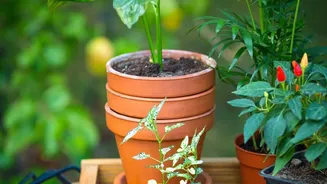
Good drainage is non-negotiable during the monsoon. Before the rains set in, ensure every pot has clear, unobstructed drainage holes. If a pot is sitting in a saucer or tray, make it a habit to empty any collected water promptly. Letting a pot stand in water is a guaranteed way to induce root rot. For extra protection, you can place pots on small stands or bricks to elevate them slightly, allowing air to circulate underneath and helping excess water drain away freely. Using a light, well-aerated potting mix with ingredients like coco peat or perlite, rather than heavy garden soil, will also significantly improve drainage and keep roots healthy.
Know the Signs and Exceptions
Keep an eye out for tell-tale signs of overwatering. Soft, limp yellow leaves, especially older ones near the base of the plant, are a classic symptom. Mushy stems or a foul, musty smell from the soil are also red flags indicating root decay. While most plants need less water, there are exceptions. Plants in small terracotta pots, which dry out faster, or those situated under a deep roof or overhang that blocks rain might still need regular checks. Also, certain plants that thrive in wet conditions, like ferns and colocasia, will be perfectly happy with the extra moisture, while succulents and cacti should be moved to a sheltered spot to protect them from constant rain.