



What Exactly is Agrivoltaics?
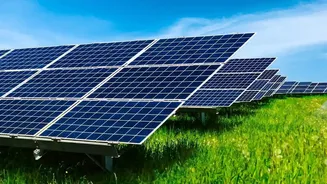
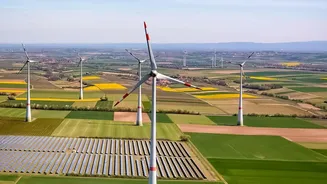
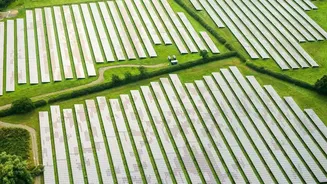
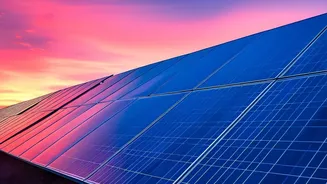
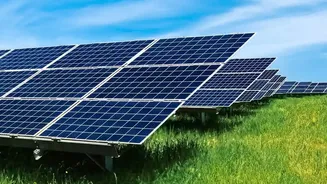
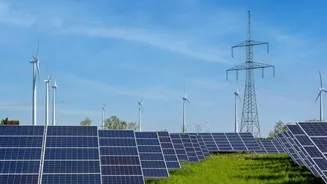
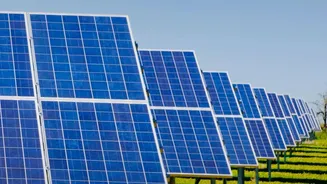
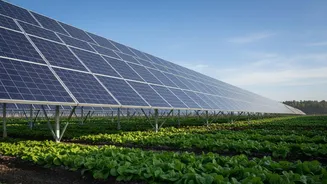
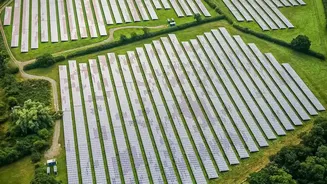
At its core, agrivoltaics is a simple but powerful idea: using the same piece of land for both agriculture and solar power generation. Instead of covering vast tracts of arid land with solar panels, this approach installs them on elevated structures,
high enough for crops to be cultivated underneath or for livestock to graze. This dual-use model addresses the growing competition for land between food security and energy security. For farmers, it presents an opportunity to diversify their income, earning money from selling electricity to the grid while still producing their regular crops.
The Old Conflict: Sunlight vs. Shade
Traditionally, the biggest question mark over agrivoltaics was shade. Solar panels, by necessity, block sunlight. For decades, this was viewed as a fundamental drawback, with the assumption that less light would automatically lead to lower crop yields. This created a zero-sum calculation where any gain in energy came at the cost of agricultural productivity. Farmers and researchers were primarily concerned that the shading effect would stunt growth, making the combination unviable for many essential crops. This perspective often limited projects to either barren lands or those cultivating only the most shade-tolerant species.
A Paradigm Shift: Shade as a Feature, Not a Bug
India's latest agrivoltaics drive is built on a crucial reassessment: in a hot, sun-drenched climate, shade is not always a liability. In fact, it can be a significant asset. The partial shading from solar panels creates a cooler, more stable microclimate on the ground below. This reduces heat stress on plants, which can be damaging during intense afternoon sun. Furthermore, the shade lowers the rate of water evaporation from the soil, leading to significant water savings—a critical advantage in a water-scarce country. Research shows this can improve soil moisture and allow plants to grow more efficiently, turning the conventional wisdom about shade on its head.
Crops That Thrive in the New Model
This new understanding is backed by growing evidence. Pilot projects, including pioneering work at the Central Arid Zone Research Institute (CAZRI) in Jodhpur, have shown that many crops perform surprisingly well, and some even better, under solar panels. Shade-loving crops like ginger and turmeric are obvious candidates, but studies have shown increased yields for certain vegetables and leafy greens. In some cases, the protection from extreme heat and better water retention leads to healthier plants and more stable output. While not all crops are suitable—some sun-loving staples may see reduced yields—the list of compatible plants is expanding as research continues, including various vegetables, spices, and fodder crops.
Powering a National Strategy
This reframing of agrivoltaics aligns perfectly with India's national goals. The government's PM-KUSUM scheme, designed to boost solar energy in agriculture and enhance farmer incomes, is a key driver. An updated version, PM-KUSUM 2.0, is expected to include a dedicated component for agrivoltaics, signalling strong policy support. By encouraging farmers to become producers of both food and energy—'annadata' and 'urjadaata'—the government aims to improve rural livelihoods, reduce the massive subsidy burden for agricultural electricity, and cut down on diesel pump usage. Agrivoltaics offers a practical path to achieving these goals while simultaneously making agriculture more resilient to climate change.