



The Great Transformation
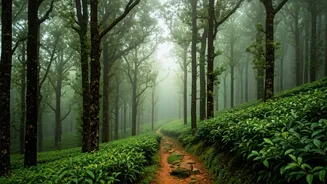
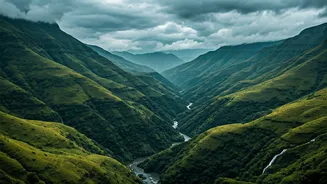
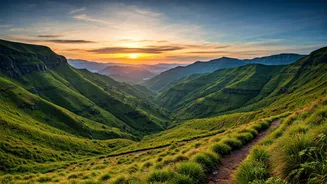
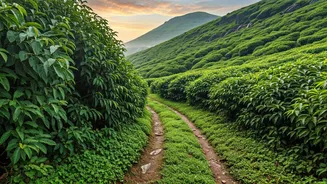
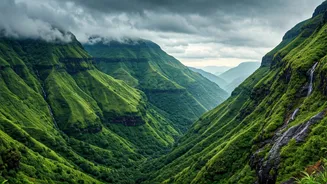
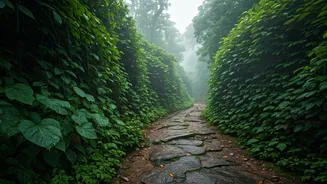
The arrival of the southwest monsoon in June is nothing short of a rebirth for the Western Ghats, a UNESCO World Heritage Site. The parched earth soaks up the rain, and within days, a vibrant green blanket smothers the landscape. This change is dramatic
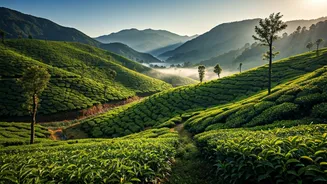
and all-encompassing. Hills that were muted and dry are suddenly draped in countless shades of green, from the fresh lime of new shoots to the deep emerald of ancient forests. The air, once thick with summer heat, becomes cool and heavy with the scent of wet soil, or petrichor, mixed with the fragrance of blooming wildflowers. This transformation is the opening act of the monsoon, a powerful display of nature's ability to rejuvenate and create breathtaking beauty from a thirsty land.
A Symphony of Water
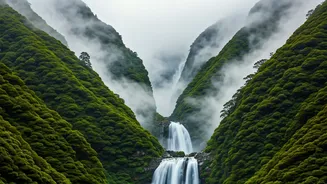
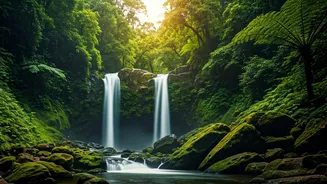
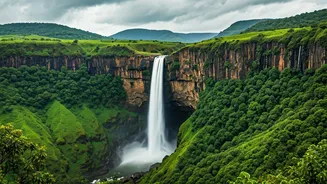
The defining feature of the monsoon in the Ghats is water. It is everywhere. Rain falls not just as a drizzle, but often in theatrical downpours that can last for hours, creating a constant, rhythmic drumming. This abundance of water feeds the countless streams and rivers that carve their way through the mountains. Waterfalls, many of which are mere trickles in the dry season, are reborn as roaring giants. Cascades like those in Agumbe or Amboli thunder down cliffs, sending plumes of mist into the air that drift across valleys and roads. The sound of rushing water becomes the constant soundtrack to life in the Ghats, a powerful reminder of the monsoon's raw energy and its role as the lifeblood of the region.
Biodiversity in Full Bloom
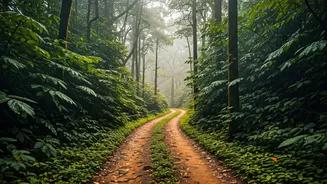
The Western Ghats are one of the world's eight "hottest hotspots" of biological diversity, and the monsoon is when this life is at its most active and visible. The rains trigger a flurry of activity. Amphibians, in particular, come alive, with many species emerging only during this season to breed. The calls of frogs, from the rare Malabar Gliding Frog to various colourful bush frogs, fill the night air. The dense, wet forests are a haven for thousands of species of plants, insects, birds, and mammals. Trekking trails, while often muddy and frequented by harmless leeches, offer a chance to witness this explosion of life up close, from rare orchids and glowing fungi to the sight of an elephant herd moving through the misty landscape.
Embracing the Monsoon Life
For the communities that call the Ghats home, the monsoon is a deeply ingrained part of the cultural and agricultural calendar. Life adapts to the rhythm of the rain. The season dictates the planting of crops and brings with it a cooler, more introspective pace of life. For the visitor, this translates into a unique travel experience. Instead of a packed itinerary, the joy is in slowing down. It’s about finding a cosy homestay or a colonial-era bungalow in a hill station like Matheran, sipping hot tea while watching the clouds roll in, and taking walks during breaks in the rain. The drama is not just in the views, but in the peaceful surrender to the weather's whims.
Where to Witness the Magic
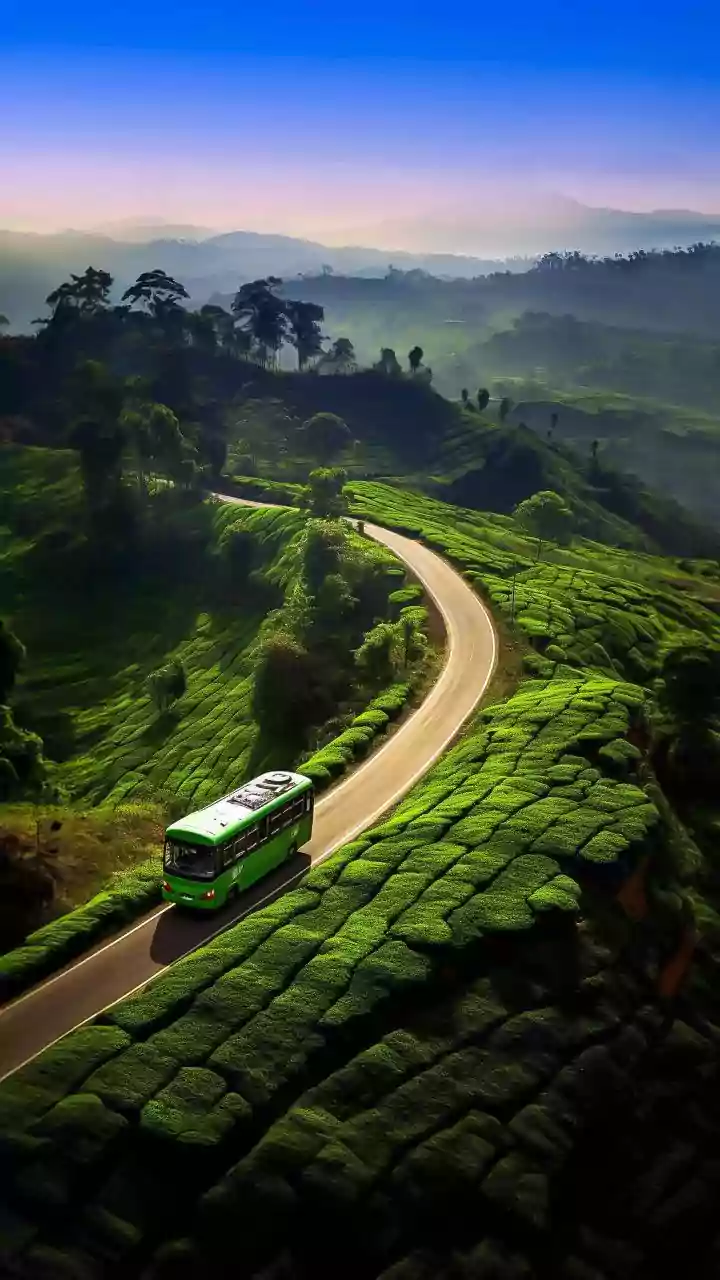
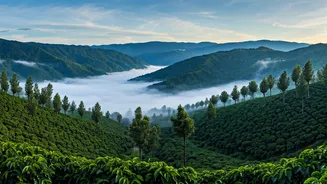
The Western Ghats stretch over 1,600 kilometres, offering numerous destinations to experience the monsoon. In Maharashtra, hill stations like Mahabaleshwar and Lonavala become lush and misty, with scenic drives and viewpoints. Further south, Agumbe in Karnataka, known as the 'Cherrapunji of the South', offers a raw, intense rainforest experience. The tea plantations of Munnar in Kerala seem to float amidst the clouds, while Coorg's coffee estates and misty peaks in Madikeri provide a picture-perfect setting. Each region has its own unique charm, from the quiet, car-free lanes of Matheran to the dense forests and trekking trails of Wayanad.