





The Dramatic Wall Tapestry
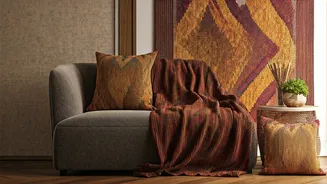
Forget a standard framed print. A large-scale textile hung on the wall creates immediate warmth, texture, and drama. It’s a perfect solution for a blank wall behind a sofa or in a high-ceilinged entryway. The key is choosing a fabric with enough weight
and visual presence. Look for sturdy, flat-woven pieces like a Turkish or Afghan Kilim, known for their geometric patterns and rich, earthy tones. For a more bohemian or eclectic vibe, consider a Moroccan Boucherouite rug, a vibrant, shaggy tapestry made from recycled textiles. When hanging, use a simple curtain rod or a dedicated tapestry hanger to ensure the fabric hangs cleanly and doesn't get damaged.
One-of-a-Kind Throw Pillows
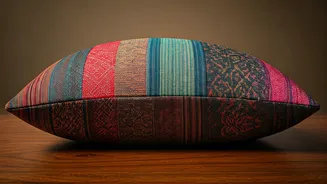
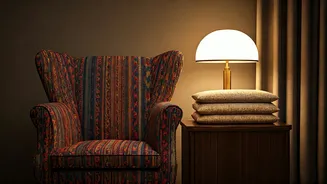
If you’re looking for a low-commitment, high-impact update, new throw pillows are the answer. Using handloom fabrics turns them from simple accessories into miniature works of art. A single yard of fabric can often yield a pair of beautiful pillows. For sharp, graphic patterns, you can’t beat Indian Ikat, with its signature blurred edges created by a complex dye-resist process. West African mudcloth (Bògòlanfini) offers bold, symbolic black-and-white or earthy-toned designs. You can buy pre-made pillow covers from artisan marketplaces or, if you’re crafty, sew your own. Mix and match patterns within a cohesive color palette for a curated, layered look on your sofa or accent chair.
Frame Fabric as Fine Art
Some textiles are too intricate or delicate to be used for pillows or upholstery. For these special pieces, framing them is the perfect way to honor their craftsmanship and protect them from wear. A small, beautifully embroidered swatch from a Guatemalan huipil or a piece of Japanese Shibori silk with its delicate tie-dye pattern can become a stunning focal point when properly mounted and framed. Use a shadow box to give the fabric depth, or have it professionally mounted on an acid-free board and placed behind UV-protective glass. Grouping several smaller framed textiles together can create a compelling gallery wall with global flair and personal meaning.
A Daring Upholstery Project
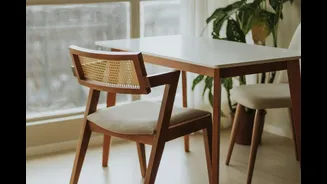
For the more ambitious DIYer, reupholstering a small piece of furniture can completely transform both the object and the room. An old footstool, an ottoman, or the seat of a dining chair are all excellent candidates for this kind of project. Choose a durable, tightly woven fabric that can withstand use. Colorful and dense Mexican Otomi textiles, with their whimsical animal and plant motifs, are a fantastic choice for an accent piece that sparks joy. Similarly, a thick, striped fabric from Peru can give a simple bench a bold new identity. Before you start, make sure the fabric is robust enough for upholstery, and don't be afraid to consult a professional for larger or more complex pieces.
The Artful and Functional Throw
The easiest way to introduce a handloom textile into your living room is through a beautiful throw blanket. Draped over the arm of a chair, folded at the end of a sofa, or layered on an ottoman, a throw adds an instant touch of color, pattern, and coziness. There are countless options to explore. A Ghanaian Kente cloth, with its bright, block-like patterns, brings vibrant energy. For a more neutral, texture-focused look, consider a thick, undyed wool blanket from the Andes or a simple, striped cotton throw from India. It's a functional piece of decor that invites you to curl up while also telling a story of its origin and creation.