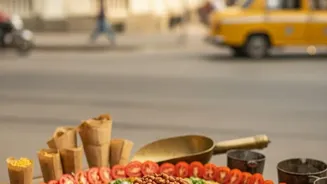

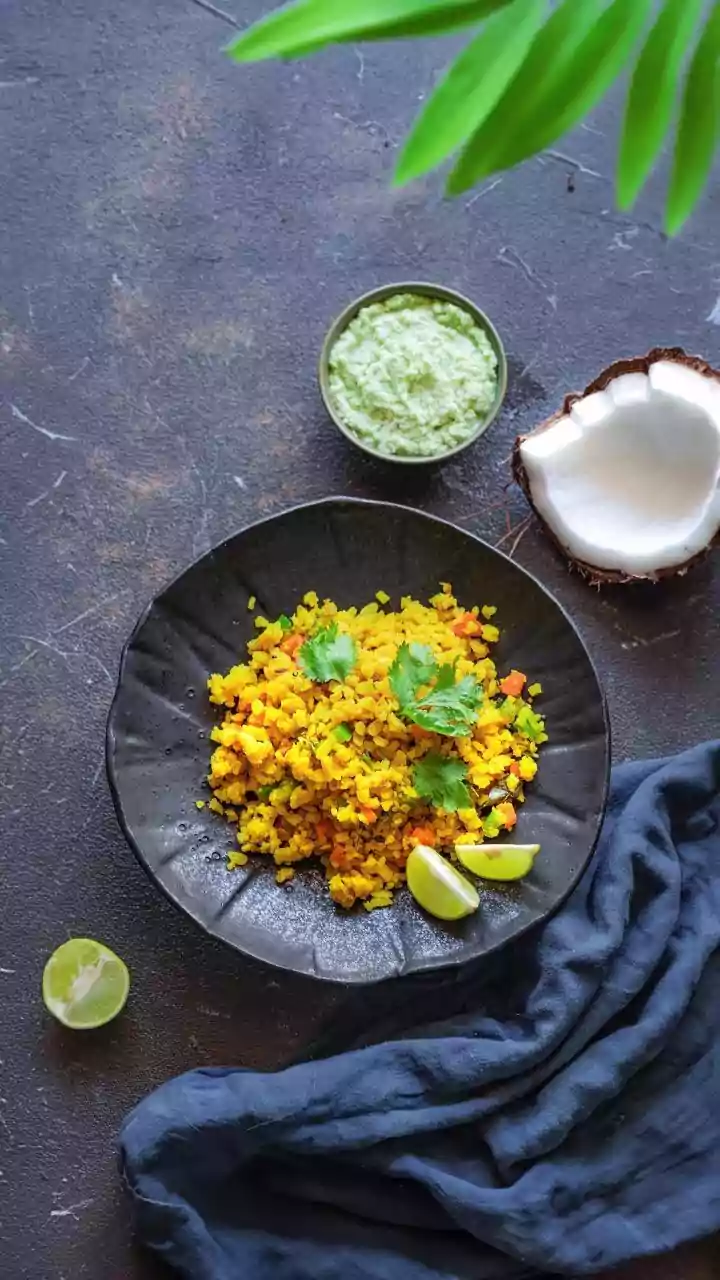

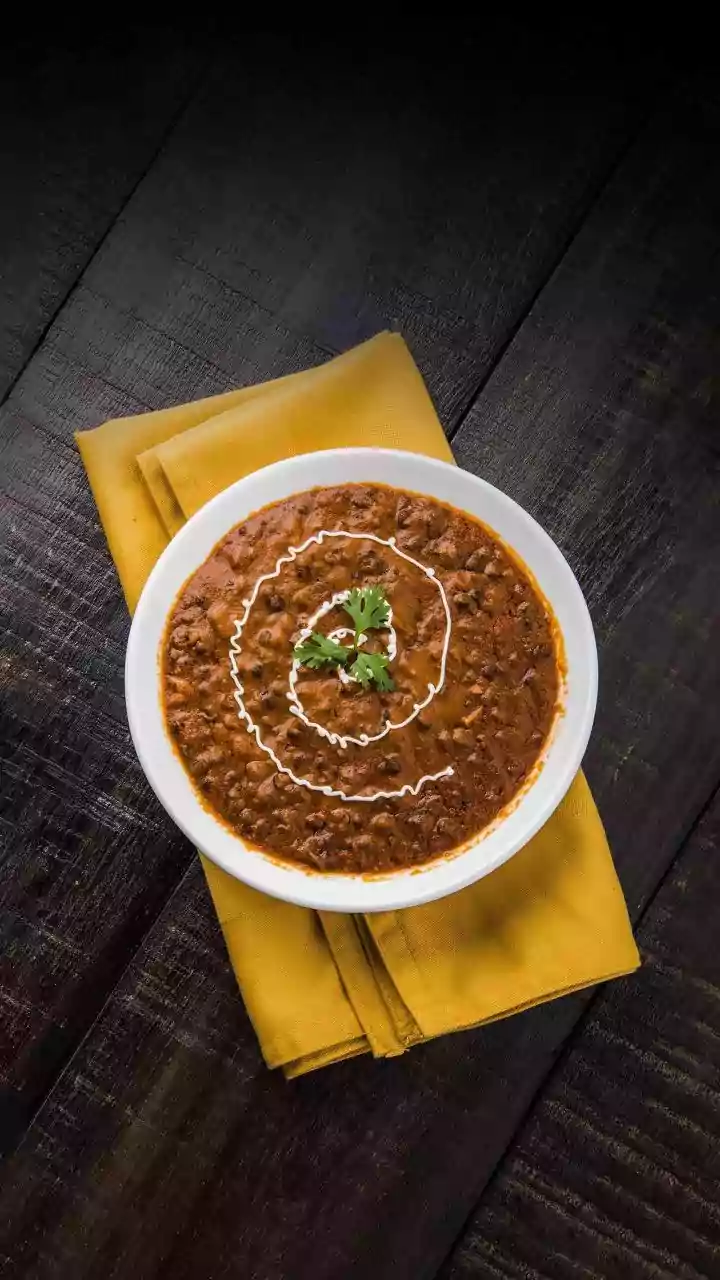
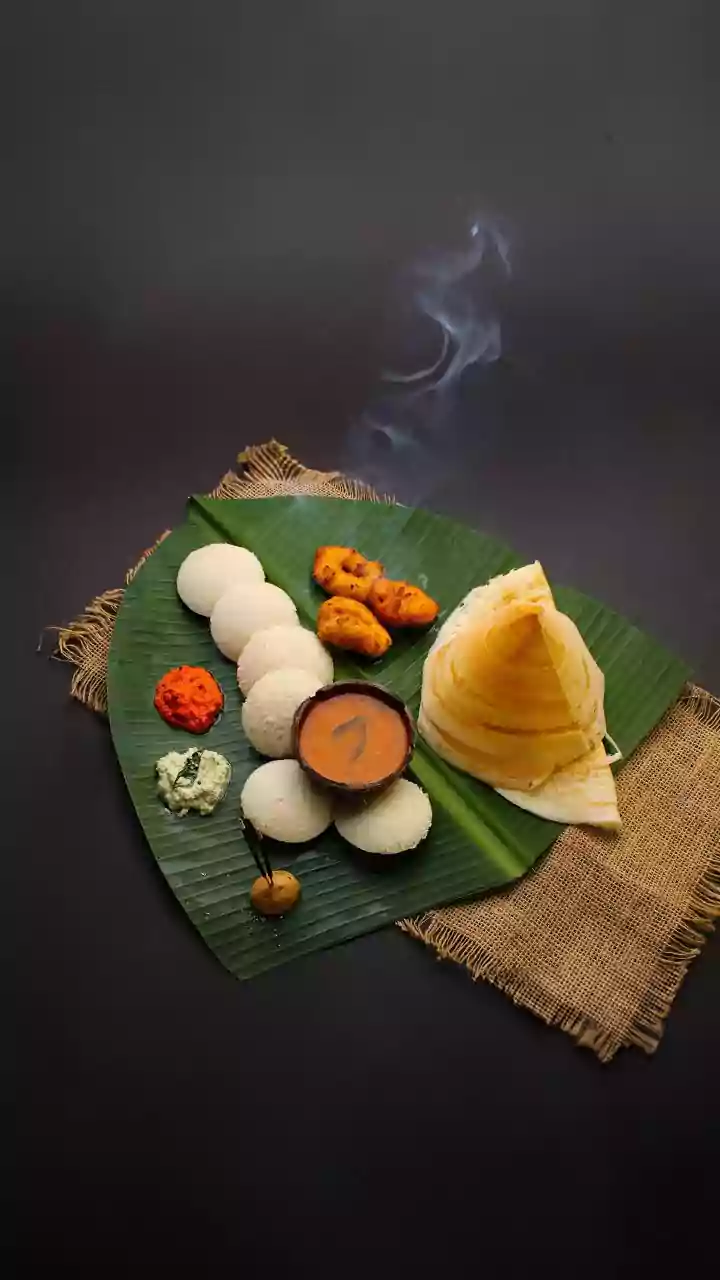
Long work hours and bustling city life are changing the Indian kitchen. But instead of abandoning tradition, a new 'hybrid' approach to cooking is emerging, blending convenience with the authentic taste of home-cooked meals.
The Clash Between the Clock and the Cook
Traditional Indian cooking
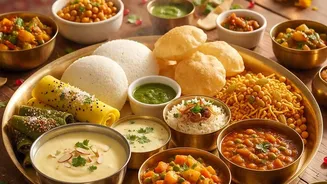
is an art form built on patience. It involves lengthy processes like soaking dals overnight, grinding fresh masalas, and slow-cooking curries to allow flavours to meld perfectly. Techniques like 'bhunano' (slow sautéing) or 'dum' (steam cooking) are essential for developing deep, complex tastes but are fundamentally at odds with the time constraints of modern urban life. For millions of working professionals in cities across India, dedicating hours to meal preparation daily is no longer feasible. This has created a cultural tension: a deep-seated craving for the comfort of a traditional meal versus the reality of a demanding schedule.
The Rise of the 'Hybrid' Kitchen
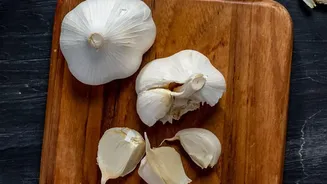
Instead of a complete shift to processed foods, many Indian households are adopting a 'hybrid' model. This pragmatic approach involves mixing traditional, from-scratch elements with clever shortcuts. Think of it as strategic outsourcing within a single recipe. A cook might use store-bought idli batter for a quick breakfast but insist on making the sambar from scratch. They might buy pre-chopped vegetables or a ginger-garlic paste to speed up prep time, while still dry-roasting and grinding their own signature spice blends for authenticity. This middle path allows for significant time savings without completely sacrificing the flavour and nutritional value of a homemade meal. It’s a conscious trade-off, where the most labour-intensive steps are automated, preserving the core essence of the dish.
A Supermarket Aisle for Every Shortcut
The market has been quick to respond to this evolving need. The ready-to-cook (RTC) segment in India is experiencing explosive growth, far outpacing the overall packaged food market. Valued at over USD 7.6 billion in 2026, the market is projected to reach USD 12 billion by 2034. This boom is driven by urban households seeking convenience without compromising on the feeling of a home-cooked meal. Supermarket shelves and quick-commerce apps are now filled with an array of hybrid solutions: pre-made curry bases, frozen parathas, marinade mixes, and regional specialties that drastically reduce cooking time. This availability makes it easier than ever for a busy individual to prepare a multi-component Indian meal on a weeknight.
New Gadgets for Timeless Tastes
Technology is also playing a crucial role in the modern Indian kitchen. Appliances that solve daily problems and save measurable time are becoming indispensable. The electric vegetable chopper eliminates the repetitive task of dicing onions and tomatoes for every curry base. Multi-functional appliances like the Instant Pot have been adapted to traditional techniques, allowing for faster 'dum' cooking or preparing dals without constant supervision. Air fryers are being used to create healthier, lowoil versions of classic snacks like samosas and tikkis, delivering the desired crispiness without the effort of deepfrying. These gadgets are not replacing traditional skills but are rather augmenting them, making complex recipes more accessible for everyday cooking.
Is Authenticity Being Diluted?
The rise of hybrid cooking inevitably sparks a debate about authenticity. Purists may argue that using readymade pastes or batters compromises the soul of a dish. However, many food bloggers and culinary experts see it as a necessary evolution. They argue that these adaptations are what keep traditional food relevant and prevent it from becoming a 'special occasion only' affair. By making traditional recipes more achievable, hybrid prep ensures that culinary heritage is passed down and actively practised, rather than just being admired from afar. The goal for many is not a perfect replication of a grandmother's recipe, but a delicious, wholesome meal that still feels connected to their roots, even on the busiest of days.