


Why Natural Pest Control Matters
Choosing natural pest control methods is not just about being eco-friendly; it’s about creating a safer environment inside your home. Synthetic pesticides can contain chemicals that are harsh and potentially harmful to people and pets. Natural alternatives
like neem oil and insecticidal soap work effectively without these risks, making them ideal for treating the plants you live with every day. These methods are also less likely to harm beneficial insects if your plants spend time outdoors. By building a healthier ecosystem for your plants, you are not just fighting bugs; you are fostering a more resilient indoor garden.
The Power of Neem Oil
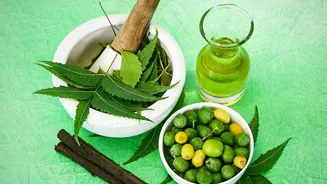
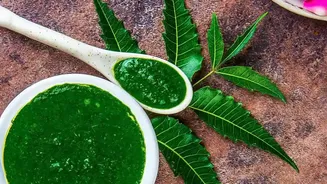
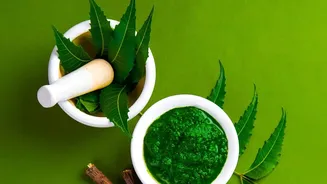
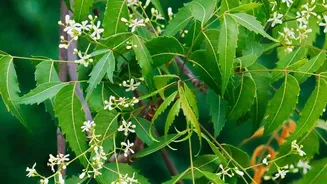
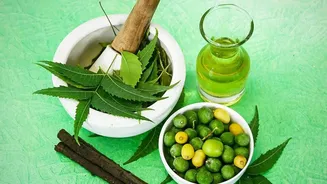
Neem oil is a versatile, plant-based oil extracted from the seeds of the neem tree, which is native to the Indian subcontinent. It’s a powerhouse for organic gardeners, acting as a pesticide, fungicide, and miticide. Its primary active compound, azadirachtin, works wonders against common houseplant pests like aphids, spider mites, mealybugs, scale, and whiteflies. Instead of killing on contact, neem oil disrupts the pests' life cycle. It acts as an anti-feedant, stopping them from eating your plant's leaves, and as a growth regulator that prevents them from maturing and reproducing. It can also help manage fungal issues like powdery mildew and black spot by preventing spores from spreading.
How to Mix and Use Neem Oil
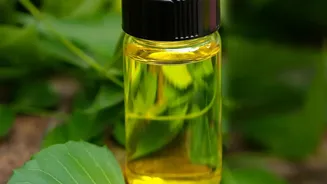
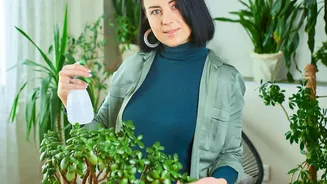
Creating your own neem oil spray is simple. For a standard solution, you will need pure, cold-pressed neem oil, a mild liquid soap, and water. A common ratio is one teaspoon of neem oil and half a teaspoon of mild liquid soap (like castile soap) mixed into one litre of warm water. The soap is crucial as it acts as an emulsifier, allowing the oil to mix with the water. Shake the mixture thoroughly in a spray bottle. Before dousing your entire plant, always perform a 'spot test' on a single leaf and wait 24 hours to ensure there's no adverse reaction. To treat an infestation, spray the entire plant every 5 to 7 days, making sure to cover the undersides of leaves where pests often hide. Apply the spray in the early morning or evening to avoid direct sunlight, which can cause the oil to burn the leaves.
The Simplicity of Soapy Water
An even simpler, yet surprisingly effective, tool is a basic soapy water solution. This method is best for soft-bodied insects like aphids, mealybugs, and spider mites. The soap works by breaking down the pest's waxy outer layer, causing dehydration and death. It's important to use the right kind of soap. Opt for a mild liquid dish soap that does not contain degreasers, bleach, or harsh detergents. True soaps like castile soap are often recommended over synthetic detergents. A high concentration of soap can damage a plant’s leaves, so proper dilution is key.
Creating and Applying Your Soap Spray
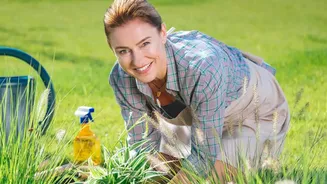
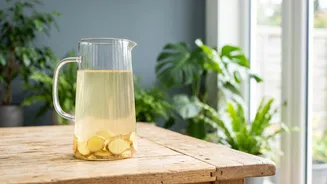
To make an insecticidal soap spray, mix about one tablespoon of mild liquid soap into one litre of water. Shake it well and pour it into a spray bottle. Just like with neem oil, it is wise to test the spray on a small part of the plant first. When you apply it, focus on spraying the insects directly rather than just coating the leaves, as it primarily works on contact. Pay close attention to the undersides of leaves and the joints where stems meet. After letting the solution sit for a few hours, you can gently rinse the plant with plain water to wash off any soap residue and the dead pests. Repeat the treatment every week until the infestation is gone.
Best Practices for a Pest-Free Home
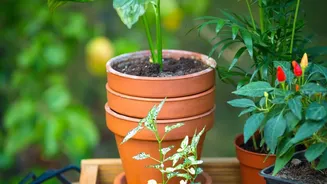
Prevention is always the best cure. Regularly inspect your plants for early signs of trouble, paying close attention every time you water them. When you bring a new plant home, quarantine it away from your other plants for a few weeks to ensure it's not carrying any hidden pests. Keeping plant leaves clean by wiping them with a damp cloth not only helps them photosynthesize better but also removes dust that can attract pests like spider mites. For ongoing prevention, a light spray of diluted neem oil once every two to four weeks can keep your green companions healthy and pest-free. Consistency is your greatest ally in keeping your indoor garden thriving.