




Start with the Fridge and Freezer
The first step is a quick audit of your cold storage. Open the fridge and scan for leftovers that are past their prime; a good rule is to toss anything more than three days old. Check for any fruits or vegetables that are starting to look wilted or sad.
These can be set aside for immediate use, perhaps in a soup or stir-fry. Create an “eat first” bin for items nearing their expiry date. This simple act of pulling older items to the front ensures they get used, saving you money. Finally, give the shelves and door handles a quick wipe-down. A clean fridge feels like a fresh start for the week’s groceries.
Tackle the Pantry and Open Packs
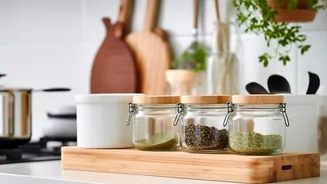
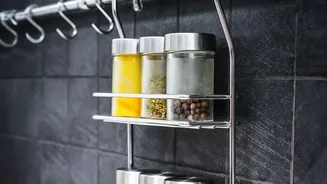
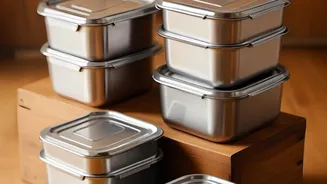
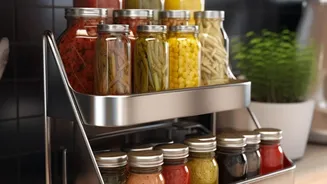
The pantry is often a zone of forgotten foods and half-used packets. This is a critical step for both organisation and managing your grocery bill. Group similar items together—all the dals in one section, breakfast items in another. Pay special attention to open packets of snacks, grains, and spices. These are a major source of clutter and can attract pests. Decant them into clear, airtight, and stackable containers. This not only keeps food fresher but also lets you see exactly what you have at a glance, preventing you from buying duplicates. For packets you can't decant, use sealing rods or clips to ensure they are properly closed. Make a note of anything you're running low on for your shopping list.
Reclaim Your Countertops
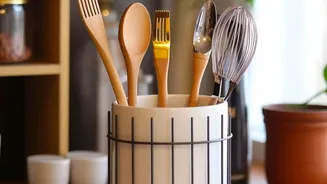
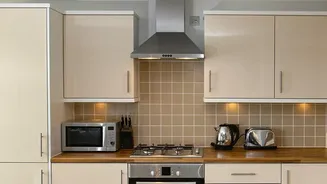
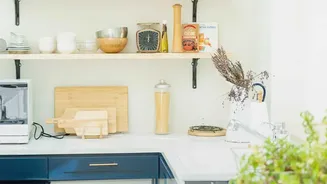
Countertops are magnets for clutter that doesn't belong in the kitchen. Take a basket and do a quick sweep of the entire surface, collecting anything that isn’t a daily-use appliance or cooking tool. This includes mail, keys, and other stray items. Once clear, give the countertop a thorough wipe-down. A clear counter not only makes the entire kitchen feel more spacious and orderly but also makes daily meal prep a far more pleasant and efficient experience. This single action has one of the biggest visual impacts of the entire reset.
Assess and Organise Storage Space
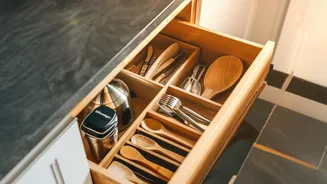
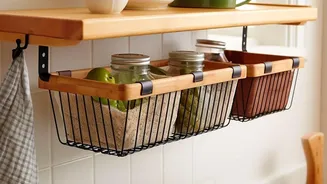
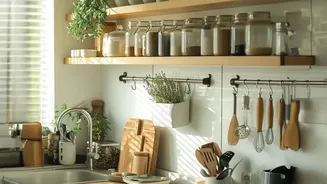
Now that you've cleared out old food and consolidated open packs, it's time to maximise your storage. You don't need to reorganise the entire kitchen every week. Instead, pick one drawer or one cabinet to focus on. Take everything out, wipe the inside, and put things back in an orderly way. For utensil drawers, consider simple dividers to keep everything in its place. For cabinets with pots and pans, try nesting them by size. Storing lids vertically in a rack can be a game-changer. The goal is to make your most-used items the most accessible, which reduces friction during daily cooking.
The Final Surface Clean
You’re in the home stretch. With everything decluttered and organised, the final cleaning tasks are much faster. Give your stovetop a good wipe, focusing on any grease splatters from the week's cooking. A clean sink can make the whole kitchen feel fresher, so wash any remaining dishes and give the basin and tap a quick scrub. Finally, wipe down high-traffic spots like cabinet knobs and appliance handles. Take out the kitchen trash and recycling. This completes the reset, leaving your kitchen clean, functional, and ready for whatever the new week brings.
Plan for the Week Ahead
The final, and perhaps most crucial, step is to use the information you've just gathered. With a clear view of your fridge and pantry inventory, sit down and draft a meal plan for the upcoming week. Plan meals around the ingredients in your “eat first” bin to ensure nothing goes to waste. From this meal plan, create a precise shopping list. This mindful approach prevents overbuying, reduces impulse purchases, and ensures you have everything you need for the week, saving you from last-minute trips to the store.