



Tired of finding forgotten vegetables in your fridge? A smarter approach to meal prep could be the answer. Twice-weekly batch cooking is a flexible method to reduce food waste, save time, and ensure your meals are always fresh and appealing.
The Problem with Once-a-Week Prep
Many of us
have tried the classic Sunday meal prep session, spending hours cooking a week's worth of food, only to face challenges. By Thursday, some meals can lose their freshness, leading to 'food fatigue' where you simply don't feel like eating what you've prepared. This can result in wasted food and last-minute takeaway orders. Planning meals for a full seven days is also difficult, as unexpected events or cravings can derail the best-laid plans. This is where a more flexible approach comes in, one that splits the work and boosts freshness.
How Twice-Weekly Cooking Reduces Waste
The core idea is simple: instead of one marathon cooking session, you have two smaller, more manageable ones. Typically, this involves a larger session on the weekend (like Sunday) and a quicker one mid-week (like Wednesday). This split approach directly combats food waste in several ways. First, it allows you to use highly perishable ingredients like fresh herbs and leafy greens early in the week. Second, it gives you a chance to take inventory of your fridge mid-week and use up anything that needs to be eaten, preventing it from spoiling. Finally, because meals are fresher, you are more likely to eat what you have prepared, reducing the chance of your lovingly cooked food ending up in the bin.
Getting Started: A Two-Part Strategy
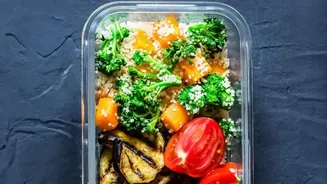
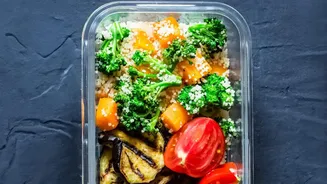
The beauty of this method is its flexibility. It’s not about cooking full, separate meals but rather preparing components that can be mixed and matched. Think of it as 'component cooking'. Your first session (e.g., Sunday) is for items that take longer to cook and store well. This includes cooking grains like rice or quinoa, roasting hardy vegetables, baking potatoes, or preparing a large batch of lentils or dal. Your second, shorter session (e.g., Wednesday) is for quick-cooking items. This could involve grilling some paneer or chicken, making a fresh sauce or dressing, or chopping vegetables for the next two days. This keeps your meals interesting and avoids the monotony of eating the same thing every day.
A Sample Twice_Weekly Plan
To make it concrete, here is what a week might look like:
Sunday Session (45–60 minutes):
Cook a large pot of basmati rice or quinoa.
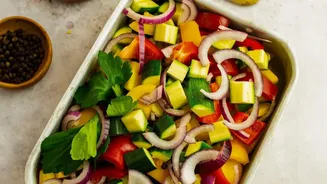
Roast a tray of vegetables like carrots, cauliflower, and bell peppers.
Boil a dozen eggs for quick snacks or to add to salads.
Prepare a versatile curry base or a simple dal makhani.
Wednesday Session (20–30 minutes):
Quickly stir–fry some fresh spinach or other greens.
Marinate paneer or chicken for quick cooking the next day.
* Whip up a fresh raita or a simple salad dressing.
With these components, you can easily assemble meals. For instance, rice, roasted vegetables, and dal for dinner on Monday. On Thursday, you could have a quick and fresh meal of the marinated paneer with the stir–fried greens and rice.
Key Tips for Success
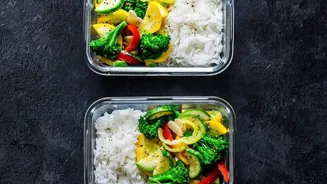
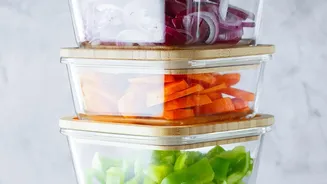
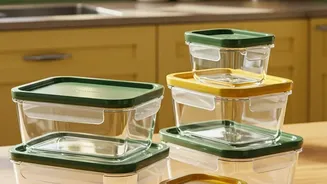
To make this a lasting habit, keep a few things in mind. First, start small. You don't need to prep every single meal; begin by planning just a few dinners a week. Second, invest in good quality storage. Airtight glass containers are great because they don't stain and can often go from the fridge to the microwave or oven. Third, keep your pantry stocked with essentials like grains, spices, and canned beans to make meal assembly easier. Finally, clean as you go to avoid a huge mess at the end of your cooking session, which can make the process feel overwhelming.