
The Two Faces of Iron
First, it's important to know that dietary iron comes in two forms: heme and non-heme. Heme iron is found in animal products like meat, poultry, and fish. It's generally well-absorbed by our bodies. Non-heme iron, on the other hand, comes from plant-based
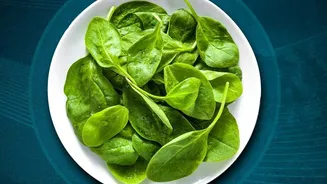
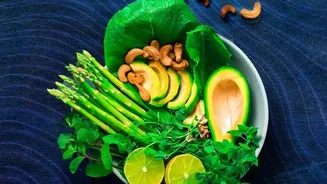
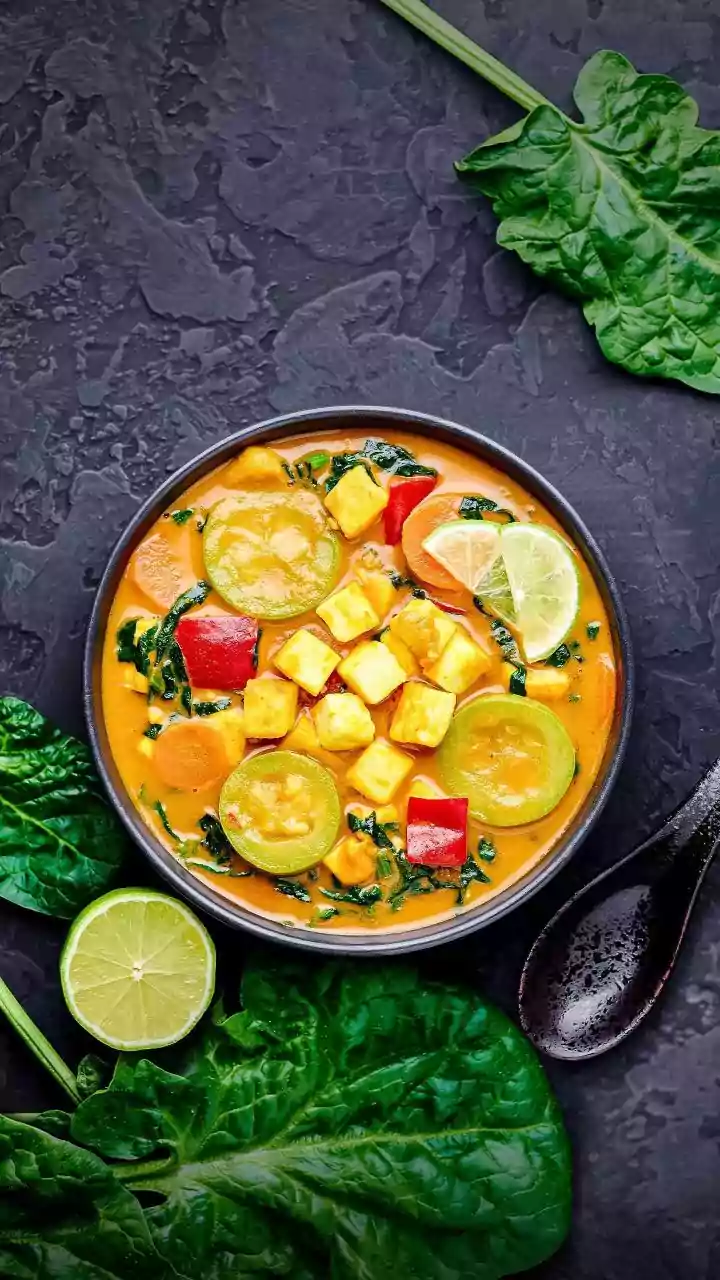
sources. This includes the iron in your favourite palak (spinach), dal (lentils), beans, and fortified cereals. While abundant, non-heme iron presents a bit of a challenge for our digestive systems.
The Plant-Based Iron Challenge
The main issue with non-heme iron is its lower bioavailability, meaning our bodies find it harder to absorb. This is because many plant foods also contain compounds called phytates and polyphenols. These natural compounds, found in grains, legumes, and even some vegetables like spinach, can bind to iron in the gut, forming insoluble compounds that prevent it from being absorbed. This is why simply eating a lot of iron-rich plants doesn't always translate to having healthy iron levels.
Vitamin C to the Rescue
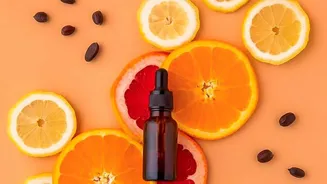
This is where our hero, Vitamin C (also known as ascorbic acid), enters the picture. Vitamin C is a powerful enhancer of non-heme iron absorption. Its magic lies in its chemical properties. Most non-heme iron in food is in the ferric (Fe3+) state, which is difficult for our intestines to take in. Vitamin C acts as a reducing agent, converting this ferric iron into the much more soluble and absorbable ferrous (Fe2+) state. Essentially, it transforms the iron into a form your body can readily use.
Does It Really Double It?
The headline's claim is not just hype; it's rooted in science, though the exact amount can vary. Studies have shown that Vitamin C is one of the most potent enhancers of non-heme iron absorption. Depending on the meal's composition and the amount of inhibitors present, adding Vitamin C can increase iron absorption by several times. Some research indicates that as little as 25-50 mg of Vitamin C per meal can increase absorption by two to seven times. Another study noted that 100 mg of ascorbic acid increased iron absorption from a specific meal by over four times. So, while 'doubling' is a good rule of thumb, the effect can often be even more significant.
Smart Pairings for Your Plate
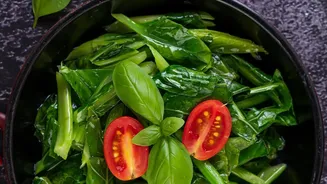
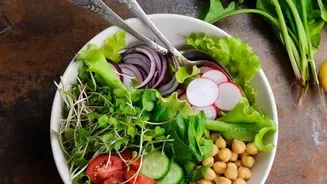
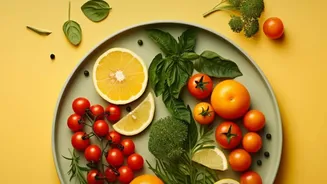
Putting this science into practice is simple and delicious. The classic Indian combination of squeezing nimbu (lemon) over your dal or sabzi is a perfect example of this nutritional wisdom. When you eat a spinach salad, a citrus-based vinaigrette does more than add flavour; it unlocks the iron in the greens. Think about adding tomatoes (rich in Vitamin C) to your chickpea curry, or serving a side of amla (Indian gooseberry) chutney with your meal. These traditional food pairings are not just for taste; they are a masterclass in food synergy.
Beyond the Squeeze
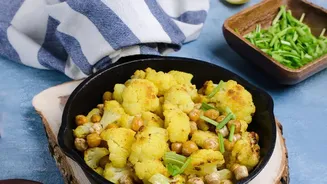
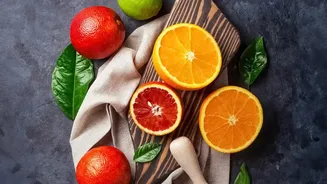
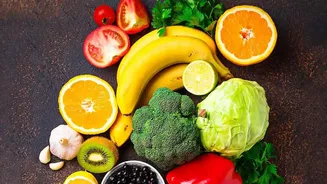
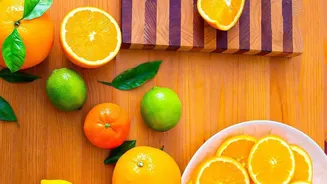
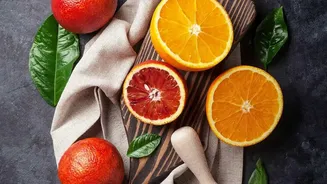
While citrus fruits like lemons, limes, and oranges are fantastic sources of Vitamin C, they aren't the only option. Many other common vegetables are packed with this essential nutrient. Bell peppers, broccoli, tomatoes, and potatoes are all excellent sources. Try adding finely chopped bell peppers to your lentil soup, having a side of steamed broccoli with your tofu scramble, or simply enjoying a fresh tomato salad alongside your main meal to significantly boost your iron uptake from plant-based foods.