








From Niche Tech to National Habit
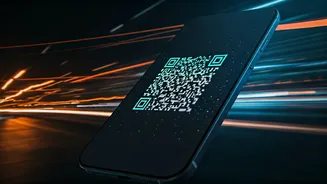
Not long ago, scanning a QR code felt like a novelty. Today, it's muscle memory. This isn't just a feeling; the numbers are staggering. According to the Reserve Bank of India (RBI), the number of UPI QR codes surged by a phenomenal 91.5% in the last financial
year, reaching over 650 million. This explosive growth shows that QR codes have moved beyond the tech-savvy crowd in big cities to become a staple for merchants and consumers across the nation. The average UPI transaction size is also getting smaller, which tells a powerful story: people are using QR codes for small, everyday purchases, indicating a deep and growing level of comfort and habit.
The UPI Interoperability Masterstroke
What flipped the switch? The answer lies in one of India's biggest success stories: the Unified Payments Interface (UPI). In the early days, different payment apps had their own proprietary, or 'closed-loop', codes. A Paytm user couldn't easily pay a merchant with a PhonePe QR code, creating friction and confusion. The game changed when the RBI mandated interoperability, forcing all payment companies to adopt shared standards like UPI QR by March 2022. Suddenly, any app could scan any UPI QR code. This single move, combined with the low cost of deploying a QR sticker compared to a card machine and government initiatives like 'Digital India', created a perfect storm for adoption. UPI now accounts for nearly 80% of all digital retail transactions in India.
More Than Just a Payment Tool
Confidence grew as QR codes began appearing in more aspects of daily life, moving beyond simple merchant payments. Today, you can scan a QR code to buy a metro ticket in Delhi or Mumbai, eliminating long queues. They are used for utility bills, managing patient records in hospitals, and even for checking the authenticity of products. The pandemic accelerated this trend, with restaurants adopting QR codes for menus to create a contactless experience. Each new use case normalized the technology, reinforcing the idea that the little black-and-white square is a reliable and versatile digital key.
Confidence, with a Side of Caution
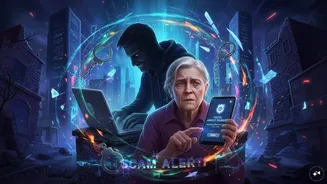
While confidence has indeed 'entered the chat', it coexists with a healthy dose of caution. The very convenience that makes QR codes so popular has also attracted scammers. A growing threat known as 'quishing' (QR code phishing) involves fraudsters tricking users into scanning malicious codes that can drain their bank accounts. They often do this by replacing legitimate merchant QRs with their own stickers or sending fake refund requests. This highlights the most crucial rule of UPI payments that everyone must know: you NEVER need to scan a code or enter your PIN to receive money. If someone asks you to do so, it is almost certainly a scam. Building user awareness around these risks is the next frontier for maintaining trust.
The Future is Scannable
The QR code revolution in India is far from over. It has laid the foundation for the next wave of digital innovation. The future could see widespread use of offline QR payments that work without a stable internet connection, a crucial step for increasing adoption in rural areas. Businesses are already exploring dynamic QR codes that change for each transaction to enhance security and link payments to loyalty programs. From a simple payment method, the QR code is evolving into a core part of India's digital public infrastructure, a versatile tool that enables everything from commerce and transit to healthcare and governance. Its journey from a niche technology to a national symbol of digital progress is a testament to the power of simple, inclusive innovation.