

What Exactly Is an Indian Bento Box?
The term 'bento' comes from Japan and refers to a single-portion, home-packed or takeaway meal. What makes it special is its emphasis on balance, portion control, and visual appeal, with different food items neatly separated in compartments. An Indian
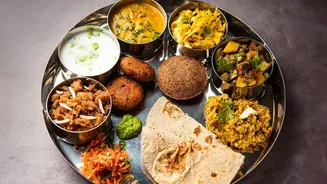
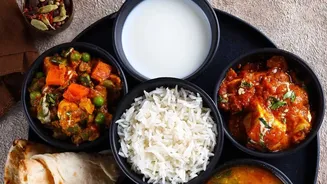
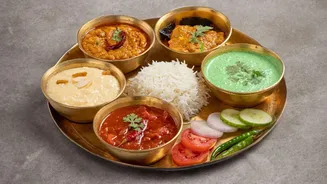
bento adapts this philosophy to desi cuisine. It's less about the multi-tiered, clanking steel tiffin designed to carry generous amounts of dal, sabzi, and rice separately, and more about a single, compact container that holds a complete, portion-controlled meal. Think of it as a thali in a box, thoughtfully designed for modern, busy schedules.
The Modern Tiffin: More Than Just a Lunchbox
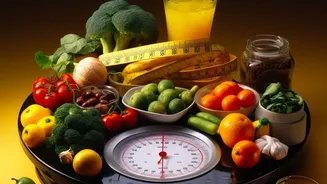
While the classic steel tiffin is a symbol of home-cooked love, the bento-style approach offers distinct advantages for today's lifestyle. The built-in compartments are the main feature, encouraging portion control and dietary variety. This structure makes it easier to follow balanced meal guidelines, such as filling half the box with vegetables, a quarter with protein like dal or paneer, and a quarter with carbohydrates like roti or brown rice. Unlike traditional tiffins where gravies could sometimes mix, the separated sections of a bento keep flavours and textures distinct, ensuring food remains appealing until lunchtime. This approach is particularly helpful for those looking to manage their diet without giving up beloved Indian dishes.
Anatomy of a Balanced Desi Bento
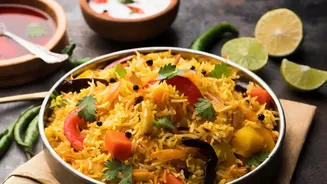
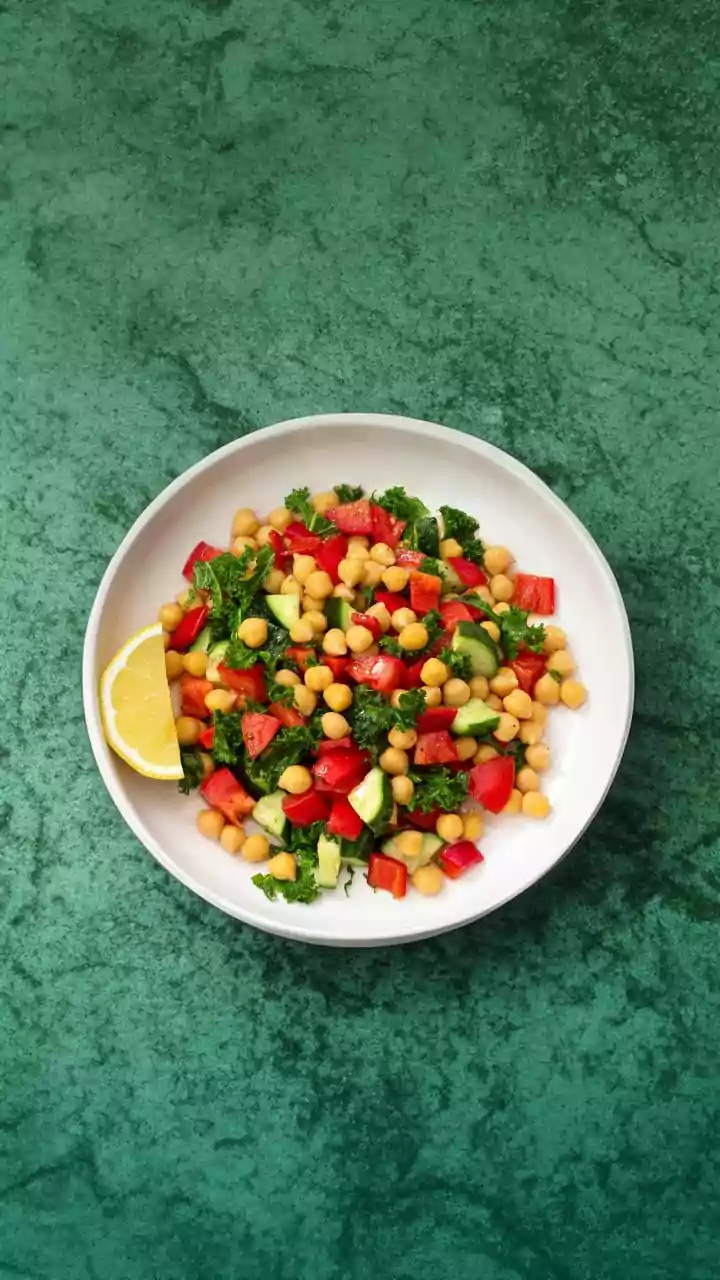
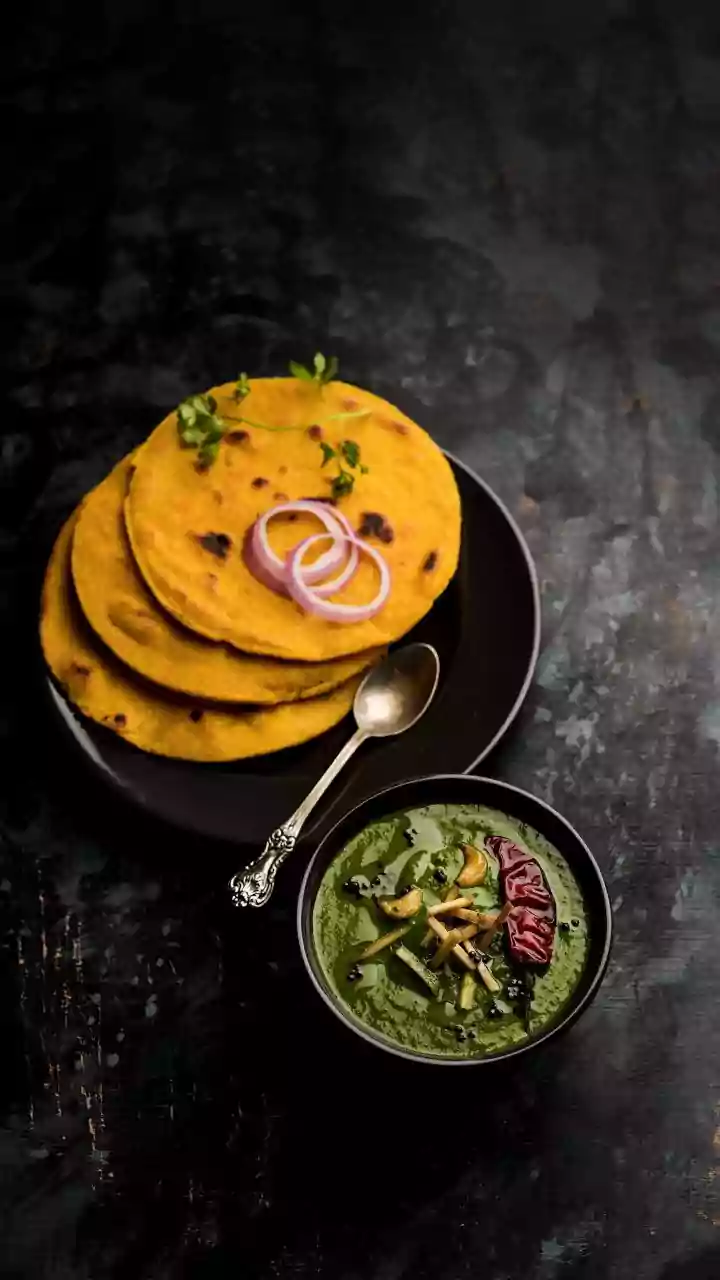
Building a satisfying Indian bento is all about combination and balance. The goal is a colourful, texturally diverse meal that covers all the nutritional bases. A well-packed box might include jeera rice paired with paneer tikka, a side of cooling cucumber raita, and a small portion of fruit salad. For a roti-based meal, you could pack a couple of aloo parathas with a container of yogurt and some tangy pickle, accompanied by carrot sticks for crunch. Other popular combinations include vegetable pulao with dal tadka, masala omelettes with whole wheat bread and chutney, or even lighter options like a chickpea salad with fresh vegetables. The key is to include a grain, a protein, vegetables, and a small extra, ensuring a fulfilling and energising lunch.
Why This Trend Is Gaining Momentum Now
The rise of the Indian bento isn't just about aesthetics; it's a direct response to the demands of modern life. Hectic schedules leave little time for elaborate meal prep, making a pre-portioned, all-in-one lunch box an attractive solution. There is also a growing health consciousness, with more people seeking ways to eat balanced meals and control portion sizes without resorting to restrictive diets. The bento format provides a practical framework for this. Furthermore, global food trends and social media have exposed more people to the artful presentation of bento boxes, inspiring home cooks to make everyday meals more exciting, especially for picky children. It represents a perfect fusion of convenience, health, and the enduring comfort of Indian food.
Tips for Building Your Own Indian Bento
Getting started with your own bento boxes is easier than it looks. A little planning goes a long way. Prepping ingredients over the weekend—like chopping vegetables, cooking dal, or making chutneys—can make morning assembly quick and easy. When packing, try to use drier preparations of sabzis and curries to prevent leakage, or invest in a box with leak-proof seals. You can use silicone muffin cups as flexible dividers within a larger compartment to keep smaller items like nuts or raita separate. Finally, think about leftovers! Last night's rajma chawal or paneer makhani can be the perfect foundation for the next day's delicious and hassle-free lunch.