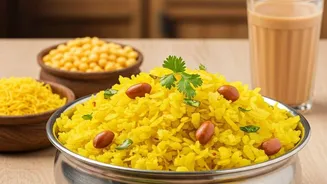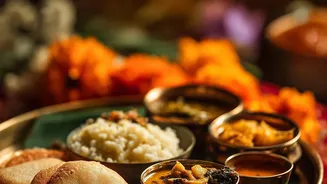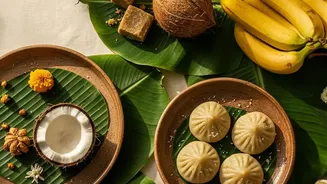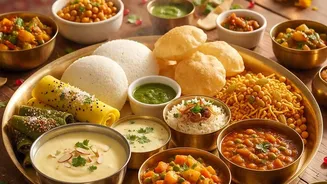

In the weeks leading up to Diwali, a delicious tradition unfolds in Maharashtrian homes: the making of 'faral'. This assortment of sweet and savoury snacks is now finding a vibrant new life online. So, why are these age-old recipes suddenly trending?
A Plateful of Comfort and Nostalgia
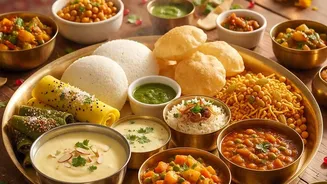
At its heart, 'faral' is a collection of snacks prepared and shared during Diwali. This includes iconic items like the spiral-shaped savoury 'chakli', diamond-cut sweet 'shankarpali', flaky 'karanji' pastries, and various types of ladoos and chivda. For generations, the preparation of these treats was a communal family activity, filling homes with festive aromas. Today, as many people live away from their hometowns, these recipes evoke powerful feelings of nostalgia and a connection to childhood celebrations. Food bloggers tap into this sentiment, sharing recipes that offer a taste of home and comfort, allowing people to recreate cherished family traditions no matter where they are. This longing for authentic, familiar flavours is a significant driver behind the trend, making faral recipes a digital link to personal history.
Digital Kitchens Preserving Heritage
In the past, faral recipes were passed down orally from grandmothers to mothers to daughters, with each family having its own subtle variations. Today, Indian food blogs and social media platforms like Instagram have become the new guardians of this culinary heritage. Home cooks and professional bloggers are meticulously documenting these recipes, complete with step-by-step instructions and videos, effectively creating a digital archive. This ensures that these traditions are not only preserved but are also made accessible to a global audience. For younger generations who may not have had the chance to learn these skills in a family kitchen, these blogs serve as invaluable teachers, keeping the cultural flame alive.
The Visual Feast of 'Instagrammable' Food
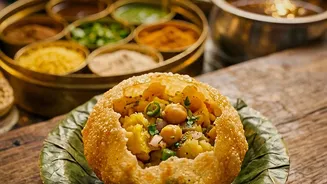
The aesthetic appeal of faral plays a crucial role in its online popularity. Indian food is naturally colourful and visually vibrant, making it perfect for platforms like Instagram. The intricate spiral of a chakli, the golden hue of a besan ladoo, and the delicate half-moon shape of a karanji are inherently 'Instagrammable'. This visual appeal encourages users to share photos and videos of their creations, creating a cycle of inspiration. As content creators focus on aesthetics, from plating to lighting, traditional dishes are presented with a modern, cinematic flair that captures the attention of a younger, screen-savvy audience.
Modern Twists on Traditional Classics
While traditional recipes remain popular, many food bloggers are also sharing modern adaptations that cater to contemporary lifestyles and health concerns. This includes baked versions of typically deep fried snacks like chakli and karanji, reducing the oil content without sacrificing flavour. There is also a trend of using alternative, healthier flours like jowar or ragi and natural sweeteners like jaggery. These innovations make faral more appealing to a health conscious audience. Furthermore, creative fusion recipes, like square shaped ladoos or vibrantly coloured shankarpali, add a novelty factor that sparks curiosity and encourages people to experiment in their own kitchens.
The Quest for Authenticity
In an era of mass produced sweets and snacks, there is a growing movement towards authentic, homemade food. Consumers are increasingly interested in understanding the origin of their food and appreciate the love and effort that goes into a homemade dish. Faral recipes represent a return to these roots. The process of making faral from scratch provides a sense of accomplishment and a deeper connection to the food being consumed. This trend is part of a larger shift in Indian food culture, where regional and hyper local dishes are gaining prominence over generic options. By sharing these recipes, food bloggers are catering to a demand for authenticity and empowering their followers to embrace traditional cooking practices.