






The Reality of Festive Inflation
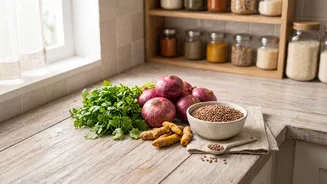
This year's festive preparations are unfolding against a backdrop of significant food inflation, which climbed to 7.74% in September. This surge directly affects the cost of putting together a festive feast. Prices for key ingredients integral to Indian
festive cooking have seen dramatic increases. Onions, a staple in countless dishes, have seen inflation skyrocket, alongside sharp price hikes for ginger and garlic. Even the sweets that mark the season are getting costlier, with sugar and confectionery prices rising due to higher raw material and fuel costs. This economic pressure is forcing many families to make difficult choices, carefully weighing tradition against their monthly budget.
Planning Ahead is the First Step
One of the most effective strategies to counter rising prices is to plan well in advance. Creating a detailed meal plan and a corresponding shopping list before heading to the market can curb impulse purchases, which often inflate a grocery bill. By checking your pantry for existing ingredients first, you avoid buying duplicates. This disciplined approach not only helps in sticking to a budget but also significantly reduces food waste, which is another form of financial loss. Many shoppers find that starting early and spreading out purchases, rather than making a single large trip, helps manage cash flow during the expensive festive period.
Embracing Smart Swaps and DIY
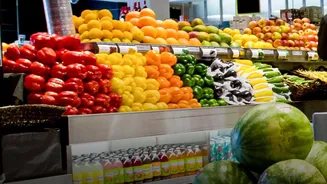
Balancing quality and cost doesn't always mean cutting items out; sometimes it just means making intelligent substitutions. For instance, consider using seasonal vegetables, which are not only fresher but also more affordable. Shopping at local mandis or weekly markets can also lead to significant savings compared to supermarkets, which have higher overheads. Furthermore, the tradition of making festive sweets and snacks at home is seeing a revival. Preparing items like ladoos, mathris, and other namkeens from scratch is not only more cost-effective than buying them ready-made but also allows for control over the quality of ingredients like ghee and sugar.
The Power of Bulk and Local Buys
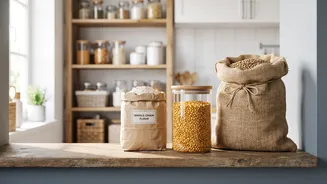
For non-perishable staples such as rice, flour, lentils, and spices, buying in bulk can often lead to considerable savings. While the initial outlay is higher, the unit price is typically lower. This strategy works best for items with a long shelf life that your household consumes regularly. Many consumers are also looking beyond large retail chains and turning to local vendors and wholesale markets. These venues often offer fresher produce at lower prices by cutting out intermediaries. Some families are even pooling together with friends or neighbours for bulk purchases to get better deals on festive essentials.
Rethinking the 'Must-Have' List
While festive traditions are cherished, high inflation is prompting a re-evaluation of what is truly essential. Surveys indicate that while spending on gourmet food and gifting continues, consumers are becoming more selective. Instead of a long list of elaborate dishes, many are choosing to focus on a few signature, high-quality preparations. This 'quality over quantity' approach allows for a festive feel without the associated financial strain. It encourages a focus on the joy of the occasion and the company of loved ones, rather than an extravagant spread that stretches the budget too thin.