






Demystifying the Digital Gatekeeper: What Is an ATS?
An Applicant Tracking System, or ATS, is software used by the vast majority of companies to manage the flood of job applications. Instead of manually reading hundreds of resumes, recruiters use the ATS to automatically scan, sort, and rank candidates.
The system looks for specific keywords, skills, and formatting to decide if you're a potential match for the role. If your resume isn't formatted in a way the software can read, or if it's missing key terms from the job description, it might be rejected before a human ever sees it. For fresh graduates with limited experience, this automated filtering process can feel like sending your application into a black hole.
Your New Job Search Co-Pilot: How AI Builders Work
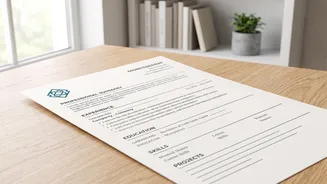
This is where AI resume builders enter the picture. These tools are designed specifically to solve the ATS problem. They use artificial intelligence to analyze a job description and then help you tailor your resume to match it. Key features often include keyword optimization, where the AI suggests terms and phrases from the job post to include in your CV. They also provide ATS-friendly templates with clean, single-column layouts and standard fonts, ensuring the software can parse your information correctly. Essentially, the AI acts as a coach, helping you speak the language of the ATS to increase your chances of being shortlisted.
Maximising Your AI-Powered Advantage
Simply using an AI builder isn't enough; you have to use it strategically. The biggest mistake is creating one generic resume and sending it everywhere. The real power of these tools lies in customization. For every single job you apply for, you should run your resume and the job description through the AI tool. It will highlight which keywords you are missing and help you rephrase your experience. For graduates, this is especially useful for translating academic projects, internships, and part-time work into relevant professional experience. Instead of saying you "worked on a project," the AI might suggest phrasing that highlights skills like "data analysis" or "stakeholder communication" if those terms are in the job post.
The Human Touch AI Can't Replace
While AI builders are excellent for optimization, they have significant limitations. An over-reliance on AI can lead to a resume that sounds generic, robotic, and lacks personality. Hiring managers are becoming better at spotting content that is entirely AI-generated. The goal is to use AI as a partner, not a replacement for your own effort. Let the tool help with keywords and formatting, but ensure the final product reflects your authentic voice and accurately represents your accomplishments. Never include skills or experiences suggested by the AI that you don't actually possess. Always proofread the final document yourself, as AI can sometimes make mistakes or produce phrasing that doesn't make sense.