






The Foundation of All Health
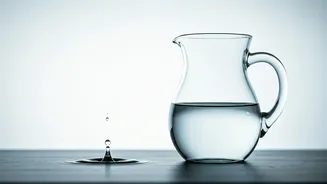
Before we even discuss 'cleanliness', let’s talk about water itself. Every system in your body depends on it. Proper hydration is the bedrock of wellness, influencing everything from brain function to physical performance. When you are adequately hydrated,
your brain cells communicate more effectively, leading to better focus, clearer memory, and improved mood. Physically, water lubricates joints, helps deliver nutrients to cells, regulates body temperature through sweat, and keeps organs functioning properly. Even your appearance benefits—hydrated skin is more elastic and vibrant. Most of us know we should drink more water, but we often treat it as a background task. Framing it as the primary wellness move it is can shift our perspective and our priorities for the better.
The Unseen Risks in Your Glass
The crucial distinction, however, lies in the word ‘clean’. Not all water is created equal, and what you can’t see can certainly hurt you. In India, water sources can be compromised by a range of contaminants. Microbial threats like bacteria (E. coli, Salmonella) and viruses (Hepatitis A, Norovirus) are major causes of waterborne diseases like cholera, typhoid, and dysentery. Beyond microbes, chemical contamination is a silent threat. Heavy metals such as lead, arsenic, and mercury can leach into water from industrial pollution or old plumbing, posing long-term health risks including organ damage and developmental issues. Furthermore, agricultural runoff can introduce pesticides, while dissolved solids and excess fluoride in groundwater in certain regions present their own set of health challenges. Simply put, drinking water that isn’t properly purified means you might be unknowingly ingesting a cocktail of harmful substances, undermining your health goals with every sip.
Your Guide to Purer Water
So, how do you ensure the water you and your family drink is truly clean? Fortunately, we have several reliable methods. The most traditional and accessible method is boiling. Bringing water to a rolling boil for at least one minute effectively kills most bacteria, viruses, and protozoa. For a more modern and comprehensive solution, water purifiers are an excellent investment. Reverse Osmosis (RO) systems are highly effective at removing dissolved solids, heavy metals, and chemicals. Ultraviolet (UV) filtration neutralises bacteria and viruses by destroying their DNA, making them unable to reproduce. Many modern purifiers use a multi-stage process, combining sediment filters, activated carbon, RO, and UV for maximum protection. Choosing the right purifier depends on the quality of your input water. A simple water test can help you understand the specific contaminants you need to target, allowing you to make an informed decision.
More Than Just a Drink
The benefits of clean water extend beyond hydration. When you cook with purified water, you ensure that contaminants aren’t seeping into your food, whether you're boiling rice or making dal. Using clean water to wash fruits and vegetables is another simple but critical step to reduce your exposure to pesticides and microbes. For personal hygiene, clean water is just as important. It impacts everything from washing your face without introducing new irritants to your skin, to ensuring your dental hygiene routine is effective. By making clean water the standard in your home for all uses, you create a holistic environment of wellness. This isn't about chasing perfection; it's about controlling a fundamental variable that has a cascading positive effect on every other aspect of your health.