





A Classic Sweet Gets a Bizarre Makeover
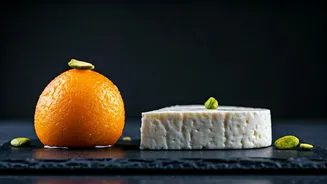
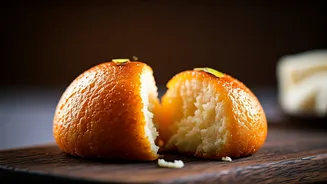
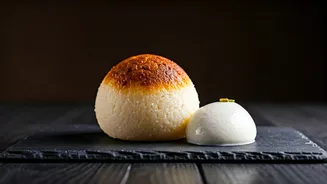
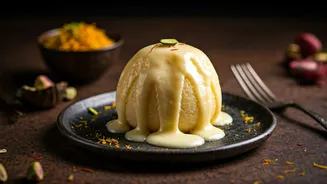
The rasgulla, a soft, spongy ball of chhena (Indian cottage cheese) soaked in light sugar syrup, is a dessert cherished across the country. Its delicate sweetness is iconic. But a new trend challenges that identity by taking the sweet, baking it, and
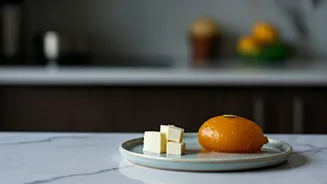
topping it with melted cheese. The preparation often involves squeezing the syrup from the rasgullas, placing them in a baking dish, and covering them with a layer of cheese—sometimes mozzarella, sometimes a processed cheese slice—before baking until golden and bubbly. The result is a dish that is simultaneously sweet, savoury, and salty, a combination that has ignited fierce debate online.
Outrage, Curiosity, and Viral Views
Food influencers and social media users are having a field day with this trend. Videos capturing initial reactions—a mix of horror, disbelief, and morbid curiosity—are racking up millions of views. For every creator who gamely tries a bite and declares it surprisingly decent, there are dozens of comments calling it a culinary crime. This polarisation is the perfect fuel for viral content. The shock value is immense, especially for a dish as traditional as rasgulla. It follows a pattern of other bizarre food fusions that have gone viral in India, such as masala dosa ice cream and butter chicken golgappas, which play on the tension between beloved classics and audacious experimentation.
Why Do These 'Shock Foods' Go Viral?
The phenomenon isn't just about taste; it's about the psychology of social media. Novelty is a key driver for viral content, and the more unusual or unexpected a food item is, the more likely it is to be shared. There is a powerful sense of curiosity and a fear of missing out (FOMO) that compels people to engage. When an influencer posts about a strange new dish, their followers feel a social urge to join the conversation, whether by trying it themselves or simply weighing in with an opinion. This cycle of discovery, reaction, and sharing creates a digital campfire effect where the dish becomes a cultural talking point, regardless of whether it's actually enjoyable to eat. For many, participating in these trends is a form of self-expression and a way to build a digital identity.
An Evolution from 'Baked Rasgulla'
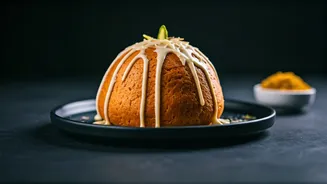
While the addition of cheese is a recent, shocking twist, the idea of a baked rasgulla is not entirely new. For years, a different version known as 'baked mishti doi' or 'baked rasgulla' has been a popular dessert, especially in Kolkata. This traditional fusion involves baking syrup-squeezed rasgullas in a thickened, sweetened milk mixture (rabri) or with condensed milk and khoya, until a caramelized top layer forms. This version is a harmonious blend of textures and an evolution of the classic sweet. The new cheese-topped trend appears to be a more radical departure, borrowing the 'baking' element but swapping the complementary sweetness of rabri for the jarring saltiness of cheese, creating controversy where there was once only creativity.
A Step Too Far for Fusion?
The baked rasgulla with cheese debate raises a larger question: is there a line when it comes to food fusion? Indian cuisine is celebrated for its incredible diversity and has always evolved. Many beloved food combinations mix different flavour profiles, like the sweet, spicy, and tangy notes in chaat, or the classic pairing of sweet jalebi with savoury fafda. However, a vocal segment of food lovers argues that some classics should remain untouched. They see these viral stunts not as genuine culinary innovation, but as a desperate bid for attention in a crowded digital landscape. The argument is that successful fusion enhances a dish, whereas controversial trends like this often feel like they are created for shock value rather than flavour.