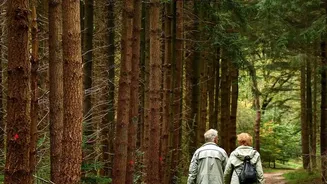







A Digital Detox on Foot
After a day spent staring at screens, the last thing many people want is more blue light from a phone or television. An evening walk offers a simple, effective antidote to digital fatigue. It provides a dedicated time to disconnect from work emails, social
media notifications, and the constant hum of the internet. This act of stepping away from the digital world allows the mind to quiet down, reducing the stress and anxiety that build up during a hectic workday. Research and anecdotal evidence show that walking, especially in a calm setting, can lead to a meditative state, sharpening focus and promoting mental clarity. This gentle transition from a work mindset to personal time helps in regulating mood and serves as a powerful way to unwind before heading home.
Finding Connection in Community
In large cities, it can be easy to feel surrounded by people yet disconnected. Walking groups are emerging as a new 'third place'—a social environment outside of home and work where genuine connections can be forged. Unlike the competitive atmosphere of a gym or the transactional nature of a bar, walking clubs offer a low-pressure, inclusive environment. The shared activity of walking provides a natural starting point for conversations, allowing friendships to develop organically. Participants often come from diverse backgrounds and professions, creating a rich social tapestry. This sense of community and mutual motivation is a strong driver; knowing a group is waiting makes it easier to stick to a routine.
Wellness That Welcomes Everyone
One of the most significant advantages of walking is its accessibility. It requires no expensive membership, specialised equipment beyond a comfortable pair of shoes, or advanced athletic ability. This makes walking groups inherently inclusive, welcoming people of all ages and fitness levels. An evening walk is a low-impact activity, meaning it's gentle on the joints, making it a sustainable form of exercise for many who might be intimidated by high-intensity workouts. This low barrier to entry is crucial for urban professionals who may be starting their fitness journey or looking for a consistent, gentle way to stay active without the risk of injury or financial strain.
Reclaiming and Exploring the City
For many metro dwellers, the city is a series of commutes between home, office, and occasional social spots. Walking groups offer a chance to rediscover and reclaim urban spaces. These organised walks often explore different neighbourhoods, parks, and waterfronts, turning the city itself into a landscape for exploration. A route that is driven past every day looks entirely different on foot. This allows participants to notice architectural details, find hidden green spaces, and develop a deeper appreciation for their surroundings. In cities like Mumbai, Delhi, and Bangalore, groups are increasingly using parks and public spaces as hubs for these social fitness activities.
The Science of a Simple Stroll
While the social and mental benefits are clear, the physical advantages of an evening walk are just as compelling. A walk after dinner can aid digestion and help regulate blood sugar levels. Regular walking is proven to improve cardiovascular health, support weight management, and boost the immune system. Studies have shown that moderate exercise in the evening can also lead to better sleep quality by helping the body wind down and promoting the natural release of melatonin. Ultimately, joining a walking group offers a holistic approach to well-being, combining physical activity with mental relaxation and social connection, which is why it has the lowest dropout rate of any physical activity.