

The Familiar Glow of Refined Oils
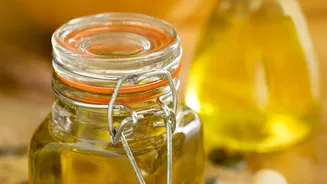
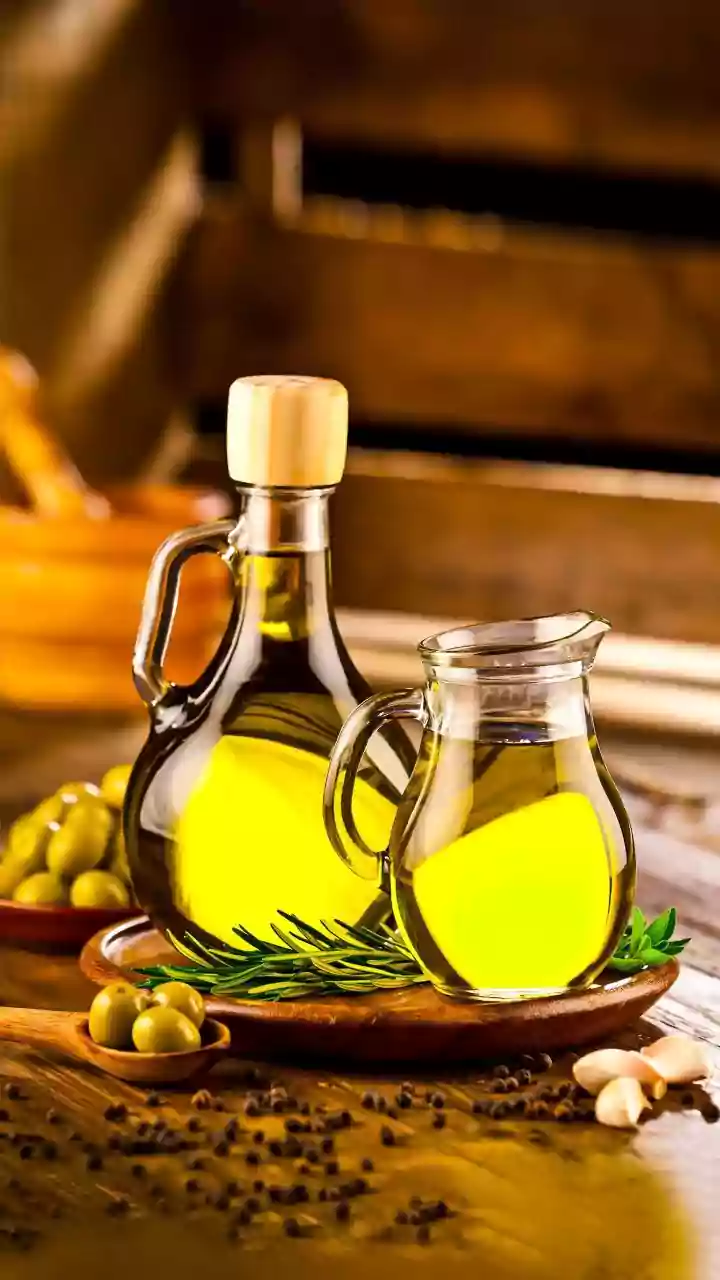
Walk into almost any supermarket, and you'll find aisles dedicated to refined oils—sunflower, soybean, canola, and rice bran, all promising lightness and heart health in gleaming plastic bottles. Their rise to dominance from the 1980s onwards was rapid,
pushed by marketing that positioned them as modern and convenient alternatives to traditional fats. They became the default choice for frying, sautéing, and everyday cooking, largely due to their neutral flavour, high smoke point, and affordability. For a generation or two, the very idea of cooking oil was synonymous with these processed, odourless fats. However, a growing consciousness around health and wellness is now causing many to question what is actually inside these bottles.
What 'Refined' Really Takes Away
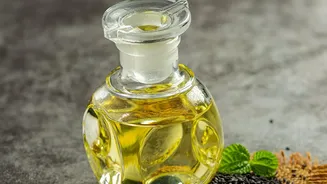
The term 'refined' sounds clean and pure, but the industrial process it describes is anything but gentle. To create refined oil, seeds are typically exposed to extremely high temperatures and chemical solvents, like hexane, to extract every last drop of oil. The resulting liquid is then subjected to further processing, including bleaching to remove colour and deodorising to eliminate natural aromas and taste. While this process increases shelf life and creates a neutral-flavoured product, it comes at a significant nutritional cost. Many of the beneficial compounds naturally present in the seeds—such as antioxidants, vitamins, and phytosterols—are stripped away or destroyed by the heat and chemicals. What's left is often a nutritionally compromised product that can even contain unhealthy trans fats formed during high-heat hydrogenation.
The Comeback of a Traditional Treasure
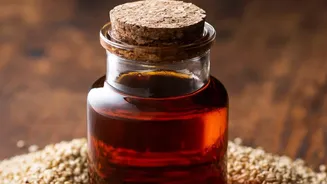
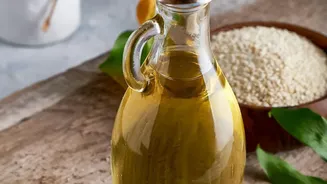
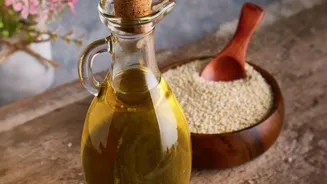
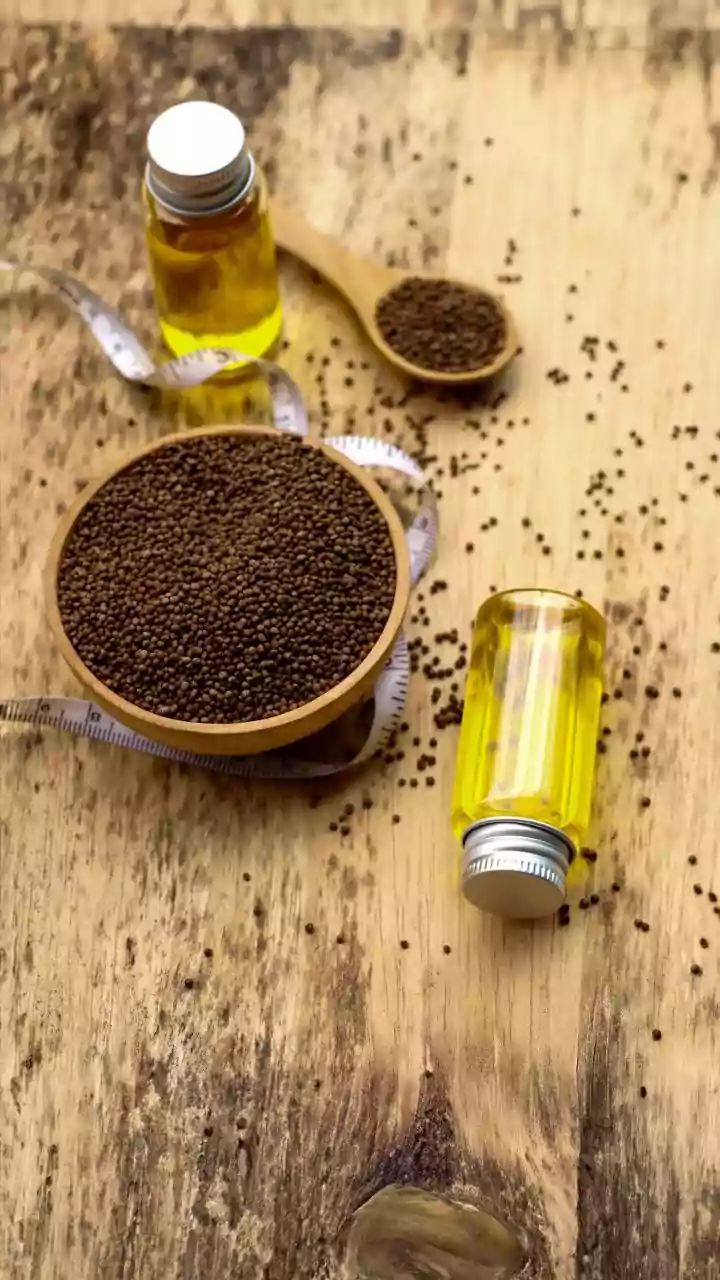
In response to this, many are turning back to an age-old method of extraction: cold-pressing. Known traditionally in India as 'kachi ghani' or 'marachekku', this process involves mechanically crushing seeds at a low temperature without the use of any chemicals. This gentle technique ensures that the oil retains the full nutritional bounty of the seed. Cold-pressed sesame oil, in particular, is experiencing a major resurgence. It is packed with powerful antioxidants like sesamin and sesamol, which help fight oxidative stress in the body. The process preserves the oil’s natural nutty flavour, rich aroma, and its wealth of heart-healthy monounsaturated and polyunsaturated fats.
A Clear Choice for Health
When placed side-by-side, the health comparison is stark. Cold-pressed sesame oil is rich in Omega-6 fatty acids and compounds known to support cardiovascular health by helping manage 'bad' LDL cholesterol and improve 'good' HDL cholesterol. Its natural anti-inflammatory properties have been valued in Ayurveda for centuries to help manage joint pain. Refined oils, on the other hand, often present a less healthy profile. The heavy processing can lead to an imbalanced ratio of omega-6 to omega-3 fatty acids, which is linked to promoting inflammation in the body when consumed in excess. The growing awareness of these differences is a key driver behind the switch, as consumers seek foods that are less processed and closer to their natural state.
More Than Health: The Return of Flavour
Beyond the nutritional debate, a powerful motivator for this shift is taste. Many who have switched back to cold-pressed oils report that the primary reason was to reclaim the authentic flavour of their food. Indian cuisine is built on a complex layering of aromas and tastes, where the cooking medium is an active ingredient, not just a neutral heat conductor. The distinct, nutty character of cold-pressed sesame oil brings a depth to tempering (tadka), chutneys, and stir-fries that refined oils simply cannot replicate. This return to traditional oils is, for many, about making food that tastes the way it’s supposed to—the way their grandmothers made it.
Making the Switch: What to Consider
Adopting cold-pressed sesame oil does involve a few adjustments. It is generally more expensive than its refined counterpart due to the lower yield from the extraction process. Its smoke point is also lower than that of highly refined oils, but it is perfectly suitable for the vast majority of Indian cooking techniques, including sautéing and moderate-heat frying. A common myth is that these oils are only good for dressings, but chefs and home cooks alike are proving their versatility in everyday meals. The key is to use appropriate heat and appreciate the flavour it adds. Storing it in a cool, dark place will also help preserve its quality.