
Why Gut Health Matters During Festivals
The gut, often called our 'second brain', is crucial for everything from digestion to immunity and even mood. During festivals, our routines change. We often eat richer, sweeter, and fried foods, consume them at irregular hours, and may sleep less. This
sudden shift can disrupt the delicate balance of our gut microbiome—the trillions of beneficial bacteria in our digestive system—leading to common issues like bloating, acidity, and general discomfort. Paying attention to gut health doesn't mean skipping the celebrations; it means finding a sustainable balance to feel your best.
The Pillars: Probiotics and Prebiotics
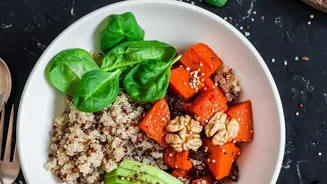
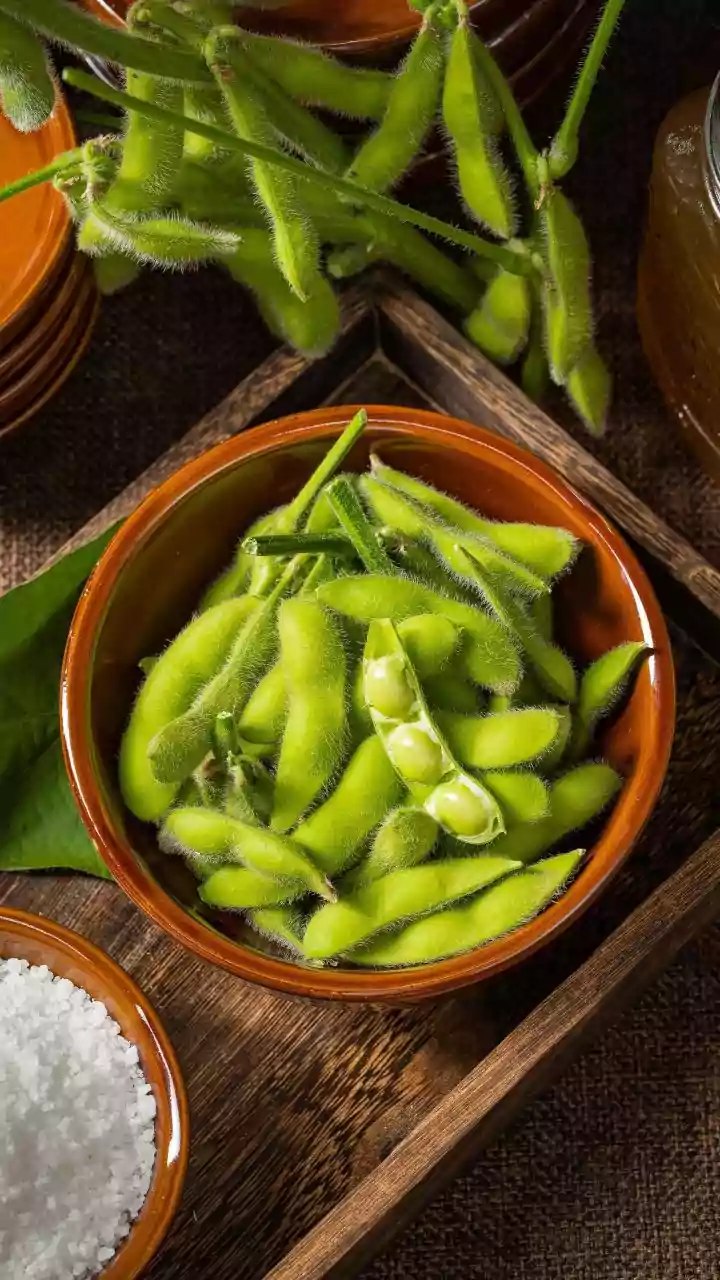
Understanding two key terms is the first step: probiotics and prebiotics. Probiotics are live, beneficial bacteria found in fermented foods that help maintain a healthy gut environment. Prebiotics, on the other hand, are types of dietary fibre that act as food for these good bacteria. Including both in your diet is essential. Thankfully, the traditional Indian kitchen is already rich in both. Probiotic sources include homemade dahi (curd), chaas (buttermilk), and fermented foods like idli and dosa batter. Prebiotics are found in fibre-rich foods like onions, garlic, bananas, legumes, and whole grains.
Smart Swaps for Festive Favourites
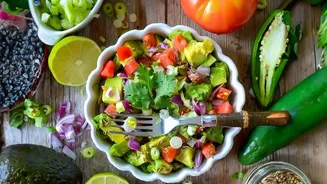
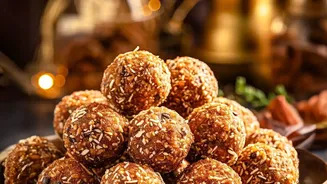
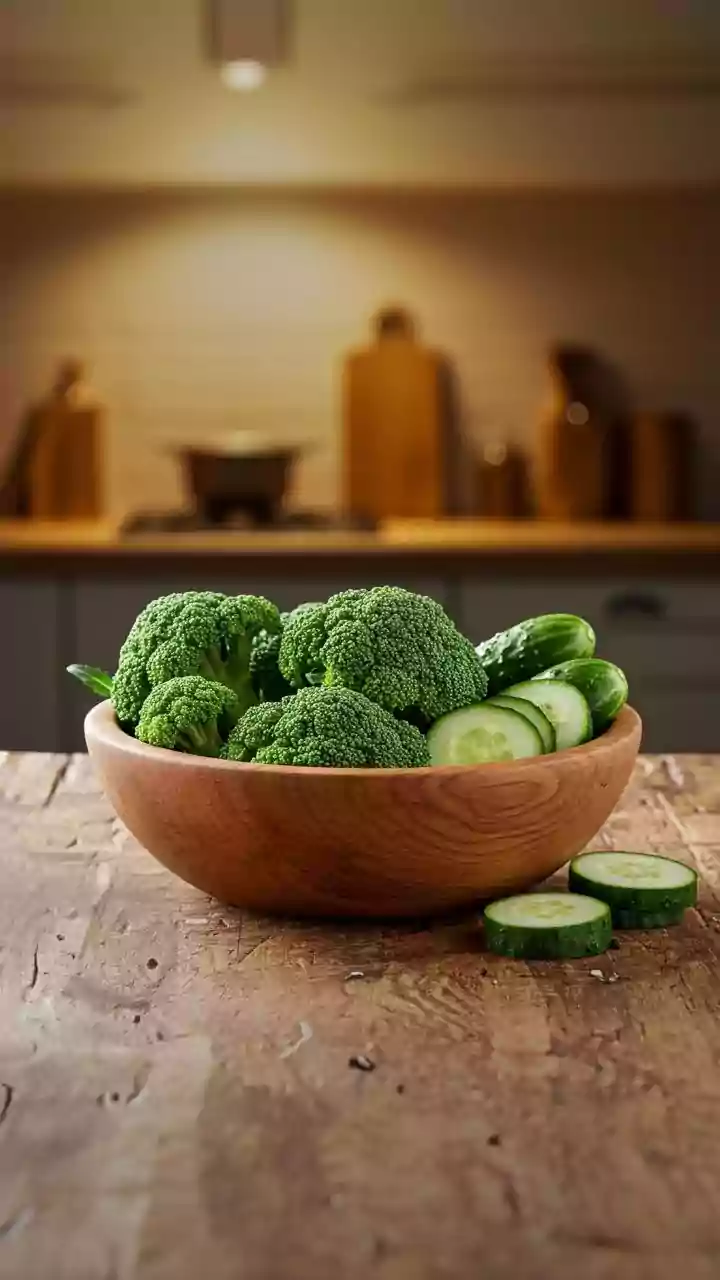
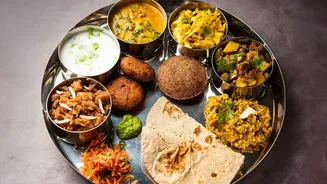
You don't have to give up your favourite festive dishes. Instead, consider small, intelligent modifications. Opt for baking or air-frying snacks instead of deep-frying them. Swap refined white sugar in sweets for jaggery or dates, which offer more nutrients. When making dishes that require a gravy, you can add puréed vegetables to increase fibre content. Balancing heavy meals is also key. If you have an indulgent lunch, aim for a lighter dinner like khichdi or a vegetable soup to give your digestive system a much-needed break. Even including a simple salad with your meal adds fibre, which aids digestion.
Embrace Traditional Indian Fermented Foods
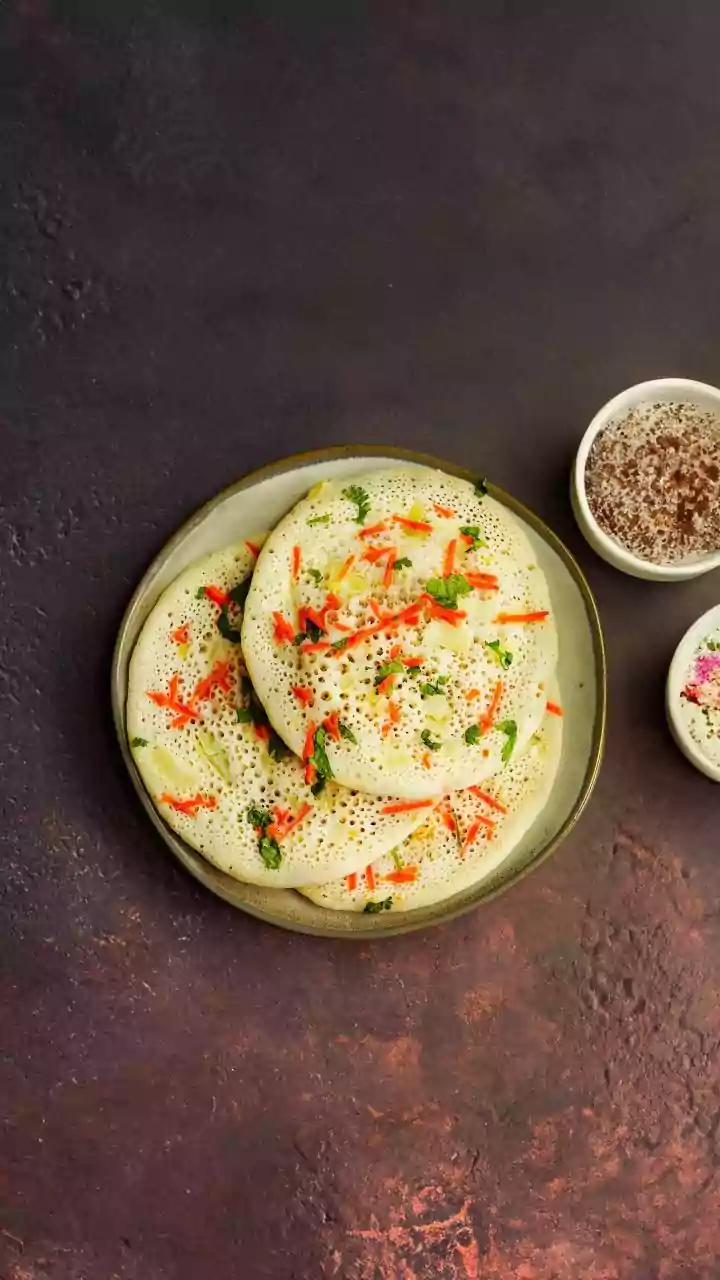
Many traditional Indian foods are naturally probiotic-rich. Homemade curd is the most accessible probiotic source, and a bowl a day can do wonders. Chaas, especially when spiced with roasted cumin and ginger, is a powerful digestive aid that can soothe the stomach after a heavy meal. Salt-brined traditional pickles (not those preserved in vinegar) also contain beneficial bacteria, though they should be consumed in moderation due to high sodium content. South Indian staples like idli and dosa, made from fermented batter, are not only light on the stomach but also support gut health.
Beyond the Plate: Mindful Habits for a Happy Gut
Gut health isn't just about what you eat, but also how you eat. Practice mindful eating by chewing your food slowly and savouring each bite. This aids digestion and helps your brain register when you are full, preventing overeating. Staying hydrated is equally crucial. Sip on water throughout the day and consider herbal teas like ginger or peppermint, which can help reduce bloating. Don't skip meals to 'save' calories for a big feast, as this often leads to overindulgence later. Lastly, try to incorporate some light physical activity, like a short walk after meals, which can significantly aid digestion and reduce feelings of sluggishness.