




The Resilient Snake Plant
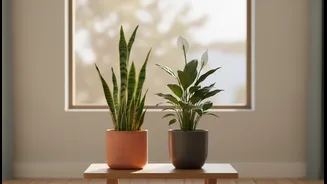
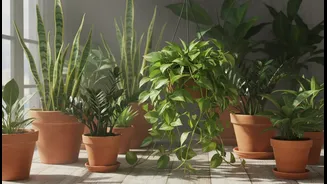
Known for being almost impossible to kill, the Snake Plant (Sansevieria trifasciata) is a champion for the monsoon season. Its tough, architectural leaves tolerate high humidity and low light conditions exceptionally well, which is perfect for overcast
rainy days. One of its biggest advantages is its ability to purify the air by removing toxins. It's also a low-maintenance hero, requiring minimal watering. During the humid monsoon, when overwatering is a major risk for most plants, the snake plant's tolerance for dry soil makes it an ideal choice.
The Ever-Popular Money Plant
India's most beloved houseplant, the Money Plant (Epipremnum aureum or Pothos), is perfectly suited for the monsoon. It thrives in the high humidity that characterises the rainy season, and its trailing vines grow vigorously during this time. Money plants are incredibly versatile, happy in both low light and bright, indirect light conditions. They are also excellent air purifiers. Whether you grow it in a pot or a simple bottle of water, its heart-shaped leaves add a touch of prosperity and vibrant green to any corner of your home.
The Elegant Peace Lily
If you're looking for a plant that adds a touch of elegance, the Peace Lily (Spathiphyllum) is an excellent choice. It loves the high humidity of the monsoon and can even produce its beautiful white blooms during this season with proper care. Peace Lilies are fantastic at communicating their needs; they visibly droop when they need water, which helps prevent overwatering. They are also renowned for their air-purifying qualities, effectively removing common household toxins. This plant prefers indirect light, making it suitable for indoor spots away from direct sun.
The Hardy ZZ Plant
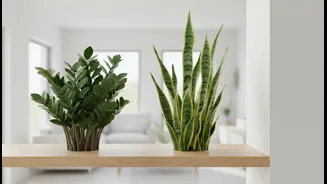
The ZZ Plant (Zamioculcas zamiifolia) is another tough contender that handles the challenges of monsoon with ease. Its glossy, dark green leaves have a waxy coating that helps it retain water, making it extremely drought-tolerant. This is a huge benefit during the rainy season when soil tends to stay wet. The ZZ plant adapts well to low-light conditions, which are common during overcast monsoon days. It's a stylish, low-maintenance option for those who may forget to water their plants regularly.
The Lush Spider Plant
The Spider Plant (Chlorophytum comosum) is celebrated for its air-purifying capabilities and its graceful, arching leaves. It adapts well to the humid conditions of the monsoon and tolerates a range of light levels, though it prefers bright, indirect light. These plants are easy to care for and are great for hanging baskets, where their cascading plantlets, or “spiders,” can be fully appreciated. They are known for filtering common indoor air pollutants, helping to keep your home's air fresh during the damp season.
The Tropical Areca Palm
To bring a distinctly tropical vibe indoors, look no further than the Areca Palm (Dypsis lutescens). This plant loves the humid conditions of the monsoon and acts as a natural humidifier, improving overall air quality. Its lush, feathery fronds add a touch of elegance and volume to any room. Areca Palms thrive in bright, indirect light and well-drained soil. They are not only beautiful but are also effective at purifying the air.
Essential Monsoon Care Tips
While these plants are resilient, monsoon care requires a few adjustments. The biggest danger is overwatering, which leads to root rot. Always check if the top inch of soil is dry before watering. Ensure your pots have good drainage holes and consider placing them on stands to improve airflow and prevent waterlogging. Good ventilation is crucial to prevent fungal growth, which thrives in damp, humid conditions. Finally, keep an eye out for pests that are more common during this season and clean the leaves regularly to remove dust and help the plant breathe.