
Understanding the 'October Heat'
In many parts of India, the end of the monsoon doesn't bring immediate relief. Instead, we often face a period of surprisingly intense heat and humidity, famously known as 'October Heat'. As the monsoon clouds retreat, the sun beats down again, but lingering
moisture in the air makes it feel particularly oppressive. This combination can leave you feeling drained, sweaty, and constantly reaching for something to drink. During this time, proper hydration is not just about comfort; it's crucial for maintaining your energy levels and overall health. The body loses more water through sweat, and replenishing it effectively is key to avoiding fatigue and sluggishness.
Why Sugary Drinks Fall Short
When you're feeling hot and thirsty, a sugary soda or sweetened juice might seem like the perfect fix. However, these drinks can be counterproductive for hydration. High sugar content can disrupt your body's fluid balance. Your system has to work to metabolize the sugar, a process that can draw water from your cells and even increase urination, ultimately working against your hydration goals. This can lead to the classic sugar crash, leaving you feeling even more sluggish than before. Choosing sugar-free alternatives is a smarter way to quench your thirst and support your body's needs in the heat.
The Herbal Tea Advantage
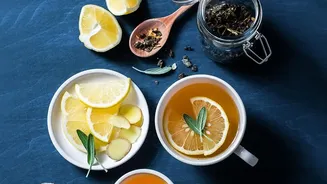
This is where caffeine-free herbal teas shine. Since they are made primarily of water, they are inherently hydrating. Unlike sugary drinks, they provide flavour and refreshment without the negative effects of added sugar. Many herbal infusions, also known as 'tisanes', are naturally caffeine-free, meaning they won't have the mild diuretic effect associated with caffeinated beverages. Furthermore, many herbs possess properties that can actively help you feel cooler and more comfortable in the heat, offering benefits that go beyond simple hydration.
Your Cooling Tea Toolkit
Certain herbs are renowned in traditional practices like Ayurveda for their cooling properties. Incorporating them into a cold tea can provide immense relief. Hibiscus: Known for its beautiful deep-red colour and tart, cranberry-like flavour, hibiscus is a classic 'refrigerant' herb. It has been used for centuries in hot climates to cool the body and quench thirst. Peppermint (Pudina): The magic of peppermint lies in its menthol content. Menthol activates cold-sensitive receptors in your body, creating a physical sensation of coolness from the inside out. A chilled peppermint tea can feel incredibly refreshing on a hot afternoon. Lemongrass: This fragrant grass is a staple in many Indian kitchens. It has a light, citrusy flavour and is traditionally used to promote digestion and provide a soothing, cooling effect. Fennel (Saunf): Often enjoyed as a post-meal digestive aid, fennel seeds have natural cooling properties and a subtly sweet taste, making them a great addition to a hydrating tea blend.
Effortless Refreshment: A Simple Guide
Making your own cold brew herbal tea is incredibly simple and requires no special equipment. Cold brewing extracts flavour gently over several hours, resulting in a smoother, naturally sweeter taste with less bitterness than a hot tea that has been cooled down. Here’s the basic method: 1. Choose Your Herbs: Use about two teaspoons of loose-leaf herbs or two tea bags for every cup of water. 2. Combine and Steep: Place your herbs in a large jar or pitcher, fill with cold, filtered water, and cover it. 3. Refrigerate: Let it steep in the refrigerator for 6 to 12 hours. The easiest way is to set it up before bed, and it will be ready in the morning. 4. Strain and Serve: Remove the tea bags or strain the loose leaves. Pour over ice and enjoy. You can add a squeeze of lime or a few fresh mint leaves for extra flavour. Experiment with different combinations like hibiscus-mint or lemongrass-ginger to find your perfect cooling brew.