






The End of an Era for Paper Cards
For decades, filling out the orange Incoming Passenger Card (IPC) has been a ritual for travellers arriving in Australia. That is set to change with the introduction of the Australia Travel Declaration (ATD), a digital alternative designed to streamline
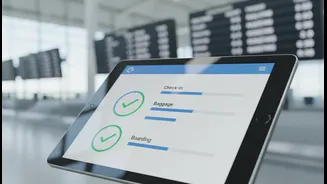
arrivals. The Australian Government has announced a $56.1 million plan to phase out the paper forms and modernise the arrival process at all international airports and seaports. The goal is to reduce paperwork, shorten queues, and improve data quality for security and biosecurity assessments. This move follows a successful pilot program that began in October 2024 with Qantas, involving over 450,000 passengers. The new system allows travellers to submit their customs and immigration information online before they even land.
Why Both Systems Still Coexist
The key reason for keeping paper cards during the transition is the 'phased' nature of the rollout. Rather than a single switch-off date, the ATD is being introduced gradually to ensure stability and avoid disruptions. The full national rollout is expected to take between 12 and 18 months, concluding around mid-2028. Until then, the digital option is only available to a limited number of travellers. As of July 2026, only eligible passengers on specific Qantas flights into Sydney, Melbourne, and Brisbane can use the ATD via the airline's app. For everyone else, the paper Incoming Passenger Card remains mandatory. This dual-system approach allows border agencies to test and refine the digital process while maintaining a reliable backup. Paper forms will also remain available for those who cannot access the digital version.
The Rollout Plan: What to Expect
The government has confirmed a timeline for the expansion. Following the current trials in Sydney, Melbourne, and Brisbane, the ATD pilot is set to expand to Perth and Adelaide by the end of 2026. After that, a wider rollout will begin, covering all international airports and eventually seaports over the next 12 to 18 months. Initially, the broader system will be accessible via a web-based form, with plans to integrate it into other airline apps in the future. This means for most of 2026, the vast majority of travellers on airlines other than Qantas, or those arriving at airports not yet part of the trial, will still need to complete the familiar orange paper card.
How to Prepare for Your Arrival
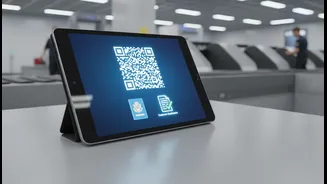
Given the phased approach, the best advice for travellers is to be prepared for either scenario. If you are flying with Qantas to a major east coast airport, look for an invitation within the Qantas app to complete the Australia Travel Declaration. This can typically be done up to 72 hours before your flight. You will receive a QR code that will be scanned by border officials upon arrival. However, even if you are eligible for the digital declaration, it's wise to have a pen in your carry-on luggage just in case. A cancelled or diverted flight could mean you need to revert to the paper form. All other travellers should expect to be handed a paper card during their flight and should complete it before landing. Regardless of the format, it is crucial to answer all biosecurity and customs questions truthfully to avoid significant penalties.