




The View From Above
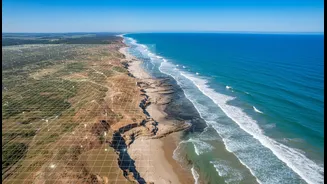
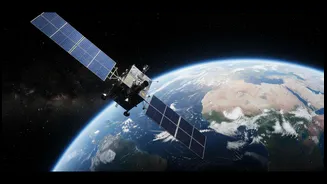
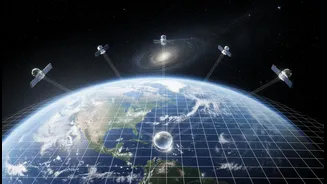
Satellites give us a perspective that is impossible from the ground. Earth observation technology can track large-scale environmental changes with incredible precision. For coastal areas, this means monitoring shoreline erosion, mapping changes in mangrove
forests, tracking sea-level rise, and identifying pollution plumes. This data is crucial for understanding the broad, systemic pressures on our coasts. It provides a vital, big-picture view that can inform policy and large-scale conservation efforts, offering measurable data on long-term trends.
The Wisdom from Within
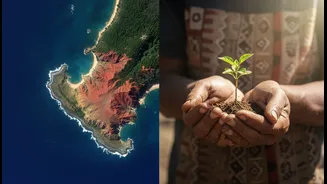
Indigenous coastal knowledge, often called Traditional Ecological Knowledge or Lived Knowledge, is a different yet equally powerful way of understanding the environment. It is a body of observations, practices, and beliefs passed down through generations of living in a specific place. This knowledge isn't just about the past; it's a living, breathing understanding of the connections between species, seasons, currents, and celestial cycles. It holds nuanced, long-term insights into ecosystem health, biodiversity, and sustainable resource management that scientific instruments alone can never capture.
A More Complete Picture
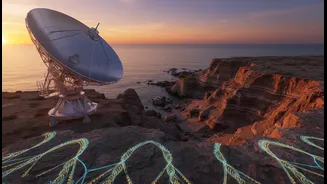
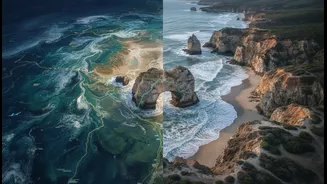
When these two knowledge systems are brought together, the result is far more than the sum of its parts. Satellite data might show that a shoreline is eroding, but Indigenous knowledge can explain why—perhaps pointing to the disappearance of a specific type of seagrass that elders remember, which once held the sand in place. In Alaska, the Indigenous Sentinels Network equips tribal communities to monitor their environment by combining traditional knowledge with scientific data, responding to changes like sea ice loss and declining wildlife. Similarly, in the Amazon, Indigenous groups use apps customized with their own ecological classifications to record observations, providing a richer dataset than science alone could generate. This braiding of knowledge creates a more complete, actionable understanding of environmental challenges.
The Question of Ownership
For too long, research involving Indigenous communities has been extractive. Scientists would arrive, gather knowledge and data, and leave, with little benefit flowing back to the community whose wisdom was taken. This has led to a global movement for Indigenous Data Sovereignty, which asserts the right of Indigenous peoples to control their own data, from its collection and interpretation to its use and sharing. It's a recognition that data is not just information; it is a cultural asset and a form of heritage. This framework challenges the old model where local knowledge was treated as a raw resource for Western science to exploit.
A New Model for Knowledge
Respecting data ownership is the crucial next step. It means moving from consultation to collaboration and consent. Principles like CARE (Collective Benefit, Authority to Control, Responsibility, and Ethics) provide a framework for this new relationship. It requires that research benefits the community, that the community has authority over how its knowledge is used, and that the entire process is ethical and responsible. This is not just about being fair; it leads to better science. When communities are true partners, they are more engaged, the data is richer, and the solutions developed are more effective and sustainable because they are grounded in the local context and priorities.