




More Than Just Nostalgia
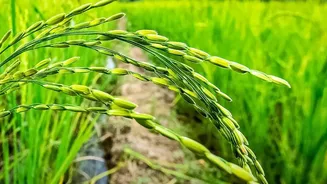
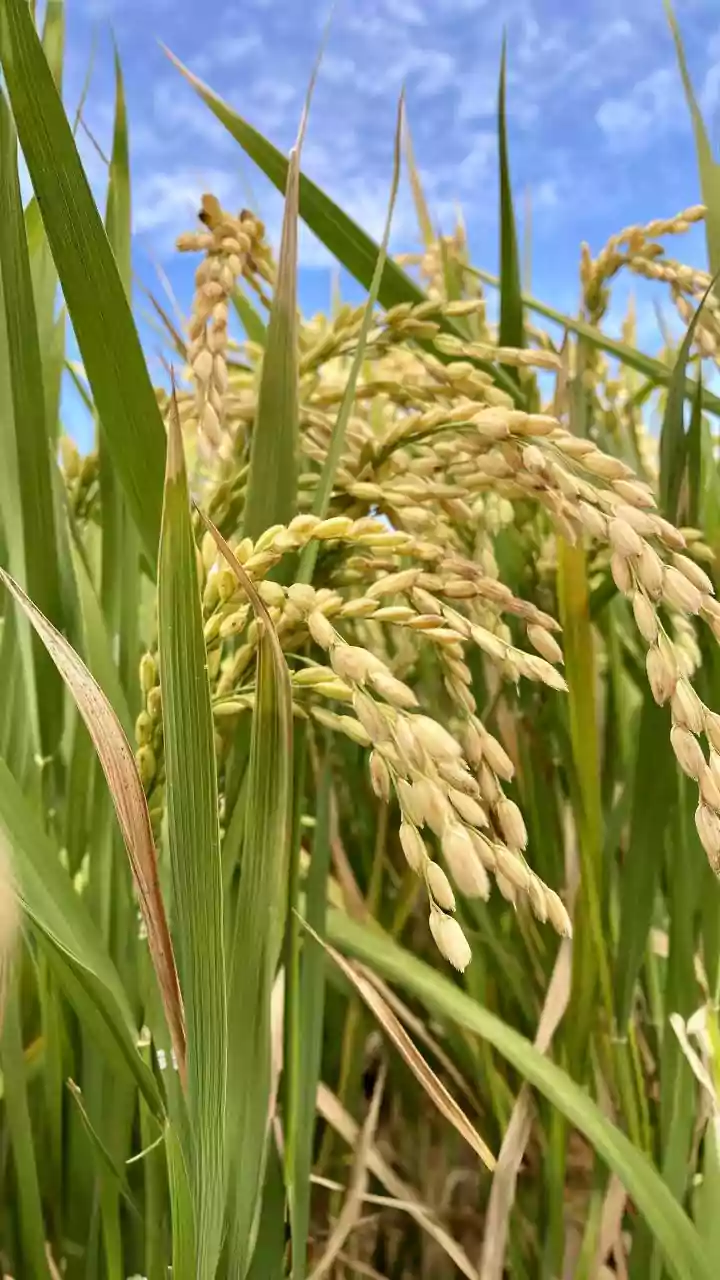
Once, India was home to over 100,000 unique rice varieties, each adapted to its specific region. The Green Revolution, while boosting food production, led to a focus on a handful of high-yielding hybrids, causing many of these indigenous treasures to fade
away. Today, a powerful comeback is underway, driven not by sentimentality alone, but by a modern confluence of health consciousness, culinary curiosity, and environmental pragmatism. Farmers, conservationists, chefs, and government bodies are collaborating to bring these grains back from the brink, recognising their immense value.
A Prescription for Health
A major driver of this revival is the growing awareness of the nutritional superiority of traditional rice. Unlike polished white rice, many heirloom varieties like red rice and black rice retain their bran, making them rich in fibre, antioxidants, vitamins, and minerals such as iron and zinc. Many of these traditional grains, such as Mappillai Samba and Navara rice, have a lower glycemic index, which helps in managing blood sugar levels and is beneficial for weight management. Modern nutritional science is now validating the traditional wisdom that associated specific rice varieties with strength, digestion, and overall well-being.
A Revolution in Flavour
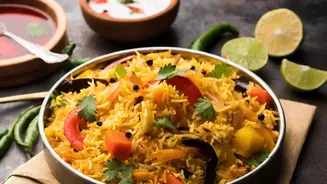
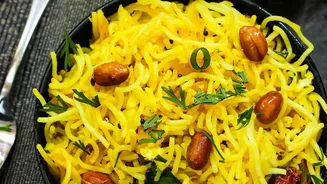
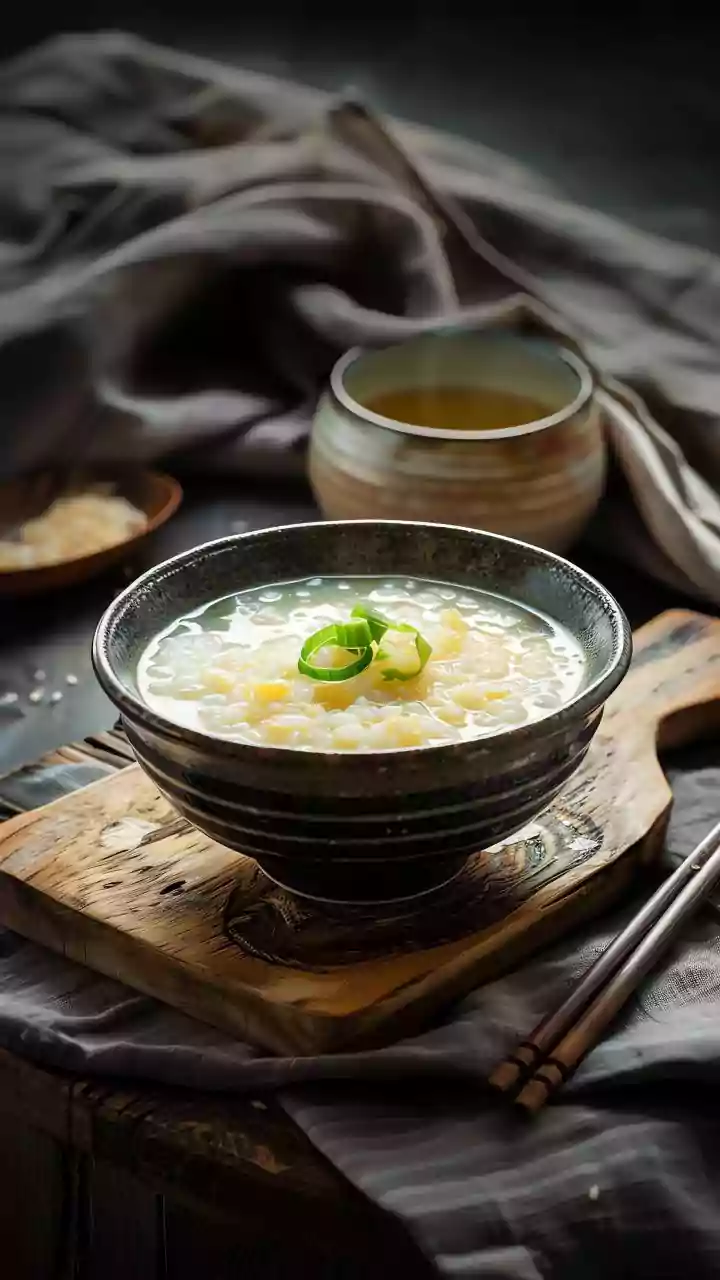
The culinary world is also championing this resurgence. Chefs and food lovers are moving beyond basmati to explore the unique sensory profiles of indigenous rice. Varieties like West Bengal's Gobindobhog, a small-grained aromatic rice, are prized for their buttery flavour and captivating scent, making them essential for dishes like payesh and khichuri. Similarly, Kalanamak, a fragrant variety from Uttar Pradesh believed to have been blessed by Lord Buddha, offers a distinct taste that is finding its way into gourmet kitchens. These rices are not just staples; they are ingredients that carry the story and terroir of their region, offering a depth of flavour that mass-produced grains cannot match.
Resilience in a Changing Climate
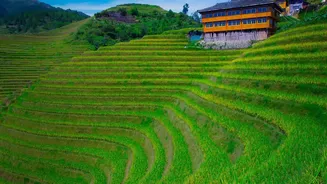
Perhaps the most critical reason for this comeback is climate resilience. Generations of farmers cultivated these varieties to withstand local environmental challenges. As climate change brings more frequent droughts, floods, and soil salinity, these heirloom seeds are being recognised as a vital genetic resource. Varieties like Pokkali from Kerala can tolerate saltwater intrusion, while others like Kullankar can survive drought conditions. These grains often require fewer chemical inputs and are naturally resistant to local pests, making them ideal for sustainable and organic farming. For many farmers facing unpredictable weather, returning to these ancestral seeds is becoming a lifeline.
Economic and Cultural Revival
The return of traditional rice is also creating new economic opportunities for farmers. Growing demand from conscious consumers allows farmers to fetch premium prices, often significantly higher than those for conventional varieties. Government support, such as the Geographical Indication (GI) tag for Kalanamak and Gobindobhog, helps protect their authenticity and boost market appeal. This revival is supported by a network of NGOs, farmer-led seed banks, and state initiatives like Tamil Nadu's Heritage Rice Mission, which all work to conserve and promote these grains. By cultivating these varieties, communities are not only securing their livelihoods but also preserving a vital part of India's agricultural and cultural heritage.